Honoring LGBTQ+ Voices, Histories, and Scholarship

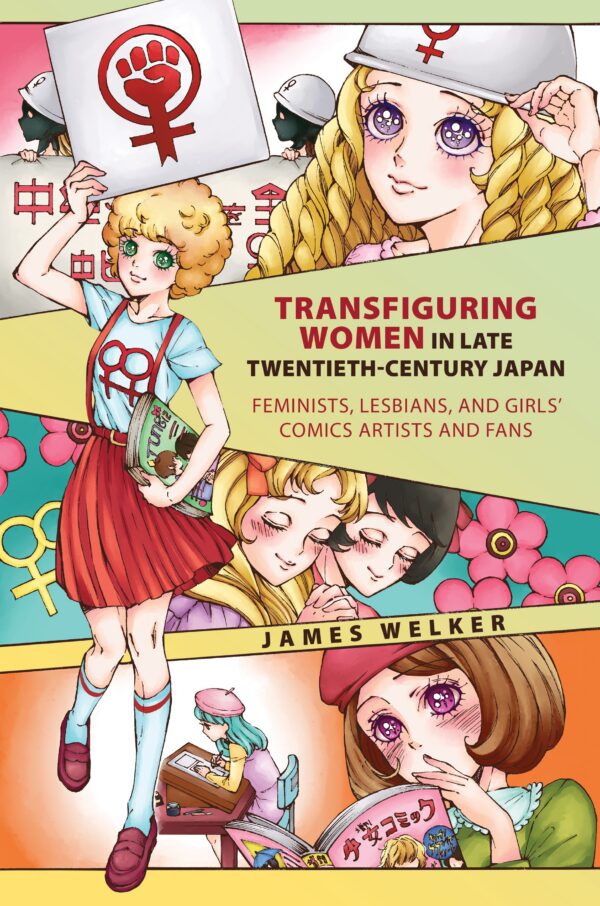
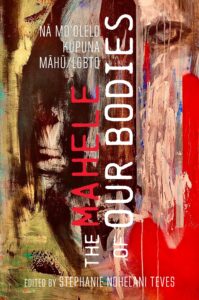
For LGBTQ+ Month 2026, we celebrate University of Hawaiʻi Press books that bring queer, māhū, and LGBTQ+ perspectives to histories, cultures, communities, and everyday life across Hawaiʻi, Asia, and the Pacific.
This curated collection highlights authors whose work deepens conversations about gender, sexuality, identity, media, culture, and social change.

Save 30% on selected titles with code PRIDE26 through July 31, 2026. Online orders only.

Celebrate AANHPI Heritage Month with Your Next Read

Celebrate Asian American, Native Hawaiian, and Pacific Islander Heritage Month with a curated collection of groundbreaking scholarship, powerful storytelling, and vibrant cultural histories from University of Hawai‘i Press. From literature and history to foodways, politics, art, and Indigenous knowledge, these featured titles honor the voices, experiences, and legacies that continue to shape our communities.

For a limited time, enjoy 30% off all featured titles with discount code AANHP26 through July 31, 2026.
Valid for online orders only.

Remembering Legacies of Incarceration in Hawai‘i

See the special offer at the bottom of this post for a 30% discount!

Over the past couple of months, Kelli Y. Nakamura, professor of history at Kapiʻolani Community College, has brought new depth, urgency, and visibility to the history explored in her new book, Legacies of Incarceration: The World War II Experiences of Hawai‘i’s Japanese. Through a series of talks, interviews, and public programs, Dr. Nakamura has traced how Japanese and Japanese American incarceration in Hawai‘i unfolded across multiple islands, institutions, and generations, and why this history continues to matter today.

Legacies of Incarceration: The World War II Experience of Hawai‘i’s JapaneseA central theme across these events is the distinctiveness of Japanese incarceration experience in Hawai‘i. Unlike the mass family incarceration that defined camps in the continental United States, Hawai‘i operated under martial law and relied on a smaller, selective system that targeted roughly 2,000 Japanese community leaders. On November 5, during the Tadaima virtual program hosted by Japanese American Memorial Pilgrimages, Nakamura emphasized how incarceration sites were scattered throughout the islands and included military camps, jails, plantations, courthouses, and community facilities. Many of these places, such as Sand Island, Honouliuli, and neighbor island jails, remain poorly marked, deteriorating, or erased, making community-based research and pilgrimages essential tools for recovery and remembrance.

That emphasis on preservation and public memory continued on November 15 at From Silence to Remembrance: Honoring Hawai‘i’s WWII Incarcerees, an event hosted by the Japanese Cultural Center of Hawai‘i. Joining Sheila Chun and Joanne Watanabe Ersig, Nakamura highlighted how Hawai‘i’s incarceration system involved constant movement between camps, wide variations in living conditions, and profound economic and psychological losses.

In a December 4 interview with Densho content director Brian Niiya, Nakamura reflected on the long journey behind Legacies of Incarceration, a project nearly two decades in the making. She explained how Hawai‘i’s incarceration history has often been treated as a footnote to the continental United States narrative and how her book reframes that perspective by centering local experiences shaped by plantation labor, surveillance, and martial law. Nakamura also spoke candidly about writing the book, describing the work as an act of creation amid loss that deepened her empathy for people whose lives, families, and futures were shattered by incarceration. She noted key areas still needing research, particularly the experiences of women, and stressed the book’s contemporary relevance in an era marked by racial profiling, fear of immigrants, and suspicion based on race or perceived foreignness.

These themes came together powerfully on December 6 at the King Kamehameha V Judiciary History Center, marking both the 10th anniversary of Honouliuli’s designation as a National Historic Site and the 80th anniversary of the end of World War II. Speaking alongside the opening of the exhibition Relics of War: Justice, Culture, and Community in Times of Conflict, Nakamura situated Hawai‘i’s incarceration experience within global conflict, plantation history, and the imposition of martial law that suspended civil authority and seized ʻIolani Palace, an injustice to Native Hawaiians. She detailed how arrests were often based on leadership roles rather than evidence of disloyalty, and how wartime experiences diverged sharply, with some Japanese Americans serving in celebrated military units while others were imprisoned, stigmatized, or silenced.

The November 15 and December 6 events were part of the broader 10th anniversary commemoration of Honouliuli National Historic Site, which concludes with a finale art exhibition this month. The exhibit features works by more than twenty local artists who turn history into art inspired by Honouliuli Internment Camp. Also on display are artifacts from the museum collection, including items on loan from family descendants of those who were incarcerated at the Honouliuli site. This one-of-a-kind exhibition is on view at the Downtown Art Center in Honolulu from January 2 to January 17.

Taken together, Dr. Nakamura’s talks, interviews, and public scholarship form a sustained call to remember, contextualize, and engage. They remind us that Hawai‘i’s incarceration history is not peripheral, finished, or distant, but deeply embedded in the landscape, shaped by local histories, and essential to understanding justice, memory, and responsibility today.

Order using coupon code LEGACIES30 for 30% off Legacies of Incarceration and the related titles listed below. The discount code is valid only through January 31, 2026.

Inclusion: How Hawai‘i Protected Japanese Americans from Mass Internment Bayonets in Paradise: Martial Law in Hawai‘i during World War II Life Behind Barbed Wire: The World War II Internment Memoirs of a Hawaii Issei


Legacies of Incarceration: The World War II Experiences of Hawai‘i’s Japanese, by Kelli Y. Nakamura

Inclusion: How Hawai‘i Protected Japanese Americans from Mass Internment, Transformed Itself, and Changed America, by Tom Coffman

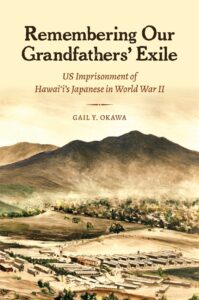
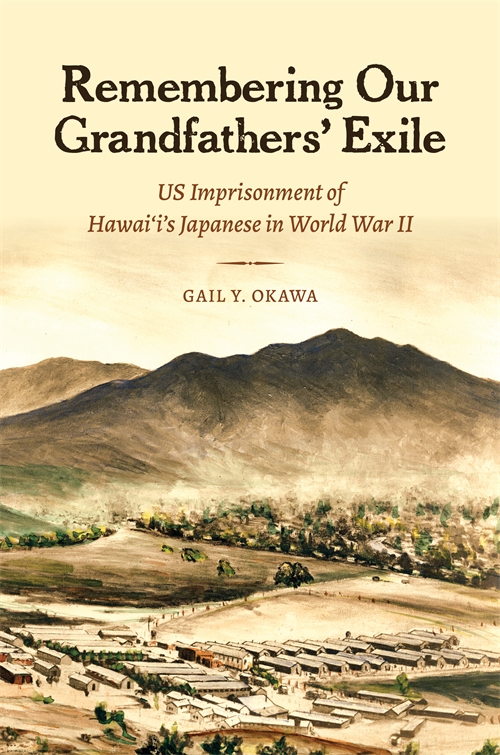
Remembering Our Grandfathers’ Exile: US Imprisonment of Hawai‘i’s Japanese in World War II, by Gail Y. Okawa

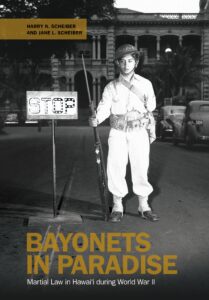
Bayonets in Paradise: Martial Law in Hawai‘i during World War II, by Harry N. Scheiber and Jane L. Scheiber

Life Behind Barbed Wire: The World War II Internment Memoirs of a Hawaii Issei, by Yasutaro Soga, translated by Kihei Hirai, with an introduction by Tetsuden Kashima


November 2025: A Trio of Book Exhibits

November is our busiest month for conference exhibits and this year is no exception. Find our staff at these in-person events from Boston to New Orleans to San Juan!

November  22 to 25, Boston Hynes Convention Center | Booth #625
(Order these and other selected titles at 30% off with coupon code AAR25!)
Literature for Little Bodhisattvas: Making Buddhist Families in Modern Taiwan
   
 
November 21 to 23, New Orleans Ernest N. Morial Convention Center | Booth #1214
(Order these and other selected titles at 30% off with coupon code ACTFL25!)
 
 
November 20 to 22, Puerto Rico Convention Center, San Juan | Booth #105
(Order these and other selected titles at 30% off with coupon code AMST25!)
Legacies of Incarceration: The World War II Experience of Hawai‘i’s Japanese

Announcing the UH Press 75th Anniversary Book Talk Series

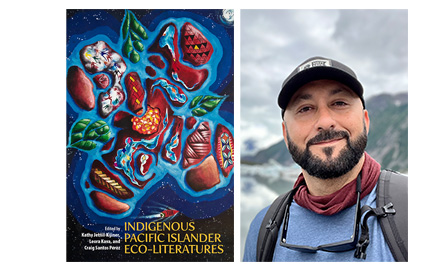
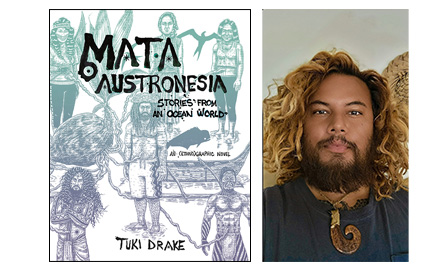
Tdecorative seal "75th anniversary" and UH Press logoo mark 75 years of publishing, we are pleased to partner with UH Mānoa Library to present a series of author talks on recently published titles. The talks are held in person at Hamilton Library, Room 306, starting at 4:00 pm, as well as offered virtually. The fall lineup features five authors whose works focus on Hawai‘i and the Pacific. Opening the series on Thursday, Sept. 22 is historian J. Susan Corley and forthcoming authors include Marie Alohalani Brown, Tom Coffman, Craig Santos Perez, and Tuki Drake. The schedule listings with more information, author bios, and links to register for Zoom are on the library events calendar.

Jointly sponsored by University of Hawai‘i Press and UH Mānoa Hamilton Library, the series has plans for spring to highlight some of our Asian studies titles.

FALL 2022 SCHEDULE:

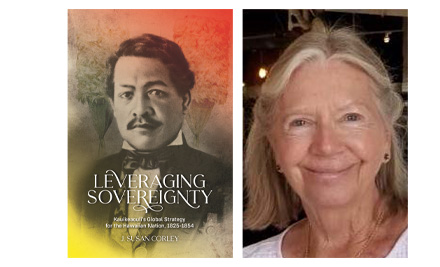
Leveraging soverigntyThursday, September 22
J. Susan Corley
Leveraging Sovereignty: Kauikeaouli’s Global Strategy for the Hawaiian Nation, 1825–1854
https://uhmlibrary.libcal.com/event/9696567

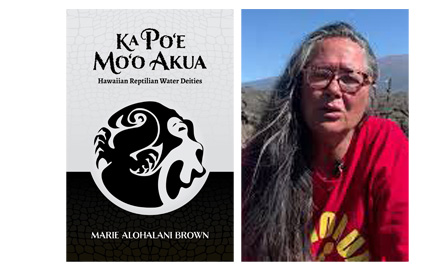
ka poe moo akua book coverWednesday, September 28
Marie Alohalani Brown
Ka Po‘e Mo‘o Akua: Hawaiian Reptilian Water Deities
https://uhmlibrary.libcal.com/event/9697560

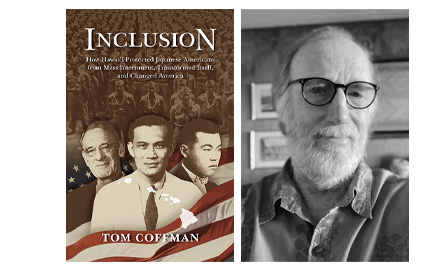
inclusion book coverWednesday, October 5
Tom Coffman
Inclusion: How Hawai‘i Protected Japanese Americans from Mass Internment, Transformed Itself, and Changed America
https://uhmlibrary.libcal.com/event/9697068
Craig Santos Perez Indigenous Pacific Islander Eco-LiteraturesWednesday, October 19
Craig Santos Perez
Indigenous Pacific Islander Eco-Literatures
https://uhmlibrary.libcal.com/event/9697737
Mata Austronesia: Stories from an Ocean WorldThursday, October 27
Tuki Drake
Mata Austronesia: Stories from an Ocean World
https://uhmlibrary.libcal.com/event/9701613

≈ ≈ ≈ ≈ ≈

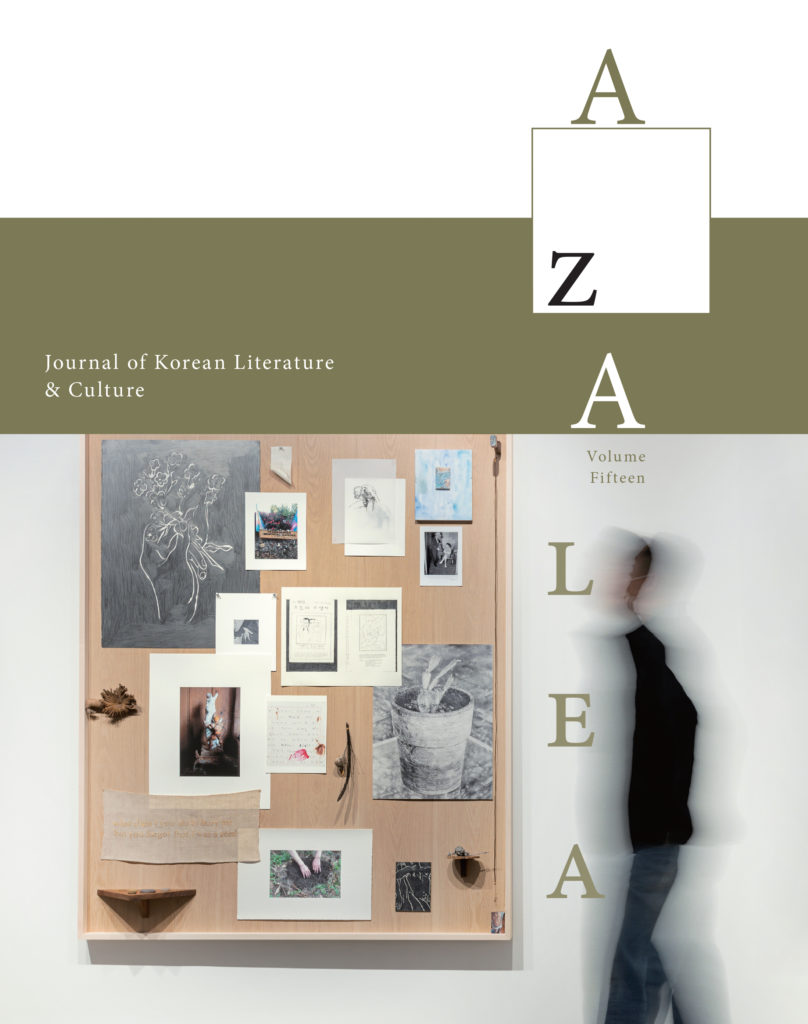
Special Features: Korean LGBTQ+ Literature, Remembering Linguists Robert Andrew Blust and Thomas Edward Dutton and more

Azalea

Volume 15 (2022)

From the editor Young-Jun Lee:

A century’s worth of change looks quite remarkable in Korean literature. Today’s young Koreans cannot read the same newspapers read by their grandparents’ generation. In less than a hundred years, the national written language has shifted from Chinese characters to Korean hangul, then briefly to Japanese as enforced under colonial rule, and then to the modern Korean language that we know today. During this process, remarkable sociocultural transformations dominated daily life. Over the first half of the 20th century, Koreans endured enormous political shifts most notably marked by colonization, the Korean War, and the ensuing divide of the country into separate political nations. Along the way, Korean literature registered these upheavals and fluctuations.

Notably, the literature of totalizing grand narrative, which concerned itself with the trajectory of nation-building, persisted in Korea until the 1980s. Ever since the end of the military dictatorship and the establishment of a civil government in the 1990s, however, that literature began to shift its focus to the lives of women. Now, those long ignored and marginalized—including queer women, as well as other queer people such as those who are non-binary— have also begun to emerge more strongly as published authors, even as they have been increasingly centered as subjects of literary narratives. The ongoing impact of this inclusive, expansionary shift
can be seen directly in AZALEA’s decision to focus on LGBTQ+ literature for its fifteenth issue.

Find more poetry, fiction, graphic shorts, and images at Project MUSE.

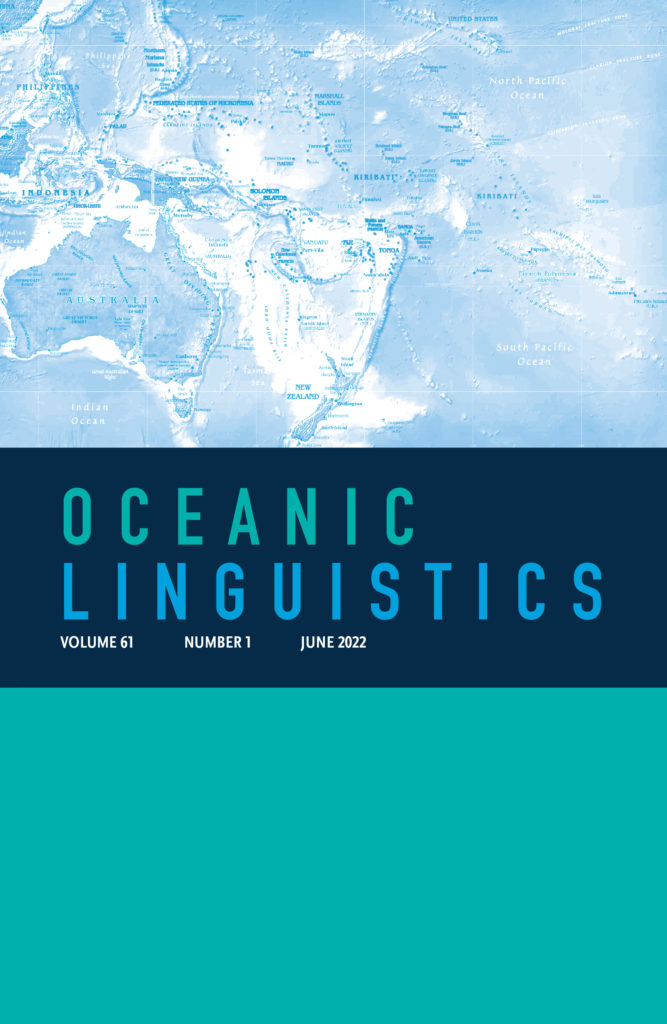
Oceanic Linguistics

Volume 61, Number 1 (2022)

The new issue includes the following articles and reviews:

The Place of Space in Oceanic Linguistics
Leah Pappas and Alexander Mawyer

Semantics and Pragmatics of Voice in Central Malagasy Oral Narratives
Penelope Howe

On the Nature of Proto-Oceanic *o in Southern Vanuatu (and Beyond)
John Lynch

Rare, but Real: Native Nasal Clusters in Northern Philippine Languages
Robert Blust

The Greater West Bomberai Language Family
Timothy Usher and Antoinette Schapper

The Phonology and Typological Position of Waima’a Consonants
Kirsten Culhane

Find more research articles, squibs, and reviews at Project MUSE.

New Journal Issues: Aloha Shirt Aesthetics, Patterns of Mortuary Practice in Vanuatu, Taiwan Sugar in the 1600s + More

Asian Perspectives

Volume 61, Number 1 (2022)

The new issue includes the following articles and reviews:

Lakheen-Jo-Daro, an Indus Civilization Settlement at Sukkur
in Upper Sindh (Pakistan): A Scrap Copper Hoard and
Human Figurine from a Dated Context

Paolo Biagi and Massimo Vidale

The Hamin Mangha Site: Mass Deaths and Abandonment
of a Late Neolithic Settlement in Northeastern China

Yawei Zhou, Xiaohui Niu, Ping Ji, Yonggang Zhu, Hong Zhu, and
Meng Zhang

Early Metal Age Settlement at the Site of Palemba, Kalumpang,
Karama Valley, West Sulawesi
Anggrreani

Patterns of Mortuary Practice over Millennia in Southern Vanuatu,
South Melanesia

Frédérique Valentin, Wanda Zinger, Alison Fenwick, Stuart Bedford,
James Flexner, Edson Willie, and Takaronga Kuautonga

Find more research articles and reviews at Project MUSE.

Biography

Volume 44, Issues 2 & 3 (2021)

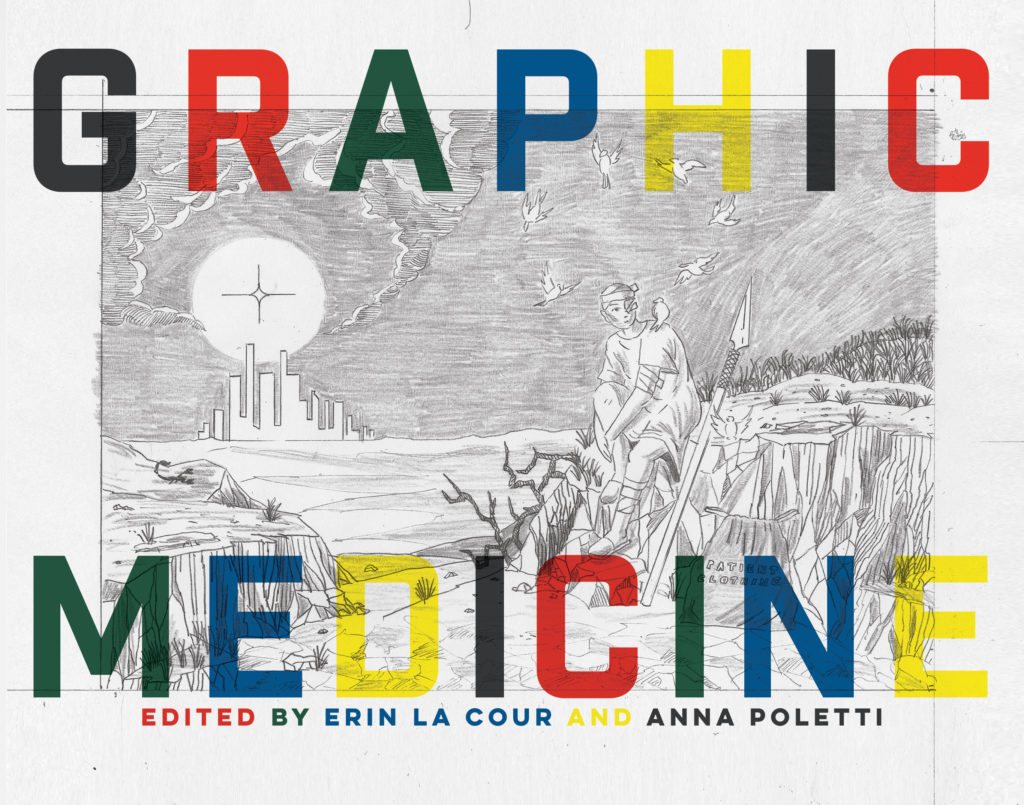
Special Double Issue: Graphic Medicine

Graphic Medicine’s Possible Futures: Reconsidering Poetics and Reading
Erin La Cour and Anna Poletti

Conflict or Compromise?: An Imagined Conversation
with John Hicklenton and Lindsay Cooper about
Living with Multiple Sclerosis

John Miers

Out of Sync: Chronic Illness, Time, and Comics Memoir
Jared Gardner

Face as Landscape: Refiguring Illness, Disability,
and Disorders in David B.’s Epileptic

Erin La Cour

Graphic Confessions and the Vulnerability Hangover
from Hell

Safdar Ahmed

Drawn to History: Healing, Dementia, and the Armenian
Genocide in the Intertextual Collage of Aliceheimer’s

Crystal Yin Lie

Find more at Project MUSE.

Biography

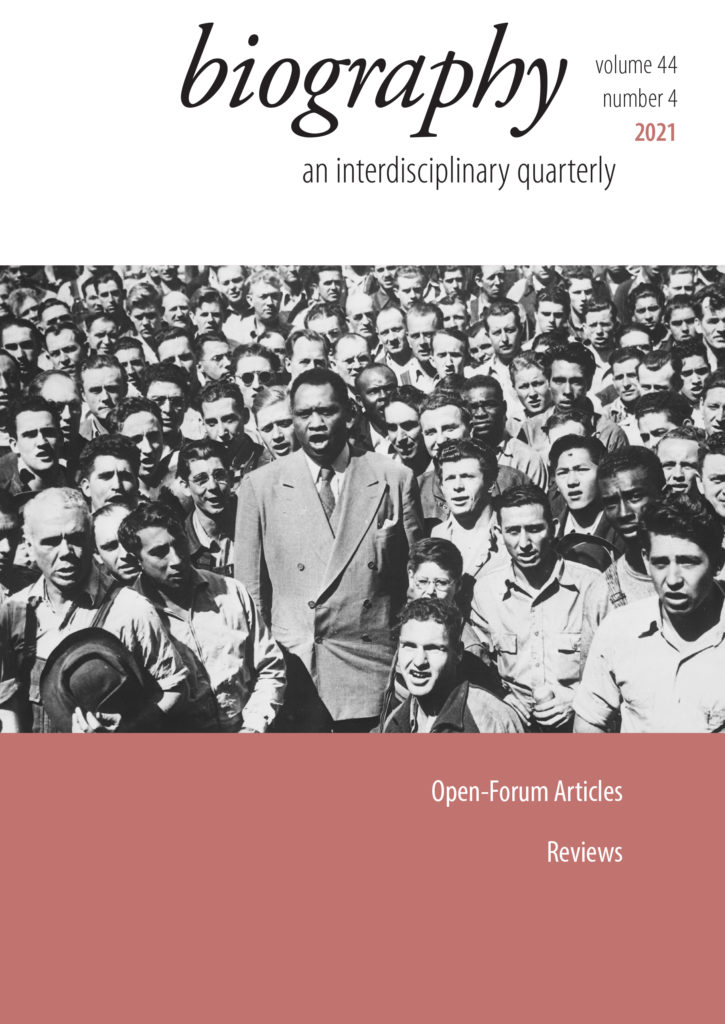
Volume 44, Issue 4 (2021)

Open Forum Articles
Reviews

Editor Craig Howes embraces this volume as he explains:
“The latest issue of Biography qualifies as special because of its ordinariness. After a four-installment run featuring two special issues, an inaugural Forum, and the Annual Bibliography and International Year in Review, we now return to our regularly scheduled programming. Articles and book reviews—that’s all!
But the table of contents for this issue speaks to what has distinguished Biography for decades as a quarterly. First, the articles. Their geographic, historic, linguistic, and generic range is in keeping with our international and interdisciplinary profile. American celebrity biographies and philosophy, twentieth-century Indian regional autobiography, modernist Austrian psychoanalytic biography, post-WWII German-Romanian autofiction, contemporary Palestinian auto/biographical texts—our pages map out and tell the stories of the field.”

Find more articles and reviews at Project MUSE.

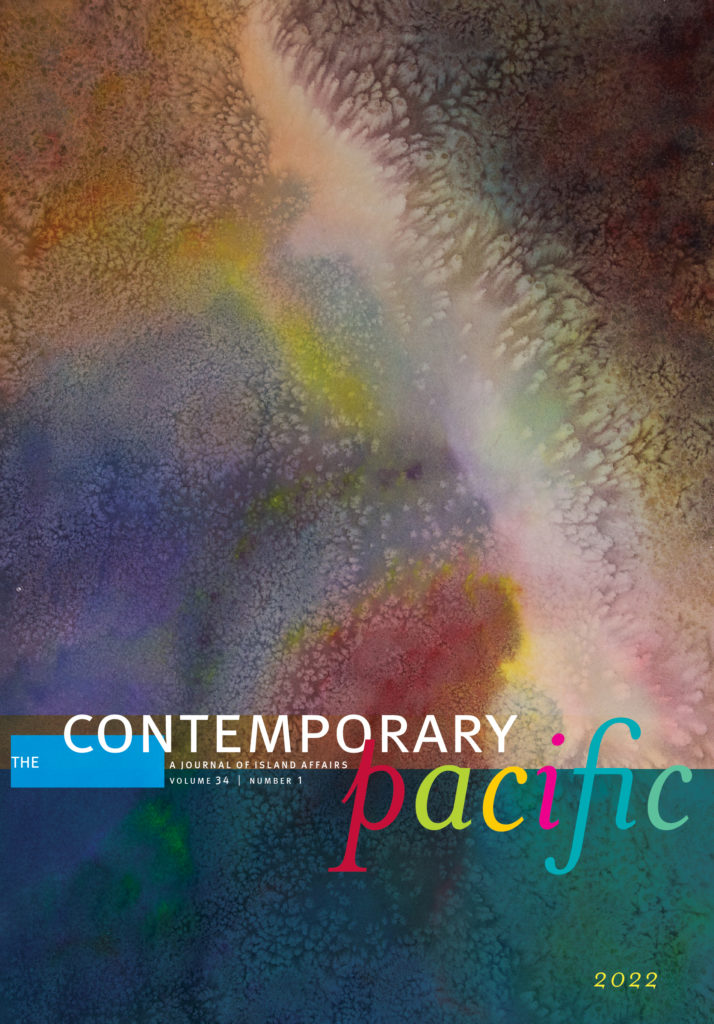
The Contemporary Pacific

Volume 34, Issue 1 (2022)

The new issue includes the following articles, dialogues, political, media, and book reviews.

One Salt Water: The Storied Work of Trans-Indigenous Decolonial Imagining with West Papua
Bonnie Etherington

Making Sartorial Sense of Empire: Contested Meanings
of Aloha Shirt Aesthetics

Christen T Sasaki

The Compensation Page: News Narratives of Public Kinship in Papua New Guinea Print Journalism
Ryan Schram

“We Are So Happy EPF Came”: Transformations of Gender in Port Moresby Schools
Ceridwen Spark and Martha Macintyre

Pacific People Navigating the Sacred Vā to Frame Relational Care: A Conversation between Friends across Space and Time
Silia Pa‘usisi Finau, Mele Katea Paea, and Martyn Reynolds

Find more articles, dialogues, political, media, and book reviews at Project MUSE.

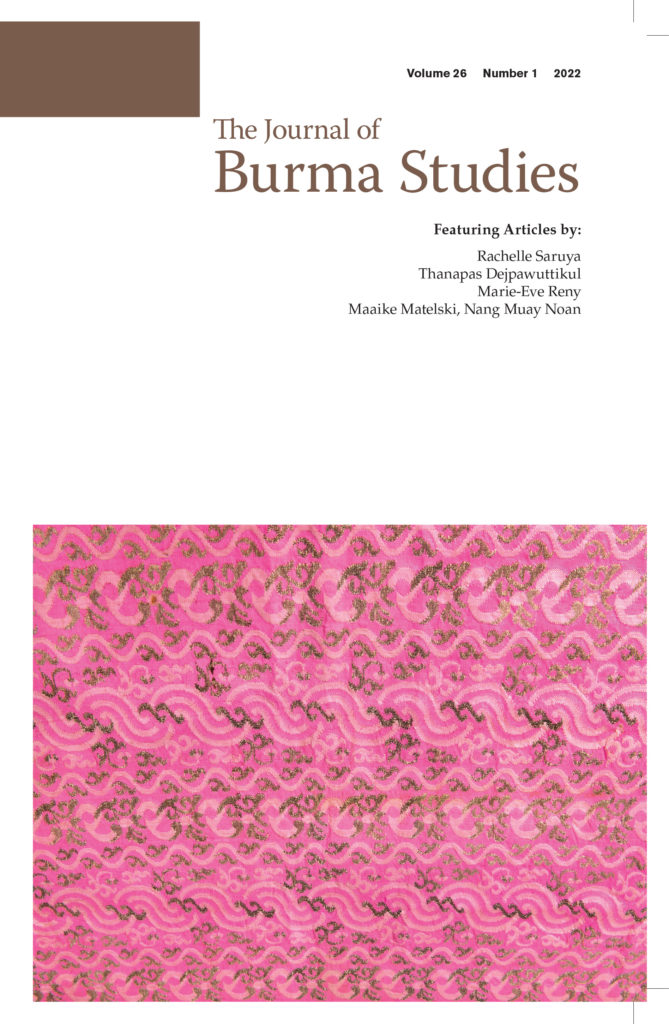
The Journal of Burma Studies

Volume 26, Number 1 (2022)

Ritual and Play in Buddhist Nun-Making: Girlhood,
Nunhood, and the Shaping of the “Little Teacher” in
Today’s Myanmar

Rachelle Saruya

From Archenemy of the Nation to the Intimate
Other: Prince Damrong Rajanubhab’s
Journey
through Burma
and the Colonial Ecumene
Thanapas Dejpawuttikul


Military Rule with a Weak Army: Myanmar’s
Late Expansion

Marie-Eve Reny


Grassroots Roles and Leadership Aspirations:
The Experiences of Young Ethnic Women in
Myanmar Civil Society Organizations
Maaike Matelski and Nang Muay Noan

Find more captivating articles at Project MUSE.

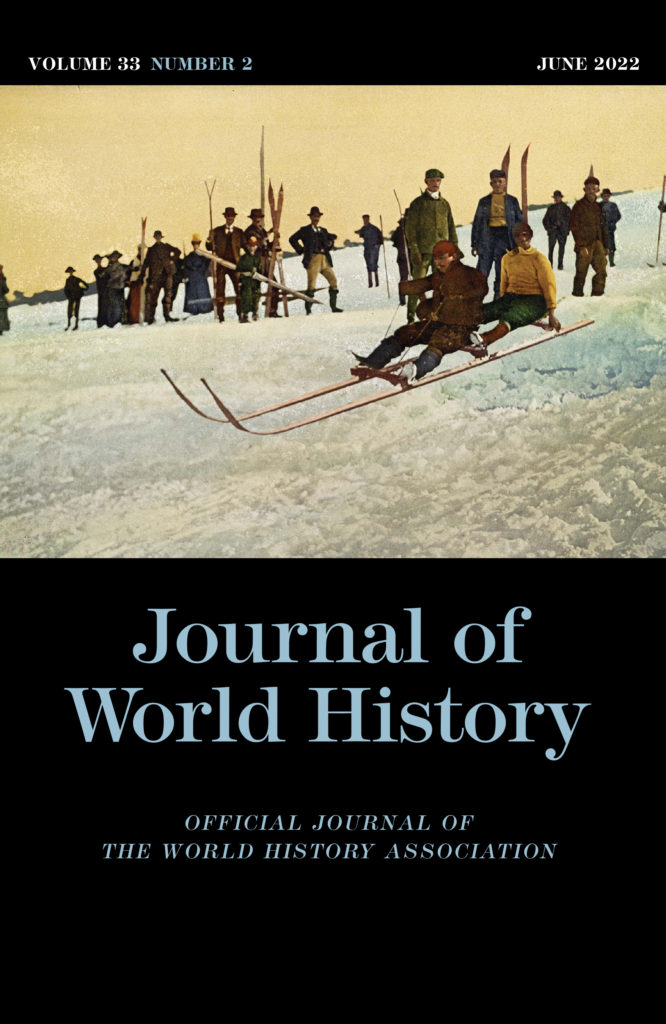
Journal of World History

Volume 33, Number 2 (June 2022)

The “Material Turn” in World and Global History
Giorgio Riello

The Christian Seas of Kyushu: How Local Maritime Networks Facilitated the Introduction of Catholicism to Japan in the Mid-Sixteenth Century
Erik Glowark

From the Atlantic to the Manchu: Taiwan Sugar and the Early Modern World, 1630s–1720s
Guanmian Xu

The Myth of Immobility: Women and Travel in the British Imperial Indian Ocean
Scott Reese

Religion and the Contemporary Phase of Globalization: Insights from a Study of John Paul II’s World Youth Days
Charles Mercier

Find more research articles and reviews at Project MUSE.


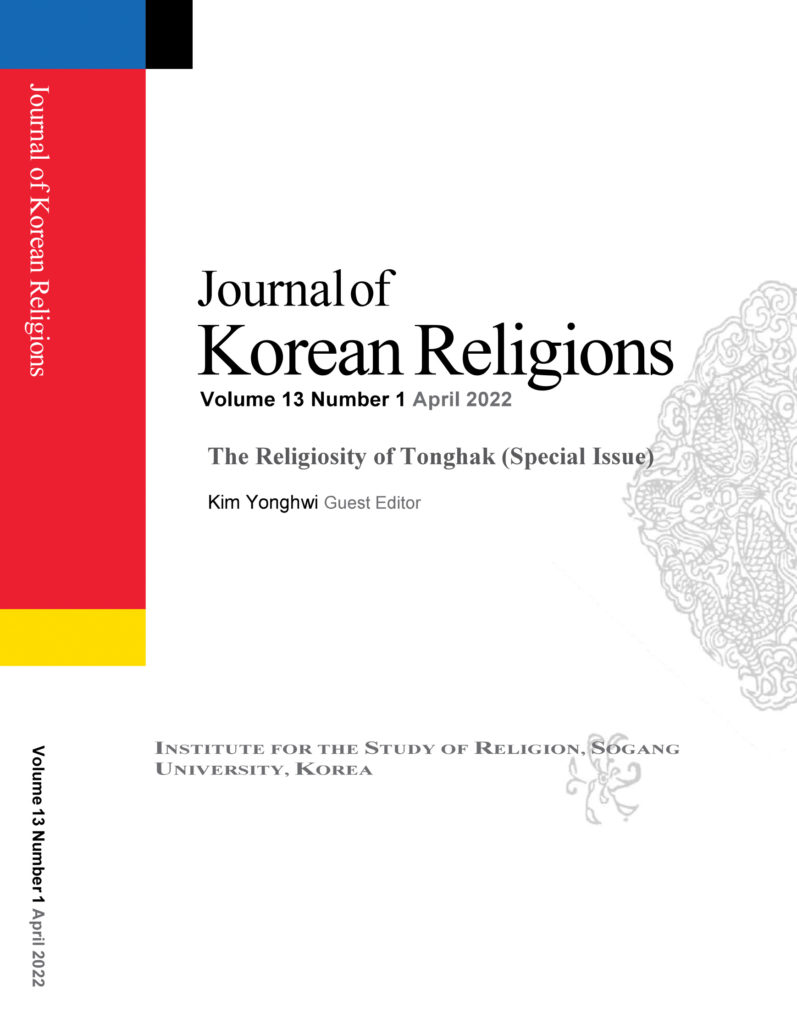
New Journal Special Issues: The Religiosity of Tonghak, Vietnamese Linguistics + More

Oregon beautiful picture

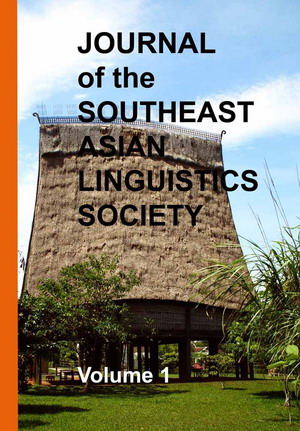
Journal of the Southeast Asian Linguistic Society

Special Issue:

Vietnamese Linguistics: State of the Field

The new issue features the following introduction by Trang Phan, John Phan, and Mark J. Alves

The current issue is the result of a workshop held at the Harvard Yenching Institute in April of 2021, entitled Vietnamese Linguistics, Typology and Language Universals, and which featured nineteen linguists working on diverse aspects of the Vietnamese language, ranging from semantics to historical phonology. Our purpose in gathering was to take stock of the great leaps in Vietnamese linguistic research that have occurred over the past few decades, to bring together cutting-edge research from each subdiscipline, and to begin a new collaborative dialogue on Vietnamese linguistics, typology, and language universals. Most of all, it was our belief that the time had come to reconsider Vietnamese linguistics as a unified field of inquiry. As a result, a new academic organization was founded: the International Society of Vietnamese Linguistics.
In the past twenty years, research into the Vietnamese language has advanced exponentially, in tandem with developments in our understanding of syntax, semantics, phonetics, and phonology—both on the synchronic and diachronic levels. Specific work on the Vietnamese language now informs and even leads broader linguistic inquiry in a number of unprecedented ways. These new developments invite a concentration of state-the-field research into a single volume, one that will serve not only to summarize current issues in each subdiscipline of Vietnamese linguistics, but also to initiate a longer, more collaborative conversation about the Vietnamese language.
Our goals in this special issue are thus twofold: first, we seek to provide a snapshot of current research into Vietnamese syntax, semantics, phonology, and phonetics, from both the historical and synchronic points of view, that may serve as a resource for linguists interested in exploring our current understanding of the Vietnamese language. Second, we hope that this issue will also serve as an invitation to all linguists working on the Vietnamese language or related languages to contribute to a broader, more cosmopolitan discussion—one in which discoveries of one subdiscipline may serve to inform or enlighten another.


Find more articles at eVols.

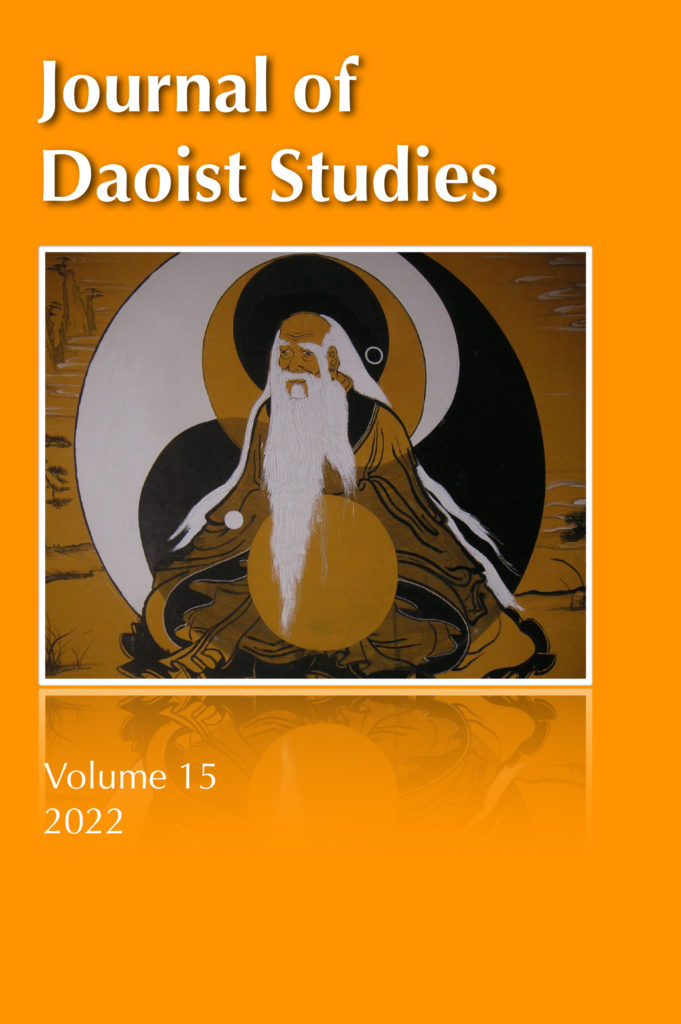
New Journal Issues: Water as a Symbol of the Great Dao, #KeepOurLanguagesStrong + More

cover image


Journal of the Southeast Asian Linguistics Society (JSEALS)

Papers from the 30th Conference of the Southeast Asian Linguistics Society: Special Publication (2021)

The new issue is introduced by Editor in Chief Mark Alves, who states:

The volume contains 21 papers in total: five papers on historical linguistics, eleven papers on syntax and/or morphology, and five papers on phonetics/phonology. The languages covered in this volume are spoken in throughout the greater Southeast Asian region: Mainland Southeast Asia, Insular Southeast Asia, Southern China, and the Indian Subcontinent. The papers range from detailed descriptions of linguistic aspects of understudied languages to probing questions related to multiple groups of languages in the region.

Find more research articles and reviews at eVols.

Language Documentation & Conservation

New Journal Special Issues: We Are Maunakea, Contemporary Japanese Theatre + Digital Methods, Empire Histories

cover image

Asian Theatre Journal

Volume 38, Number 1, (2021)

From the Editor Siyuan Liu:

This issue starts with Carol Fisher Sorgenfrei’s appreciation of Leonard Pronko (1927–2019), noted kabuki scholar and teacher who passed away late 2019. Building on her profile of Pronko for Asian Theatre Journal’s “founders of the fields” series (28: 2, 2011), Sorgenfrei offers a touching personal profile of her former professor as an extraordinary human being.
As evidence to the flourishing field of Japanese theatre studies pioneered by Pronko and his peers, this issue continues with a special section on contemporary Japanese theatre with a combination of articles, reports, a translation, and a performance review essay.

cover image

biography

Volume 43, Number 3 (2020)


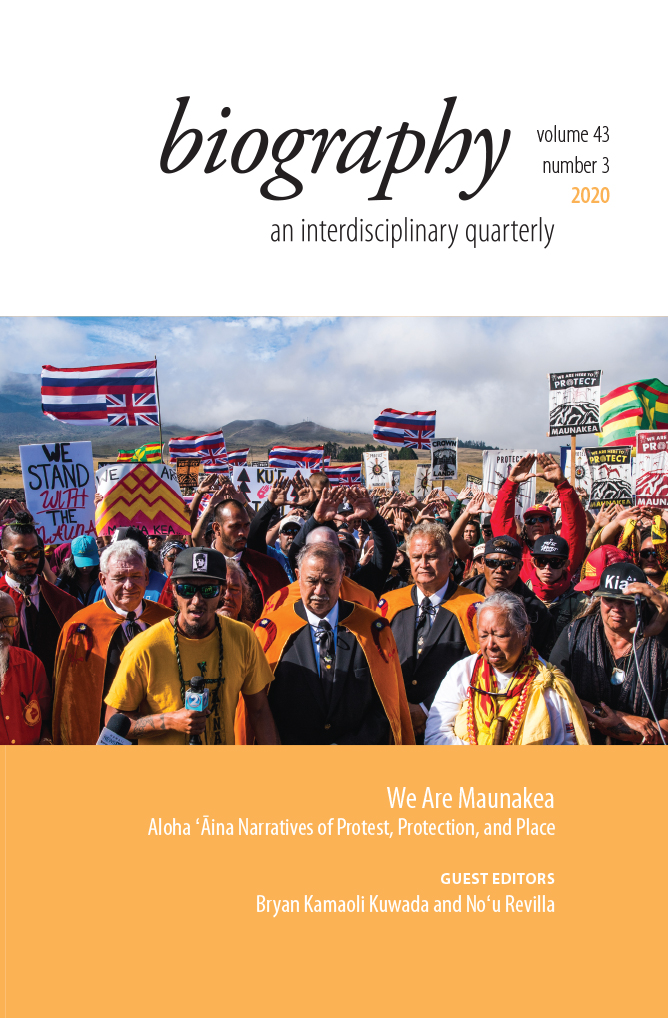
We Are Maunakea: Aloha ʻĀina Narratives of Protest, Protection, and Place
Bryan Kamaoli Kuwada and Noʻu Revilla

From the guest editors’ introduction:

In the summer of 2019, kiaʻi (protectors) gathered at Puʻuhonua o Puʻuhuluhulu to defend Maunakea, a sacred mountain, against desecration by the construction of the Thirty Meter Telescope (TMT). Thousands gathered at Ala Hulu Kupuna, or Mauna Kea Access Road. Daily protocols were led by cultural practitioners and long-time protectors of Maunakea, intergenerational Native Hawaiian leadership was developed and empowered on Hawaiian terms, a community kitchen was organized, Puʻuhuluhulu University was established as an actual Hawaiian place of learning, and a collective commitment to ʻāina and kapu aloha rooted all who arrived and all who continue to stay in this movement.
The 2019 stand was also an unprecedented opportunity to witness the battle of narratives, as mainstream media and highly paid public relations firms were outmaneuvered by Kanaka- and ally-authored life writing. This special issue features first-hand accounts, academic reflections, creative works, photography, and interviews with kiaʻi from the 2019 front lines and members of the media team.

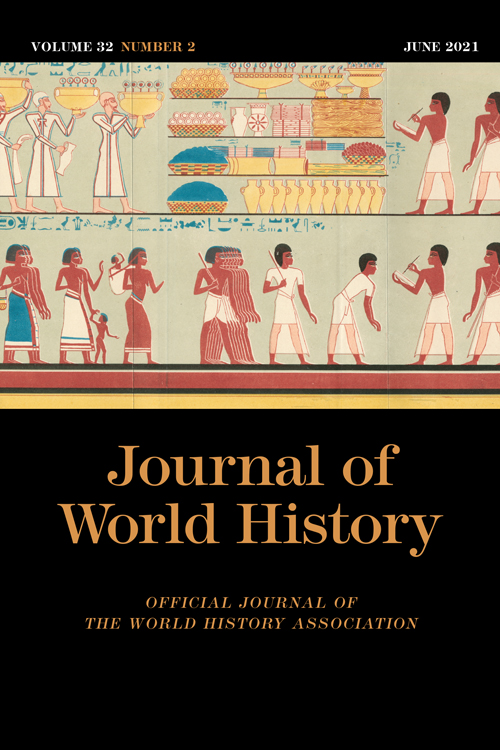
Journal of World History

Volume 32, Number 2 (2021)

Special Issue: Digital Methods, Empire Histories

Introduction from Guest Editor Antoinette Burton reads:

The technological evangelism of much of anglophone digital humanities discourse should sit uneasily with empire historians, who know what languages of discovery and “new frontiers” have meant in the context of world history, especially where data collection is concerned. To be sure, digitization has made myriad colonial archives, official and unofficial, available via open access platforms. This means that vast stores of knowledge are now at our fingertips—a proximity and immediacy that has reshaped the lived experience of archival research for many scholars, in this case bringing the imperial world not just closer to home but into the hands of anyone who has access to a cellphone. And the revolution in digital tools in the last twenty-five years has given rise to equally vast possibilities for gathering and visualizing evidence as well as for scaling and interpreting data: for worlding, mostly by aggregation and consolidation, what we aim to know about the kinds of colonial pasts that are available and capturable via text and image. Yet, this information empire is not exactly new. Digitization most often reassembles archival collections proper, sometimes remixing them with print and visual culture and typically organizing them through mechanisms and selection processes that are more or less visible depending on the commitment to transparency of the conglomerator. In some cases, those conglomerators are private individuals or government entities; in others, corporate sponsors; in still others, community-based activists. Inevitably perhaps, today’s digital imperial “data” are actually, more accurately, digitally transformed imperial sources. And for colonial subjects, as for the enslaved, data has more often than not meant terror at the scene of the crime.

AAAS Virtual Book Fair

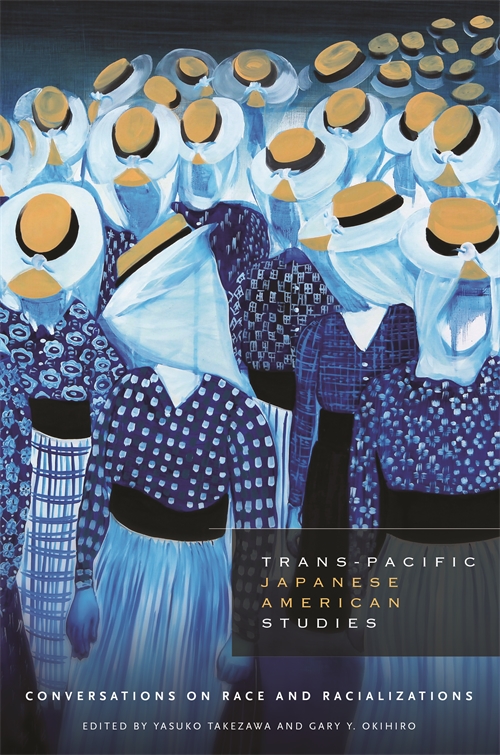
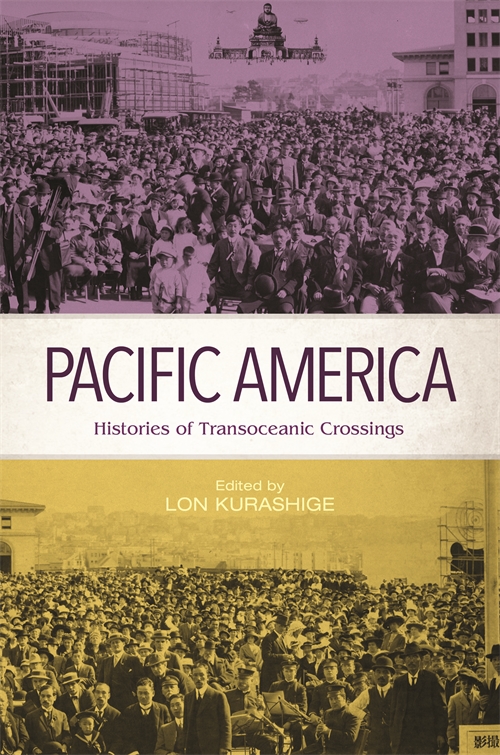
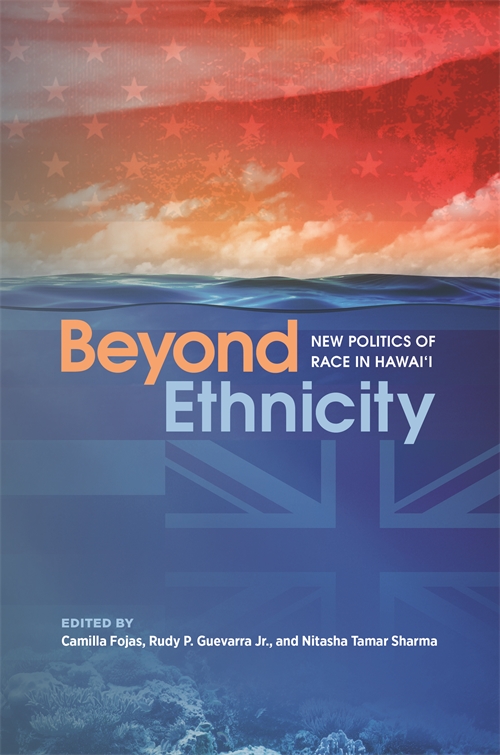
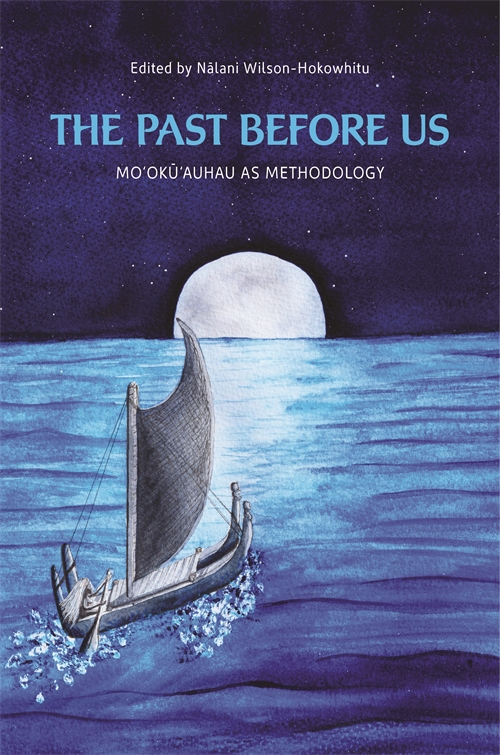
We are pleased to participate in the inaugural AAAS Virtual Book Fair (August 10–14, 2020) organized by the Association for Asian American Studies (AAAS) to highlight recent titles released by university presses, especially ones by AAAS members. With the cancellation of the in-person annual meeting, this virtual event fills the gap to celebrate the fine works published in Asian American and Pacific Islander studies. Here is a selection of our new and recent titles in the field:

Beyond Ethnicity: New Politics of Race in Hawai‘i
Edited by Camilla Fojas, Rudy P. Guevarra Jr., and Nitasha Tamar Sharma

Announcing Open Access for a new Pacific title!

book cover image

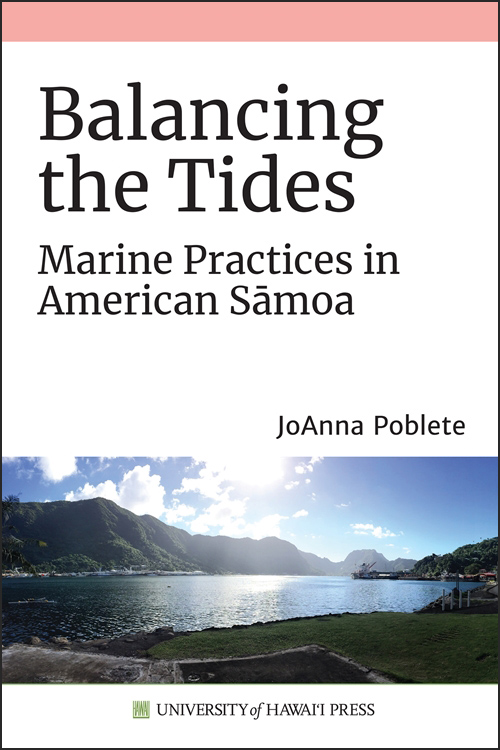
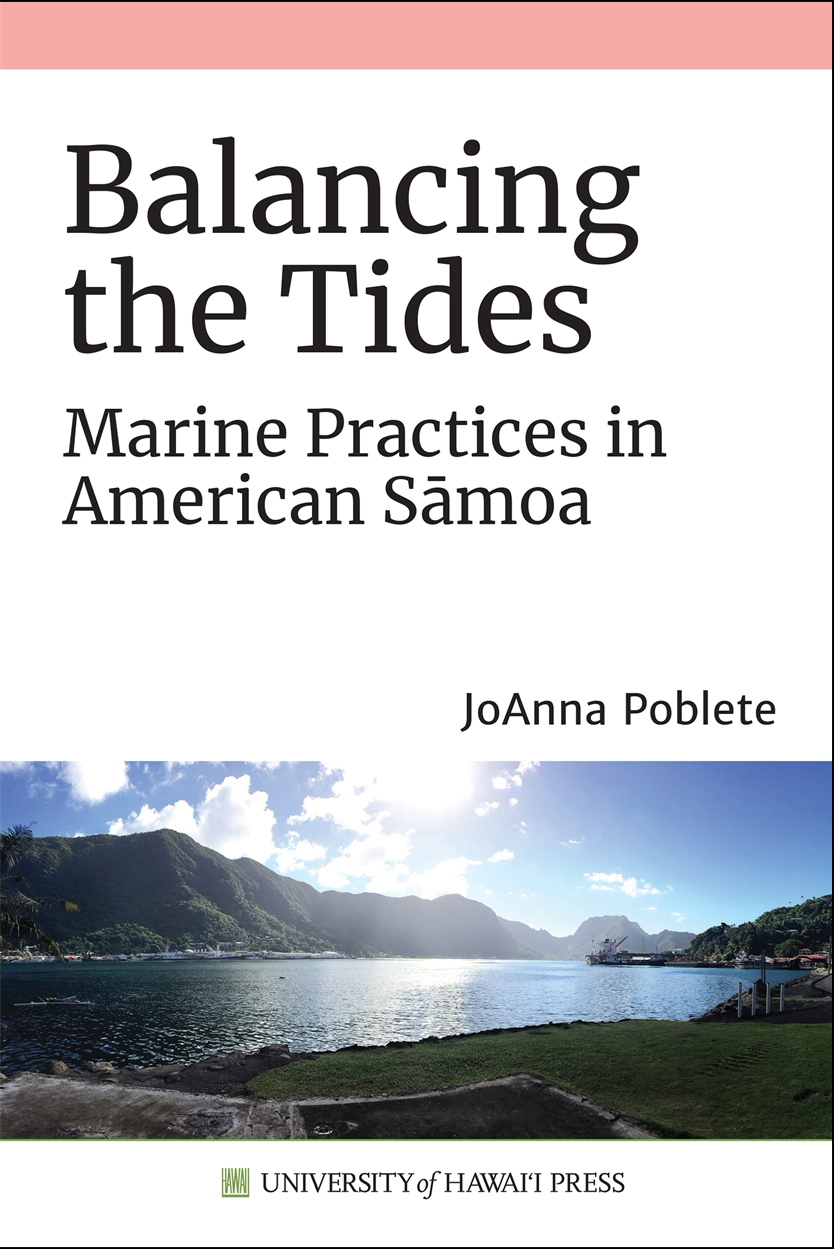
University of Hawai‘i Press proudly announces the publication of its first born-digital, open-access monograph: JoAnna Poblete’s Balancing the Tides: Marine Practices in American Sāmoa, now available in both complimentary electronic and for-purchase print formats.

Download an open access copy today!

ScholarSpace
JSTOR 
Project Muse
Internet Archive
Google Books
OAPEN

Also available for purchase in print here.

About the Book
“Poblete’s Balancing the Tides is remarkable for its focus on the impact of U.S. federal policies in American Sāmoa. Whether she is discussing federal minimum wage debates or examining federal fishing regulations, Poblete shows how Americans and Sāmoans alike shape and are shaped by the forceful and sometimes flexible nature of U.S. federal marine-related management in American Sāmoa.” —Keith L. Camacho, UCLA

Balancing the Tides highlights the far-reaching influence of marine practices and policies in the unincorporated territory of American Sāmoa on the local indigenous group, the American fishing industry, U.S. environmental programs, and on global discussions about ecology and indigenous communities. Each chapter of the book highlights a type of ocean-use policy or marine-related practice in American Sāmoa to demonstrate how American colonial efforts to protect natural resources intersect with indigenous adherence to customary principles of respect, reciprocity, and native rights. Poblete’s study ultimately connects the U.S.-American Sāmoa colonial relationship to global overfishing, world consumption patterns, the for-profit fishing industry, international environmental movements and studies, as well as native experiences and indigenous rights.

More information on this project
Balancing the Tides is sophisticated scholarship that investigates timely issues at the forefront of conversations in and outside of the academy,” said UH Press executive editor Masako Ikeda. “This makes it an especially well-suited book for OA; by making electronic copies available for download at no cost, we hope Dr. Poblete’s research about American Sāmoa will be more readily available to the people there, as well as to other important audiences, including policy makers and students.”

The first UH Press title to be released in OA prior to the print edition, Poblete’s book is produced through the Sustainable History Monograph Pilot, an initiative funded by the Andrew W. Mellon Foundation that seeks to develop a viable model for publishing high-quality scholarship in OA format by employing new production technologies. “The OA edition of Balancing the Tides is really a landmark event,” said interim director Joel Cosseboom. “It not only sets a precedent for OA publishing at UH Press, but also contributes to our goal of serving indigenous communities throughout the Pacific.”

Other UH Press titles forthcoming from the Sustainable History Monograph Pilot will address the histories of Vietnam, Korea, and Vanuatu. “My hope is that UH Press will soon be able to adopt the new technologies employed by this program to issue more OA publications, especially in Hawaiian and Pacific studies,” said Cosseboom.

The next SHMP title will be Alec Holcombe’s Mass Mobilization in the Democratic Republic of Vietnam, 1945–1960.