November is our busiest month for conference exhibits and this year is no exception. Find our staff at these in-person events from Boston to New Orleans to San Juan!
Category: Religion
Special Features: Korean LGBTQ+ Literature, Remembering Linguists Robert Andrew Blust and Thomas Edward Dutton and more

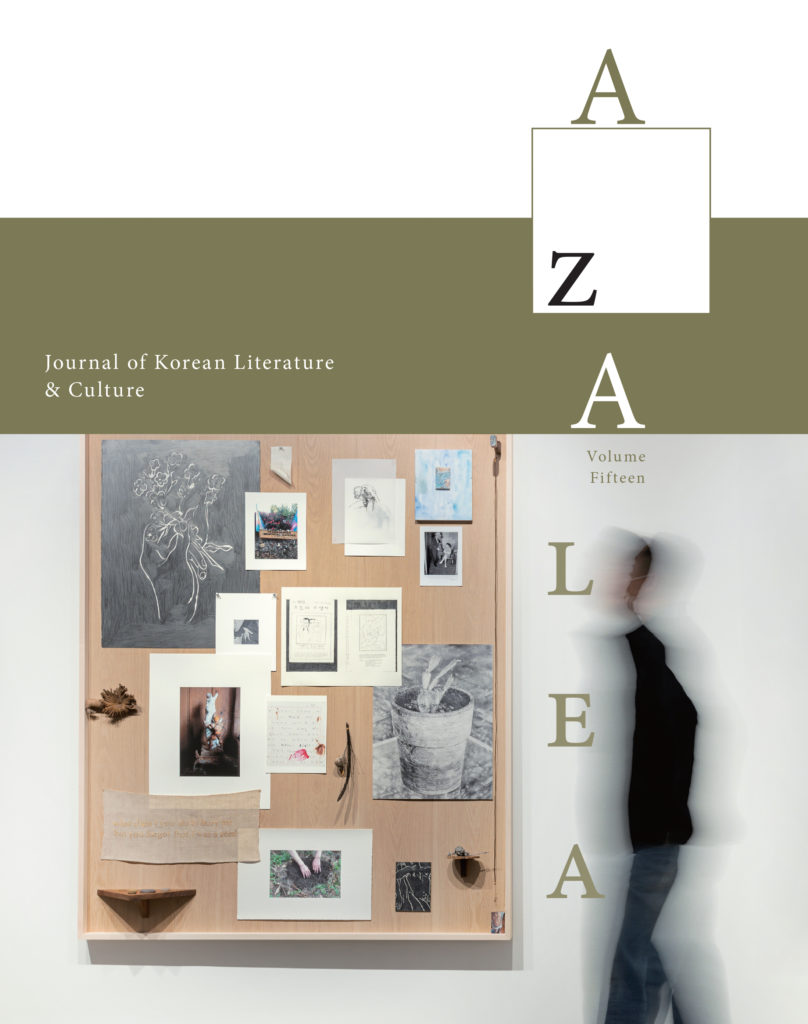
Azalea
Volume 15 (2022)
From the editor Young-Jun Lee:
A century’s worth of change looks quite remarkable in Korean literature. Today’s young Koreans cannot read the same newspapers read by their grandparents’ generation. In less than a hundred years, the national written language has shifted from Chinese characters to Korean hangul, then briefly to Japanese as enforced under colonial rule, and then to the modern Korean language that we know today. During this process, remarkable sociocultural transformations dominated daily life. Over the first half of the 20th century, Koreans endured enormous political shifts most notably marked by colonization, the Korean War, and the ensuing divide of the country into separate political nations. Along the way, Korean literature registered these upheavals and fluctuations.
Notably, the literature of totalizing grand narrative, which concerned itself with the trajectory of nation-building, persisted in Korea until the 1980s. Ever since the end of the military dictatorship and the establishment of a civil government in the 1990s, however, that literature began to shift its focus to the lives of women. Now, those long ignored and marginalized—including queer women, as well as other queer people such as those who are non-binary— have also begun to emerge more strongly as published authors, even as they have been increasingly centered as subjects of literary narratives. The ongoing impact of this inclusive, expansionary shift
can be seen directly in AZALEA’s decision to focus on LGBTQ+ literature for its fifteenth issue.
Find more poetry, fiction, graphic shorts, and images at Project MUSE.

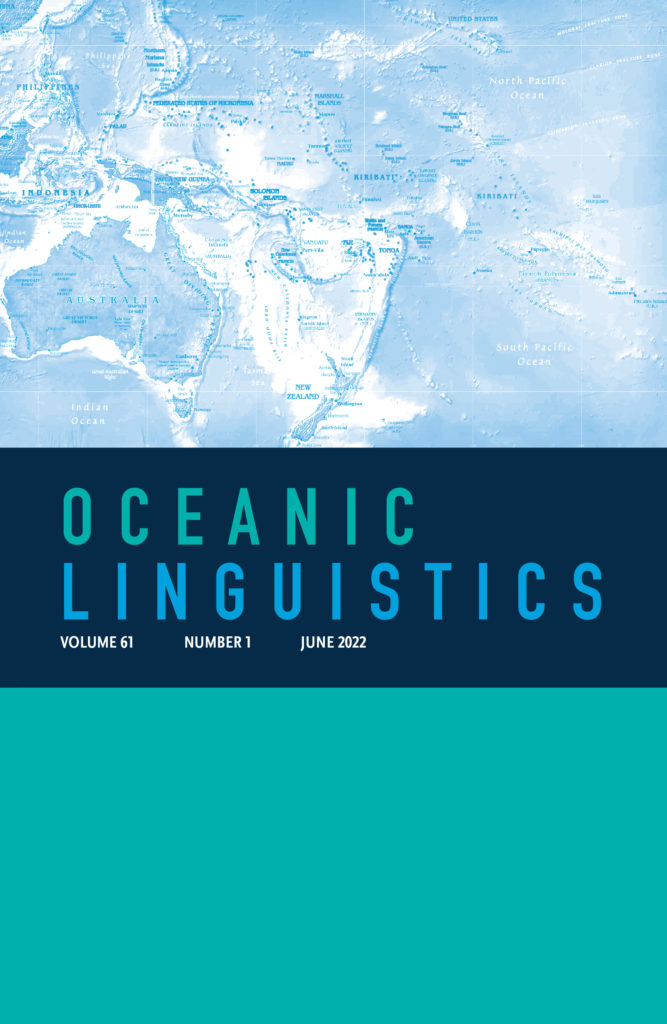
Oceanic Linguistics
Volume 61, Number 1 (2022)
The new issue includes the following articles and reviews:
The Place of Space in Oceanic Linguistics
Leah Pappas and Alexander Mawyer
Semantics and Pragmatics of Voice in Central Malagasy Oral Narratives
Penelope Howe
On the Nature of Proto-Oceanic *o in Southern Vanuatu (and Beyond)
John Lynch
Rare, but Real: Native Nasal Clusters in Northern Philippine Languages
Robert Blust
The Greater West Bomberai Language Family
Timothy Usher and Antoinette Schapper
The Phonology and Typological Position of Waima’a Consonants
Kirsten Culhane
Find more research articles, squibs, and reviews at Project MUSE.

Philosophy East and West
Volume 72, Number 2 (2022)
Includes the following articles and discussions:
Bhāviveka’s Inclusivism: Discriminating the Feces, Jewels, and Fake Jewels of the Veda
Hyoung Seok Ham
Buddhist Ethics as a Path: A Defense of Normative Gradualism
Javier Hidalgo
For Glory and for Sport: Jonathan Edwards and the Vedanta School on God’s Motive for Creating the World
Daniel M. Johnson
Kumārila Bhaṭṭa and Pārthasārathi Miśra on First- and
Higher-Order Knowing
Malcolm Keating
Is Zhuangzi a Patient Relativist?: A Response to Yong Huang Jianping Hu
Find more articles, discussions, and reviews at Project MUSE.
New Journal Issues: Aloha Shirt Aesthetics, Patterns of Mortuary Practice in Vanuatu, Taiwan Sugar in the 1600s + More

Asian Perspectives
Volume 61, Number 1 (2022)
The new issue includes the following articles and reviews:
Lakheen-Jo-Daro, an Indus Civilization Settlement at Sukkur
in Upper Sindh (Pakistan): A Scrap Copper Hoard and
Human Figurine from a Dated Context
Paolo Biagi and Massimo Vidale
The Hamin Mangha Site: Mass Deaths and Abandonment
of a Late Neolithic Settlement in Northeastern China
Yawei Zhou, Xiaohui Niu, Ping Ji, Yonggang Zhu, Hong Zhu, and
Meng Zhang
Early Metal Age Settlement at the Site of Palemba, Kalumpang,
Karama Valley, West Sulawesi
Anggrreani
Patterns of Mortuary Practice over Millennia in Southern Vanuatu,
South Melanesia
Frédérique Valentin, Wanda Zinger, Alison Fenwick, Stuart Bedford,
James Flexner, Edson Willie, and Takaronga Kuautonga
Find more research articles and reviews at Project MUSE.


Biography
Volume 44, Issues 2 & 3 (2021)
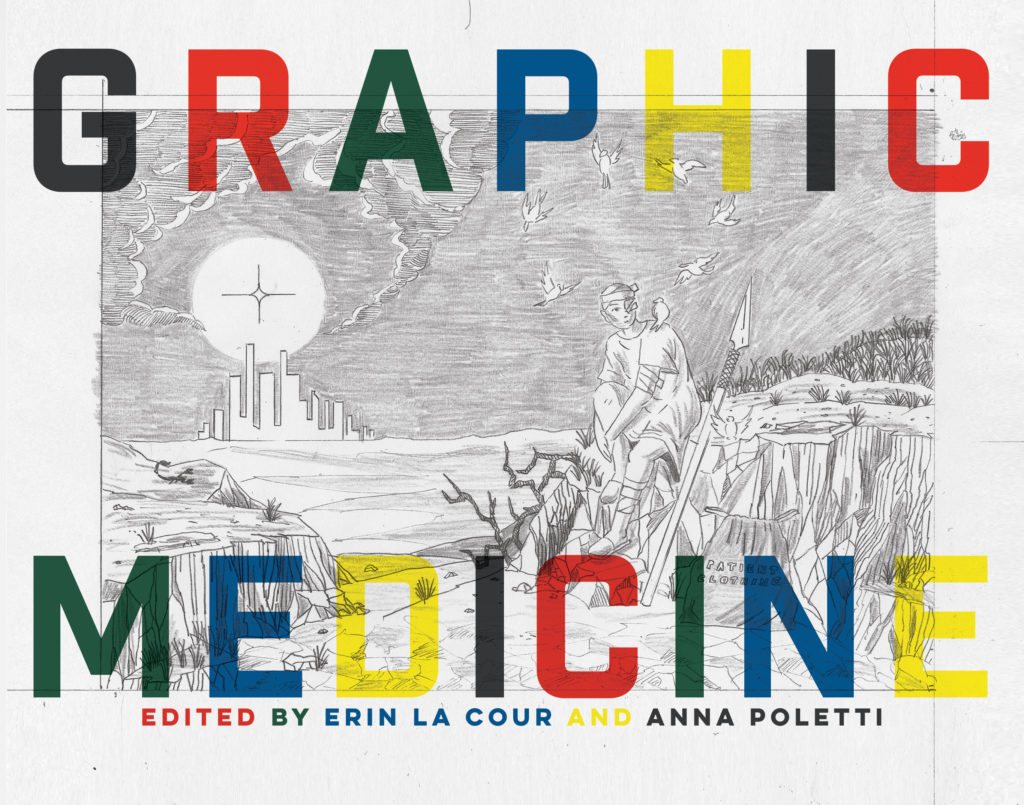
Special Double Issue: Graphic Medicine
Graphic Medicine’s Possible Futures: Reconsidering Poetics and Reading
Erin La Cour and Anna Poletti
Conflict or Compromise?: An Imagined Conversation
with John Hicklenton and Lindsay Cooper about
Living with Multiple Sclerosis
John Miers
Out of Sync: Chronic Illness, Time, and Comics Memoir
Jared Gardner
Face as Landscape: Refiguring Illness, Disability,
and Disorders in David B.’s Epileptic
Erin La Cour
Graphic Confessions and the Vulnerability Hangover
from Hell
Safdar Ahmed
Drawn to History: Healing, Dementia, and the Armenian
Genocide in the Intertextual Collage of Aliceheimer’s
Crystal Yin Lie
Find more at Project MUSE.
Biography
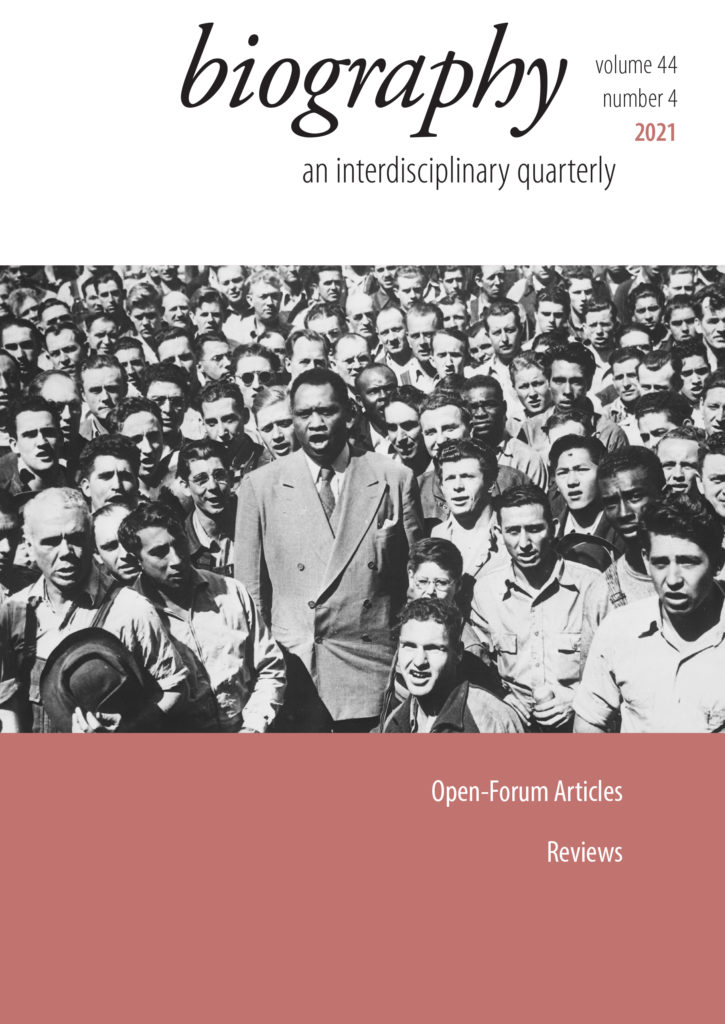
Volume 44, Issue 4 (2021)
Open Forum Articles
Reviews
Editor Craig Howes embraces this volume as he explains:
“The latest issue of Biography qualifies as special because of its ordinariness. After a four-installment run featuring two special issues, an inaugural Forum, and the Annual Bibliography and International Year in Review, we now return to our regularly scheduled programming. Articles and book reviews—that’s all!
But the table of contents for this issue speaks to what has distinguished Biography for decades as a quarterly. First, the articles. Their geographic, historic, linguistic, and generic range is in keeping with our international and interdisciplinary profile. American celebrity biographies and philosophy, twentieth-century Indian regional autobiography, modernist Austrian psychoanalytic biography, post-WWII German-Romanian autofiction, contemporary Palestinian auto/biographical texts—our pages map out and tell the stories of the field.”
Find more articles and reviews at Project MUSE.

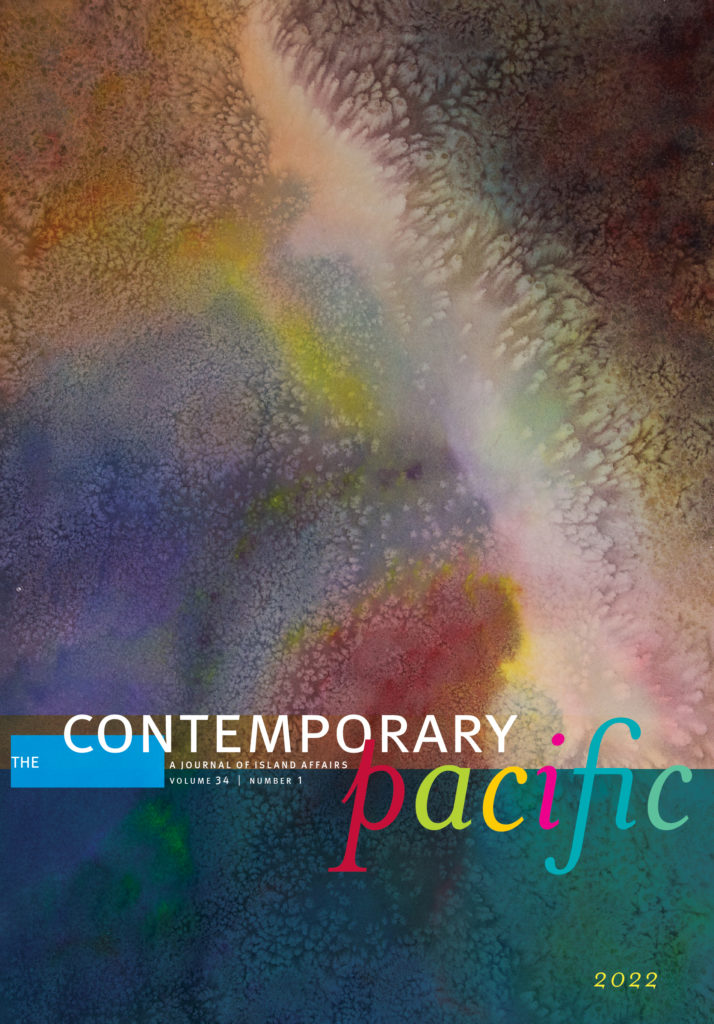
The Contemporary Pacific
Volume 34, Issue 1 (2022)
The new issue includes the following articles, dialogues, political, media, and book reviews.
One Salt Water: The Storied Work of Trans-Indigenous Decolonial Imagining with West Papua
Bonnie Etherington
Making Sartorial Sense of Empire: Contested Meanings
of Aloha Shirt Aesthetics
Christen T Sasaki
The Compensation Page: News Narratives of Public Kinship in Papua New Guinea Print Journalism
Ryan Schram
“We Are So Happy EPF Came”: Transformations of Gender in Port Moresby Schools
Ceridwen Spark and Martha Macintyre
Pacific People Navigating the Sacred Vā to Frame Relational Care: A Conversation between Friends across Space and Time
Silia Pa‘usisi Finau, Mele Katea Paea, and Martyn Reynolds
Find more articles, dialogues, political, media, and book reviews at Project MUSE.


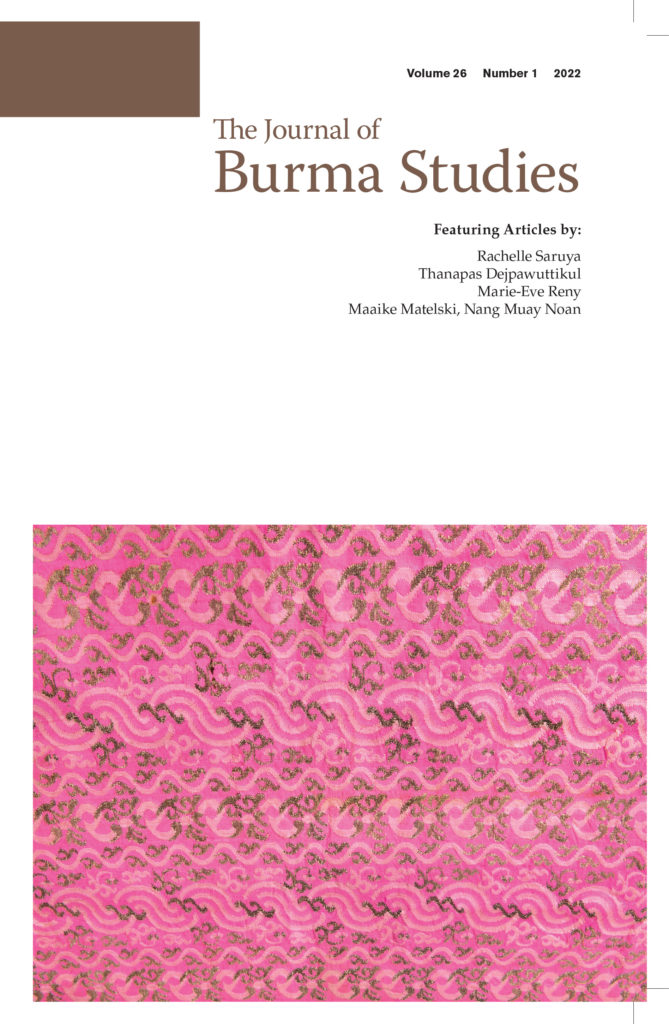
The Journal of Burma Studies
Volume 26, Number 1 (2022)
Ritual and Play in Buddhist Nun-Making: Girlhood,
Nunhood, and the Shaping of the “Little Teacher” in
Today’s Myanmar
Rachelle Saruya
From Archenemy of the Nation to the Intimate
Other: Prince Damrong Rajanubhab’s Journey
through Burma and the Colonial Ecumene
Thanapas Dejpawuttikul
Military Rule with a Weak Army: Myanmar’s
Late Expansion
Marie-Eve Reny
Grassroots Roles and Leadership Aspirations:
The Experiences of Young Ethnic Women in
Myanmar Civil Society Organizations
Maaike Matelski and Nang Muay Noan
Find more captivating articles at Project MUSE.
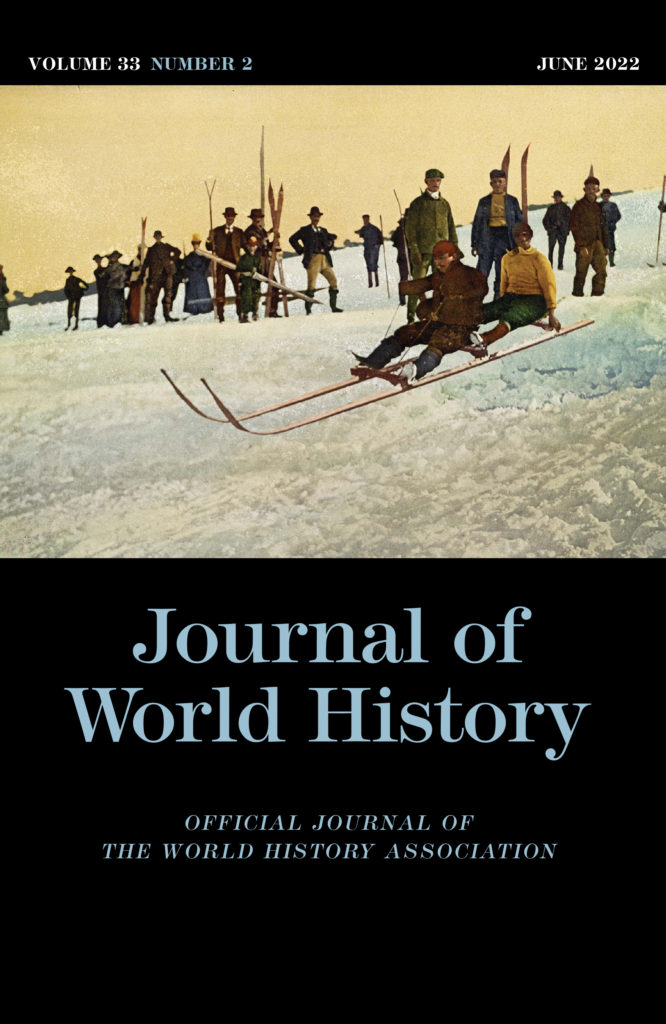
Journal of World History
Volume 33, Number 2 (June 2022)
The “Material Turn” in World and Global History
Giorgio Riello
From the Atlantic to the Manchu: Taiwan Sugar and the Early Modern World, 1630s–1720s
Guanmian Xu
The Myth of Immobility: Women and Travel in the British Imperial Indian Ocean
Scott Reese
Religion and the Contemporary Phase of Globalization: Insights from a Study of John Paul II’s World Youth Days
Charles Mercier
Find more research articles and reviews at Project MUSE.
Journal of World History Special Issue: Missions & Conversions in World History – Free!
The World History Association will be hosting its annual meeting in-person and virtually in Bilbao, Spain from June 23 to 25, on the theme “Distance, Mobility, and Migration.” The Journal of World History offers this accompanying special collection “Missions and Conversions in World History,” free on the Project MUSE platform through September 30. Select World History Titles in our Books Department will also be 30% July 1 through September 30 with coupon code WHA2022.
Missionary efforts are usually enacted on a global scale and have been an important force within world history. This special collection of articles seeks to enhance our understanding of missionaries and conversion and their place in the discourse on religion in world history. Some of the articles in this special collection focus on the religious beliefs of the missionaries and converts, and how those beliefs adapted to the cultures of parties. Other contributors analyze the political ramifications of missionary undertakings, while still others explore the varied cultural exchanges and entanglements which result from these encounters, many of which extended beyond the religious.
This special issue provides accessible resources for scholars and teachers worldwide and features Guest Editor Stephen S. Francis, who discusses the issue below.

(Photo courtesy of Stephen S. Francis)
University of Hawai‘i Press: Tell us how this special issue came together.
Stephen S. Francis: My personal area of research is the history of religion and society, and also family relations and material culture, so I was drawn to these articles that not only dealt with the personal ideological conversion of peoples, but also how missionaries and religion affected other aspects of society and culture beyond the intended reasons for proselyting.
UHP: Why is this issue important now?
SSF: Since the latter half of the twentieth century and the beginning of the twenty-first, religion throughout the world has undergone radical change, but perhaps no more so than in the past. So, I think it is beneficial for us to look at the impact and effects of past encounters to place the current developments in context.
UHP: How do you hope people will use this issue?
SSF: One of the goals of Journal of World History is to show broader interconnections of ideas that go beyond nations and regions, and in editing this volume, I gained greater insight into my own localized study by seeing the similarities and how my own work fits into this larger discourse. I hope that other scholars will do the same, and that it will enhance their own research and world view.
UHP: How are things changing as the world has reopened slowly? Are there many ways the pandemic has affected your own research and teaching?
SSF: Specifically regarding the topic of this issue, I know that several churches have altered the way they have proselyted during the pandemic, and I am eager to see how some of those changes will be kept and what ones will be discarded as the world reopens, which in several years will be fascinating to research. I, like many, had to cancel research trips due to the pandemic, but it also gave me time to reflect and focus on ideas that I may have ignored if life had continued as “normal.”

Missions & Conversions in World History
Table of Contents
“Missions and Conversions in World History: An Introduction”
Stephen S. Francis
Indigenous Encounters with Christian Missionaries in China and West Africa, 1800-1920: A Comparative Study
David F. Lindenfeld
American Missionaries and the Opium Trade in Nineteenth-Century China
Michael C. Lazich
The Intricacies of Accommodation: The Proselytizing Strategy of Matteo Ricci
Yu Liu
“A Missionary from the East to Western Pagans”: Kagawa Toyohiko’s 1936 U.S. Tour
Robert Shaffer
From Transformation to Negotiation: A Female Mission in a “City of Schools”
Julia Hauser
“Not Far from the Kingdom of God”: Shamanism and Colonial Control in Russia’s Eastern Borderlands, 1853–1917*
Jesse D. Murray
The Jesuit Heresiological Discourse as an Enlightenment Project in Early Modern China
Qiong Zhang
The New Woman, Her New Clothes, and Her New Education: Missionary Encounters and Consuming the Exotic
Mona L. Russell
The World History Association will host its annual meeting both in-person and virtually, from June 23 to 25, on the theme “Distance, Mobility, and Migration.” The Journal of World History offers this digital special issue “Missions and Conversions in World History” free on the Project MUSE platform through the end of September 2022. Select World History Titles in our Books Department will also be 30% July 1 through September 30 with coupon code WHA2022.

New Journal Special Issues: The Religiosity of Tonghak, Vietnamese Linguistics + More

China Review International
Volume 17-1 (2020)
Between Disaster, Punishment, and Blame: The Semantic Field of Guilt in Early Chinese Texts by Thomas Crone (review)
Michael Nylan
Dictatorship by Degrees: Xi Jinping in China by Steven P. Feldman (review)
John Sagers
Confucianism and Sacred Space: The Confucian Temple from Imperial China to Today by Chin-shing Huang (review)
Deborah Sommer
The Inconvenient Generation: Migrant Youth Coming of Age on Shanghai’s Edge by Minhua Ling (review)
Yinni Peng
Queer Chinese Cultures and Mobilities: Kinship, Migration, and Middle Classes by John Wei (review)
Shunyuan Zhang
Find more articles at Project MUSE.

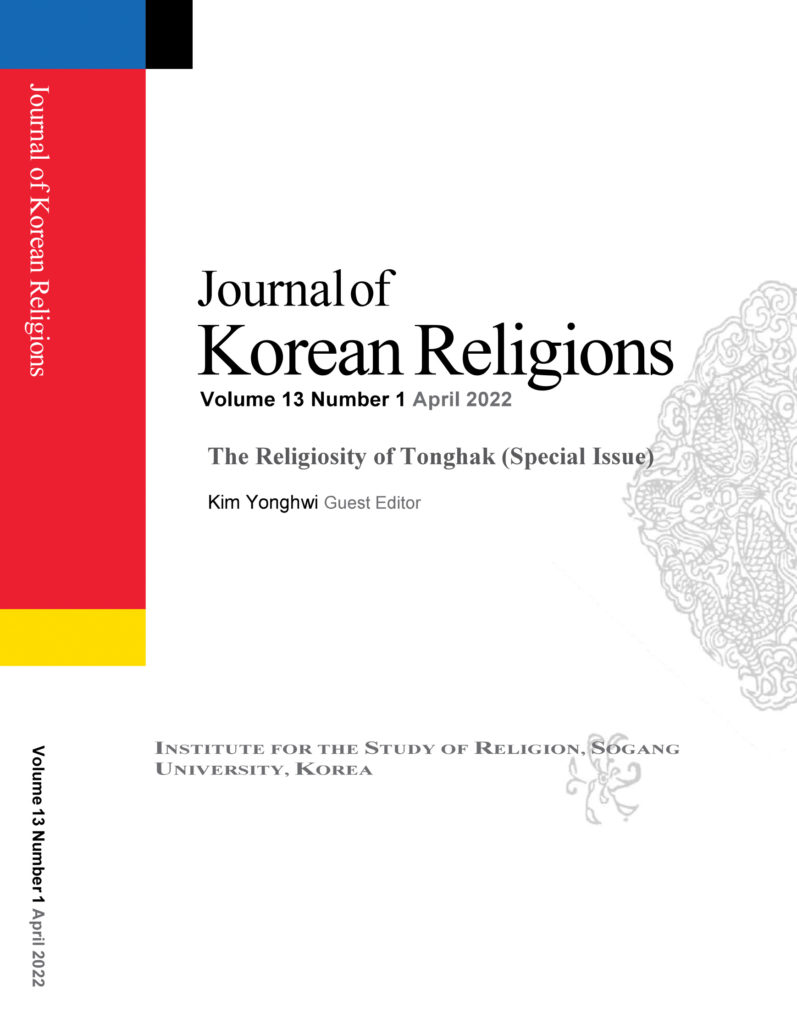
Journal of Korean Religions
Special Issue: The Religiosity of Tonghak
Volume 13, Number 1 (2022)
The new issue includes the following articles and reviews:
The Philosophical Turn in Tonghak: Focusing on the Extension of Ethics of Ch’oe Sihyŏng
Cho Sŏng-hwan
The Faith of Sich’ŏnju in Tonghak/Ch’ŏndogyo and its Method
of Practice
Kim Yonghae
Find more research articles and reviews at Project MUSE.

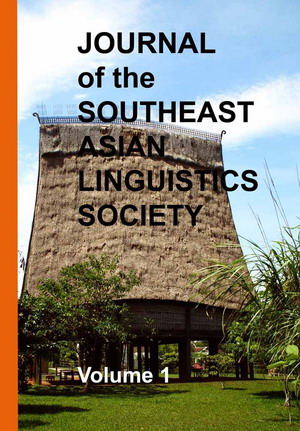
Journal of the Southeast Asian Linguistic Society
Special Issue:
Vietnamese Linguistics: State of the Field
The new issue features the following introduction by Trang Phan, John Phan, and Mark J. Alves
The current issue is the result of a workshop held at the Harvard Yenching Institute in April of 2021, entitled Vietnamese Linguistics, Typology and Language Universals, and which featured nineteen linguists working on diverse aspects of the Vietnamese language, ranging from semantics to historical phonology. Our purpose in gathering was to take stock of the great leaps in Vietnamese linguistic research that have occurred over the past few decades, to bring together cutting-edge research from each subdiscipline, and to begin a new collaborative dialogue on Vietnamese linguistics, typology, and language universals. Most of all, it was our belief that the time had come to reconsider Vietnamese linguistics as a unified field of inquiry. As a result, a new academic organization was founded: the International Society of Vietnamese Linguistics.
In the past twenty years, research into the Vietnamese language has advanced exponentially, in tandem with developments in our understanding of syntax, semantics, phonetics, and phonology—both on the synchronic and diachronic levels. Specific work on the Vietnamese language now informs and even leads broader linguistic inquiry in a number of unprecedented ways. These new developments invite a concentration of state-the-field research into a single volume, one that will serve not only to summarize current issues in each subdiscipline of Vietnamese linguistics, but also to initiate a longer, more collaborative conversation about the Vietnamese language.
Our goals in this special issue are thus twofold: first, we seek to provide a snapshot of current research into Vietnamese syntax, semantics, phonology, and phonetics, from both the historical and synchronic points of view, that may serve as a resource for linguists interested in exploring our current understanding of the Vietnamese language. Second, we hope that this issue will also serve as an invitation to all linguists working on the Vietnamese language or related languages to contribute to a broader, more cosmopolitan discussion—one in which discoveries of one subdiscipline may serve to inform or enlighten another.
Find more articles at eVols.

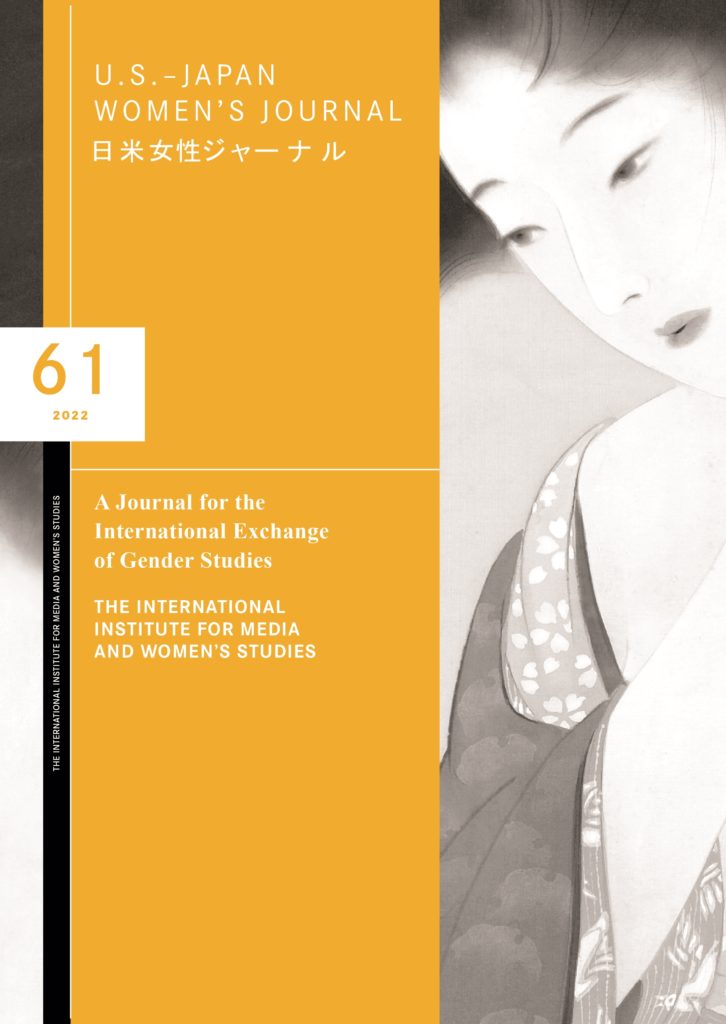
U.S. – Japan Women’s Journal
Volume 61 (2022)
The new issue features the following articles:
“Unseasonal Winds of Love”: A History of Prostitution and the Foreign Community in Early Modern Nagasaki
Martha Chaiklin
Historian and Feminist Kanō Mikiyo: A Lifetime of Writing Against Japanese Imperialism
Setsu Shigematsu
The “Emperor’s Heart” and the “Mother’s Heart”: What Gave Rise to the “Mothers of Yasukuni”
Kanō Mikiyo, Setsu Shigematsu
War-Themed Shōjo Manga as a Site for Female Subjectivity: An Aesthetic Analysis of Mothers and Daughters Narrating War
Kaori Yoshida, Kazumi Nagaike
Androids for the Stone Age?: Individuality, Space, and Gender in Murata Sayaka’s Convenience Store Woman
Ronald Saladin
Find more articles at Project MUSE.
New Journal Special Features: Gender Trouble in Korean Literature, Unsettling Korean Migration + Biography forum on Behrouz Boochani

Asian Theatre Journal
Volume 38, Number 2 (2021)
The new issue includes the following articles and reports:
Raktim Pariwar’s Red Lanterns: Dance and Cultural
Revolution in Nepal
Anna Marie Stirr
The Tokyo Festival World Competition 2019
Cody Poulton
Find more research articles, reports, and reviews at Project MUSE.

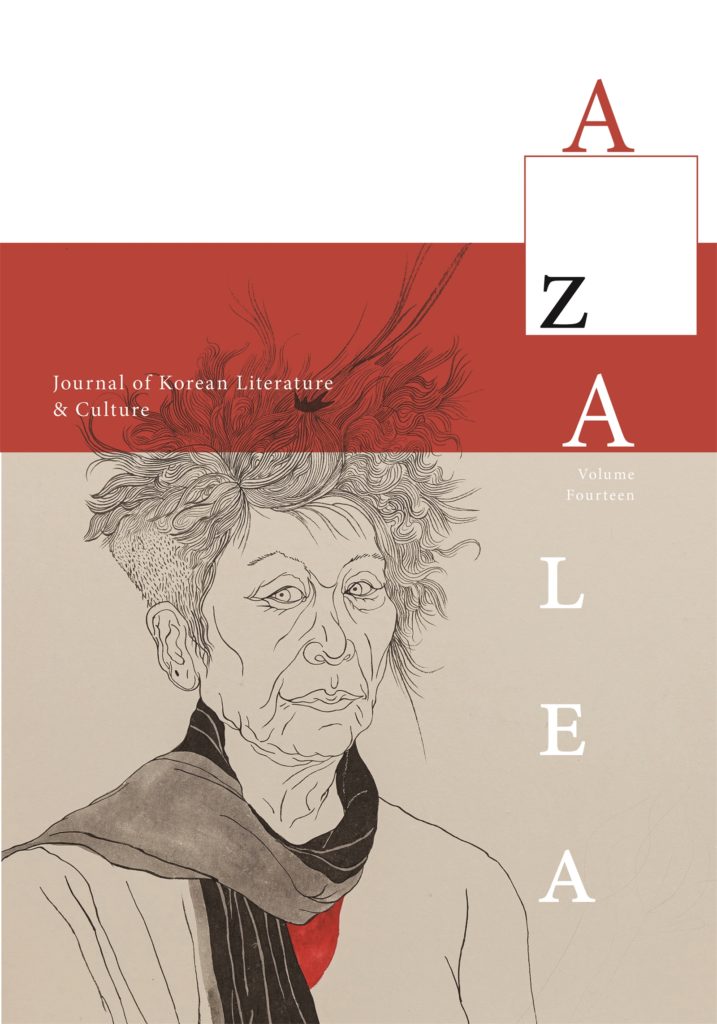
Azalea: Journal of Korean Literature & Culture
Volume 14 (2021)
Special Feature: Korean Genre Fiction; O Chang-hwan; and Gender Trouble In Korean Literature
From the Editor Young Jung-Lee:
One of the most important recent shifts in Korean literature is found in gender conflict. This “Special Feature: Gender Trouble in Korean Literature and Society,” guest-edited by Hye-Ryoung Lee, shows a fundamentally new perspective through six scholars reading Korean Literature and Society. Over the past decade, the #MeToo Movement has shaken the world, and Korean society has been no exception, as can be seen in Choi Young-mi’s poem “En,” introduced here with six critical essays. Even before its publication, “En” was the focus of media attention, and it remained a hot topic in Korean society for years due to Choi’s high-profile court battles.

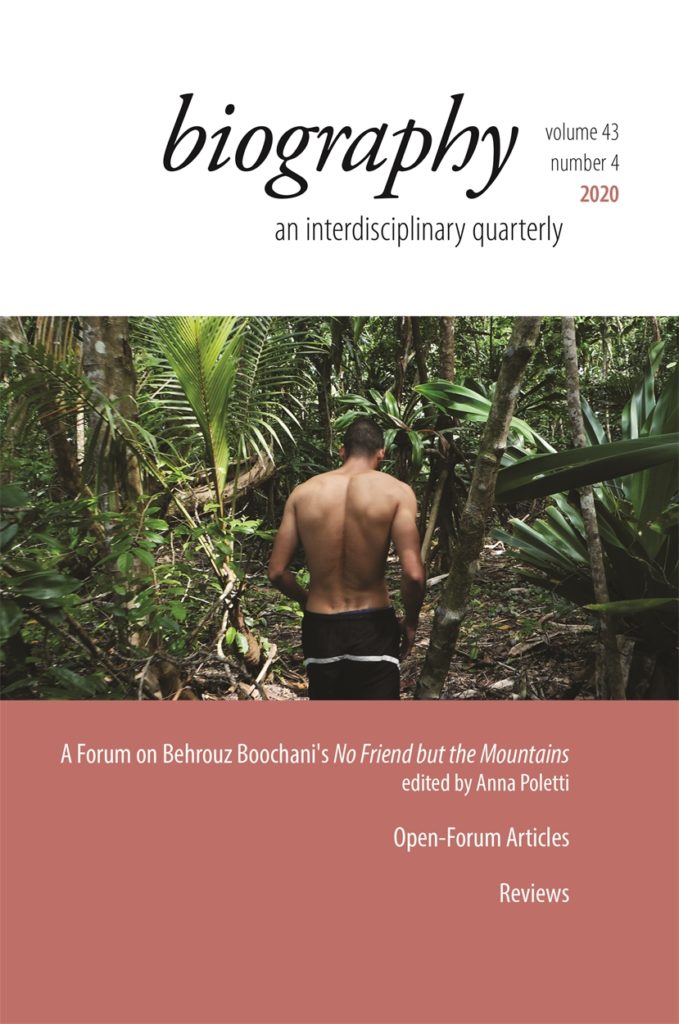
biography
Volume 43, Number 4 (2020)
Special Feature: A Forum on Behrouz Boochani’s No Friend but the Mountains
From Coeditor Anna Poletti:
With this forum, we, the editors of Biography, inaugurate a new feature of the journal that aims to respond to and amplify specific examples of the power of life writing as a cultural, political, and social practice, and which document key moments in the evolution of that practice. In this forum, No Friend but the Mountains is discussed as both a profoundly localized text responding to, making knowledge about, and exposing a highly specific and complex set of conditions, and as a uniquely transnational text that speaks to and about a global phenomenon. Its highly innovative use of life writing as a narrative technique and epistemological practice warranted, in our minds, a concentrated response from the journal. Commissioning and editing this response has renewed my appreciation for the primary concerns of lifewriting scholarship: tracking the mercurial power of personal storytelling to crystalize the contemporary moment in such a way that new knowledge emerges from the entanglements it depicts, and the entanglements it drags its readers into.

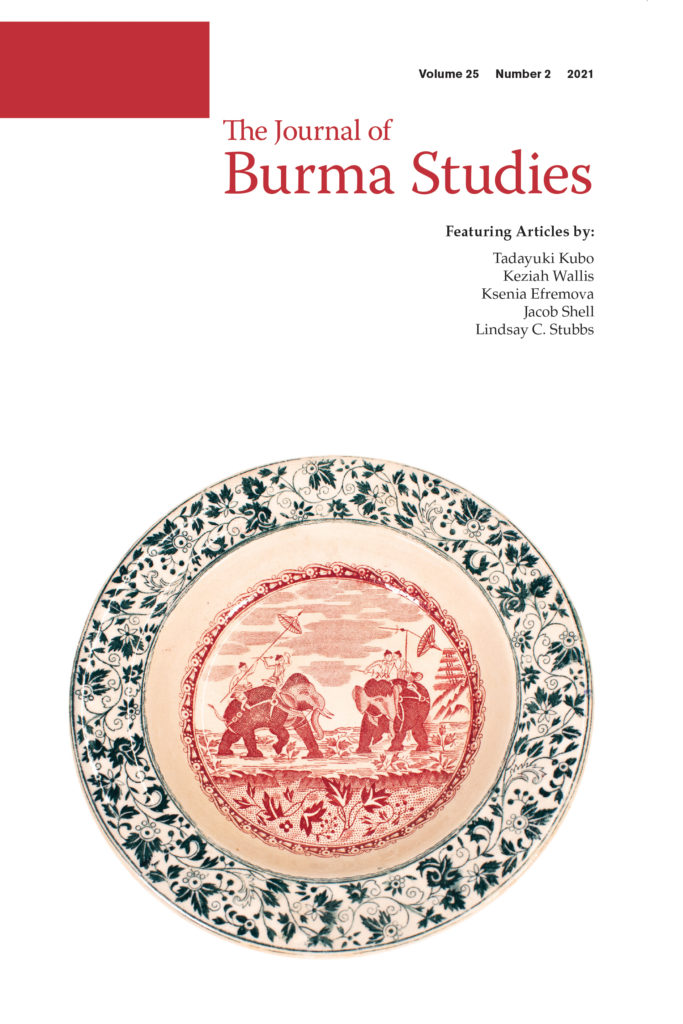
The Journal of Burma Studies
Volume 25, Number 2 (2021)
The new issue includes the following articles:
Ethnocentrism or National Reconciliation: Rethinking
Ethnic Relations and the History of Karenni
Tadayuki Kubo
Nats in the Land of the Hintha: Village Religion
in Lower Myanmar
Keziah Wallis
Elephant Riders of the Hukawng Valley, Kachin State:
Evasive Mobility and Vadological Geography
Jacob Shell

Korean Studies
Volume 45 (2021)
Special Section: Unsettling Korean Migration: Multiple Trajectories and Experiences
From the Editor Cheehyun Harrison Kim:
This analytic potency of migration is superbly demonstrated in this volume’s Special Section Unsettling Korean Migration: Multiple Trajectories and Experiences, guest edited by Sunhee Koo (The University of Auckland) and Jihye Kim (The University of Central Lancashire). Sunhee Koo and Jihye Kim have brought together papers on labor (Yonson Ahn and Jihye Kim), ritual life (Marcus Bell), cultural identity (Sunhee Koo), and artistic production (Hee-seung Irene Lee and Soojin Kim). The six engrossing articles deal with how the Korean diaspora—in Argentina, Germany, Japan, China, and the United States—have shaped and represented their particular situations through negotiation, resilience, and creativity. The authors are highly critical of any national framework, and they see diasporic life as contexts of not only sorrow and sacrifice but also innovation and regeneration. Sunhee Koo and Jihye Kim offer a detailed explanation in their Introduction.


Oceanic Linguistics
Volume 60, Number 1 (2021)
The new issue includes the following articles:
Avaipa, a Language of Central Bougainville
Jason Brown,Melissa Irvine
East Polynesian Subgrouping and Homeland Implications Within the Northern Outlier–East Polynesian Hypothesis
William H. Wilson
Toward a Comparative Typology of ‘Eating’ in Kanak Languages
Anne-Laure Dotte, Claire Moyse-Faurie
Find more research articles and reviews at Project MUSE.
Philosophy East and West
Volume 71, Number 4 (2021)
The new issue included the following articles and translations:
Jian’Ai: Considerations From the “Greater Selection”
Susan Blake
Patterning the Myriad Things: Holism, Harmony, and Anthropogenic Influence in the Huainanzi
Matthew Hamm
Confucianism and Totalitarianism: An Arendtian Reconsideration of Mencius versus Xunzi
Lee Wilson
“America’s National Character” by Watsuji Tetsurō: A Translation
Kyle Michael James Shuttleworth, Sayaka Shuttleworth, Watsuji Tetsurō
Find more research articles, translations, and reviews at Project MUSE.
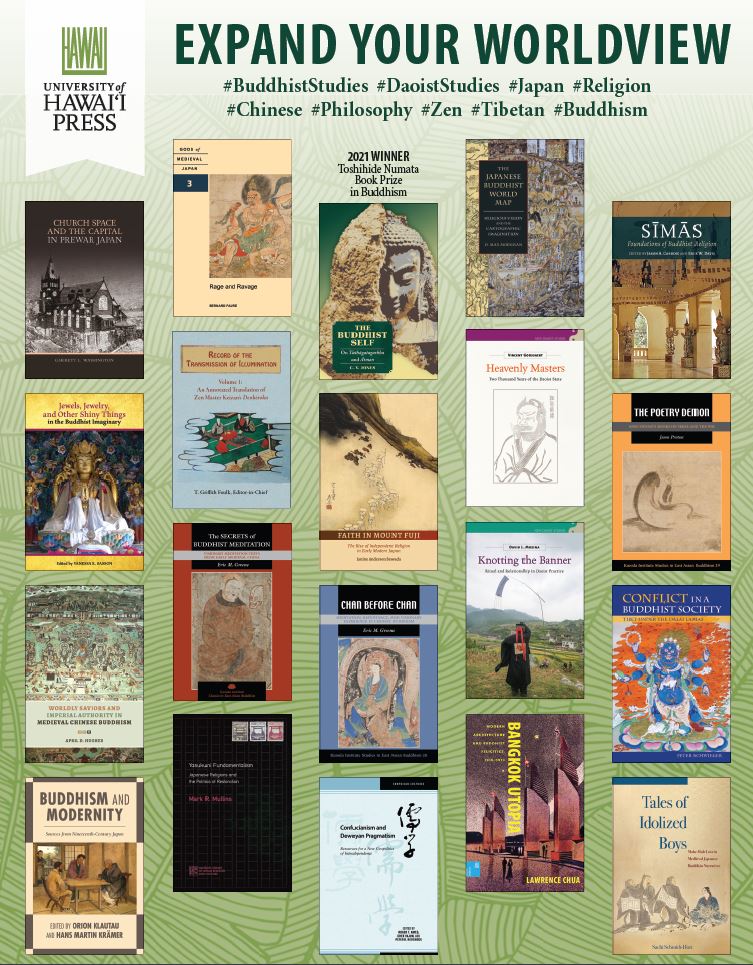
2021 American Academy of Religion Meeting
The annual American Academy of Religion meeting (held jointly with the Society of Biblical Literature) continues through Tuesday, November 23. If you’re attending in person, be sure to pick up the Publishers Weekly “Religion & Spirituality” supplement and check out our ad on page 15, shown below. Even if you’re not in San Antonio, use the conference discount code AAR2021 to order recent religion titles, those in our religion-related book series, and titles such as Places by the late Buddhist nun, Setouchi Jakuchō. (Coupon code good through December 31, 2021.)
Click image to open the PW ad as a PDF; then click on each book cover to link to its web page.
Philosophy East and West, 71#3
Guest Editors: Michael Hampe and Kai Marchal
Table Of Contents
Wisdom: Introduction to Special Issue
Michael Hampe, Kai Marchal
DOI: 10.1353/pew.2021.0039
The Art of Dying is the Art of Living: Rationality in Theravada Buddhism
Susan E. Babbitt
DOI: 10.1353/pew.2021.0040
The Wisdom of Insight
Ondřej Beran
DOI: 10.1353/pew.2021.0041
Wisdom, Deep Deference, and the Problem of Autonomy: Engaging with Being Cheng
Philippe Brunozzi
DOI: 10.1353/pew.2021.0042
Philosophers, Mystics, and Other Sages: Wisdom in Early Islamic Thought
Nadja Germann
DOI: 10.1353/pew.2021.0043
Wisdom in Individual, Political, and Cultural Transformations: Brecht, Nietzsche, and the Limits of Academic Philosophy
Michael Hampe, Karsten Schoellner
DOI: 10.1353/pew.2021.0044
Wisdom: A Murdochian Perspective
Kai Marchal
DOI: 10.1353/pew.2021.0045
Who Is a Wise Person? Zhuangzi and Epistemological Discussions of Wisdom
Shane Ryan, Karyn Lai
DOI: 10.1353/pew.2021.0046
Birds of Wisdom
Mario Wenning
DOI: 10.1353/pew.2021.0047
Mulla Sadra’s Practical Philosophy: A Return to Platonic Phronesis
Sahar Kavandi, Maryam Ahmadi, Ahmad Hosseini
DOI: 10.1353/pew.2021.0048
Putting Ruist and Hegelian Social Thought in Dialogue
Andrew James Komasinski
DOI: 10.1353/pew.2021.0049
Ming 名 in the Laozi Daodejing 老子道德經: Interpretations and Translations of the Opening Verse
Yumi Suzuki
DOI: 10.1353/pew.2021.0050
An Islamic Account of Reformed Epistemology
Jamie B. Turner
DOI: 10.1353/pew.2021.0051
Discussion
Wilhelm Halbfass and the Purposes of Cross-Cultural Dialogue
Dimitry Shevchenko
DOI: 10.1353/pew.2021.0052
After Comparative Philosophy: A Discussion of “Wilhelm Halbfass and the Purposes of Cross-Cultural Dialogue,” by Dimitry Shevchenko
Purushottama Bilimoria
DOI: 10.1353/pew.2021.0053
Online Book Reviews
The Non-Existence of the Real World by Jan Westerhoff (review)
Ricki Bliss
DOI: 10.1353/pew.2021.0054
Ratnakīrti’s Proof of Exclusion by Patrick McAllister (review)
Joel Feldman
DOI: 10.1353/pew.2021.0055
Human Being, Bodily Being: Phenomenology from Classical India by Chakravarthi Ram-Prasad (review)
Sonam Kachru
DOI: 10.1353/pew.2021.0056
Classical Indian Philosophy: A History of Philosophy Without Any Gaps by Peter Adamson and Jonardon Ganeri (review)
Joerg Tuske
DOI: 10.1353/pew.2021.0057
Journal of Daoist Studies, Volume 12, 2019
[et_pb_section bb_built=”1″][et_pb_row][et_pb_column type=”3_4″][et_pb_text _builder_version=”3.17.6″]
Now available online, Journal of Daoist Studies, volume 12, 2019.
Laozi and Community Policing by Shen Ming-Chang
Ji Kang’s Theory of Music: Two Interpretations by Tang Man-to
Armored Gods: Generals, Guardians, Killers, and Protectors by Livia Kohn
Yixing and Buddhism in Manuals of Internal Alchemy by William T. Sanders
The Zhang Sanfeng Conundrum: Taijiquan and Ritual Theater by Scott Park Phillips
Ritual Healing in Taiwan: The Rite for Concealing the Soul by Lichien Hung
Daoist Medicine: Understanding Human Nature and Physiology by Hervé R. F. Louchouarn
The Taiji Path to Non-Duality: The Universal Energy Dance by Denise Meyer
From Daoist Cultivation to Longevity Market? “Nourishing Life” on Mount Qingcheng by Hélène Bloch
Blue Mountain: A 20th-century Korean Daoist Master by Ron Catabia
Daoism in Latin America by Matheus Oliva da Costa
Zhuangzi in the Classroom: A Teacher Diary Study by David McLachlan Jeffrey
The Black Pearl and the White Pearl by Peter Deadman
The Mad Monk Manifesto: A Daoist Cry for a Paradigm Shift Now by Monk Yun Rou
[/et_pb_text][et_pb_divider _builder_version=”3.11″ color=”#000000″ /][et_pb_text _builder_version=”3.17.6″]
About the Journal
The Journal of Daoist Studies is an annual publication dedicated to the scholarly exploration of Daoism in all its different dimensions. Each issue has three main parts: Academic Articles on history, philosophy, art, society, and more (limit 8,500 words); Forum on Contemporary Practice on issues of current activities both in China and other parts of the world (limit 5,000 words); and News of the Field, presenting publications, dissertations, conferences and websites.
[/et_pb_text][/et_pb_column][et_pb_column type=”1_4″][et_pb_image _builder_version=”3.17.6″ src=”https://www.uhpress.hawaii.edu/wp-content/uploads/2019/02/front_cover-JDS.jpg” url_new_window=”on” box_shadow_style=”preset1″ align=”center” url=”http://muse.jhu.edu/issue/38618″ /][et_pb_text _builder_version=”3.17.6″]
Journal of Daoist Studies Volume 12, 2019
[/et_pb_text][et_pb_button _builder_version=”3.17.6″ button_text=”Read Full Text of Issue” button_url=”https://muse.jhu.edu/issue/39913″ url_new_window=”on” button_alignment=”center” background_layout=”dark” custom_button=”on” button_text_color=”#ffffff” button_bg_color=”#87b04d” button_icon=”%%24%%” button_text_shadow_vertical_length=”0.1em” button_text_shadow_blur_strength=”0.1em” box_shadow_style=”preset1″ button_on_hover=”off” button_border_color=”#87b04d” button_text_size__hover_enabled=”off” button_text_size__hover=”null” button_one_text_size__hover_enabled=”off” button_one_text_size__hover=”null” button_two_text_size__hover_enabled=”off” button_two_text_size__hover=”null” button_text_color__hover_enabled=”on” button_text_color__hover=”#87b04d” button_one_text_color__hover_enabled=”off” button_one_text_color__hover=”null” button_two_text_color__hover_enabled=”off” button_two_text_color__hover=”null” button_border_width__hover_enabled=”off” button_border_width__hover=”null” button_one_border_width__hover_enabled=”off” button_one_border_width__hover=”null” button_two_border_width__hover_enabled=”off” button_two_border_width__hover=”null” button_border_color__hover_enabled=”off” button_border_color__hover=”null” button_one_border_color__hover_enabled=”off” button_one_border_color__hover=”null” button_two_border_color__hover_enabled=”off” button_two_border_color__hover=”null” button_border_radius__hover_enabled=”off” button_border_radius__hover=”null” button_one_border_radius__hover_enabled=”off” button_one_border_radius__hover=”null” button_two_border_radius__hover_enabled=”off” button_two_border_radius__hover=”null” button_letter_spacing__hover_enabled=”off” button_letter_spacing__hover=”null” button_one_letter_spacing__hover_enabled=”off” button_one_letter_spacing__hover=”null” button_two_letter_spacing__hover_enabled=”off” button_two_letter_spacing__hover=”null” button_bg_color__hover_enabled=”off” button_bg_color__hover=”null” button_one_bg_color__hover_enabled=”off” button_one_bg_color__hover=”null” button_two_bg_color__hover_enabled=”off” button_two_bg_color__hover=”null” /][et_pb_button _builder_version=”3.17.6″ button_text=”Get E-Mail Alerts” button_url=”https://about.muse.jhu.edu/resources/alerts/” url_new_window=”on” button_alignment=”center” background_layout=”dark” custom_button=”on” button_text_color=”#ffffff” button_bg_color=”#87b04d” button_icon=”%%24%%” button_text_shadow_vertical_length=”0.1em” button_text_shadow_blur_strength=”0.1em” box_shadow_style=”preset1″ button_on_hover=”off” button_text_color_hover=”#87b04d” button_border_color=”#87b04d” button_text_size__hover_enabled=”off” button_text_size__hover=”null” button_one_text_size__hover_enabled=”off” button_one_text_size__hover=”null” button_two_text_size__hover_enabled=”off” button_two_text_size__hover=”null” button_text_color__hover_enabled=”on” button_text_color__hover=”#87b04d” button_one_text_color__hover_enabled=”off” button_one_text_color__hover=”null” button_two_text_color__hover_enabled=”off” button_two_text_color__hover=”null” button_border_width__hover_enabled=”off” button_border_width__hover=”null” button_one_border_width__hover_enabled=”off” button_one_border_width__hover=”null” button_two_border_width__hover_enabled=”off” button_two_border_width__hover=”null” button_border_color__hover_enabled=”off” button_border_color__hover=”null” button_one_border_color__hover_enabled=”off” button_one_border_color__hover=”null” button_two_border_color__hover_enabled=”off” button_two_border_color__hover=”null” button_border_radius__hover_enabled=”off” button_border_radius__hover=”null” button_one_border_radius__hover_enabled=”off” button_one_border_radius__hover=”null” button_two_border_radius__hover_enabled=”off” button_two_border_radius__hover=”null” button_letter_spacing__hover_enabled=”off” button_letter_spacing__hover=”null” button_one_letter_spacing__hover_enabled=”off” button_one_letter_spacing__hover=”null” button_two_letter_spacing__hover_enabled=”off” button_two_letter_spacing__hover=”null” button_bg_color__hover_enabled=”off” button_bg_color__hover=”null” button_one_bg_color__hover_enabled=”off” button_one_bg_color__hover=”null” button_two_bg_color__hover_enabled=”off” button_two_bg_color__hover=”null” /][et_pb_button _builder_version=”3.17.6″ button_text=”Subscribe to Journal” button_url=”https://www.uhpress.hawaii.edu/title/jds/” url_new_window=”on” button_alignment=”center” background_layout=”dark” custom_button=”on” button_text_color=”#ffffff” button_bg_color=”#87b04d” button_icon=”%%24%%” button_text_shadow_vertical_length=”0.1em” button_text_shadow_blur_strength=”0.1em” box_shadow_style=”preset1″ button_on_hover=”off” button_border_color=”#87b04d” button_text_size__hover_enabled=”off” button_text_size__hover=”null” button_one_text_size__hover_enabled=”off” button_one_text_size__hover=”null” button_two_text_size__hover_enabled=”off” button_two_text_size__hover=”null” button_text_color__hover_enabled=”on” button_text_color__hover=”#87b04d” button_one_text_color__hover_enabled=”off” button_one_text_color__hover=”null” button_two_text_color__hover_enabled=”off” button_two_text_color__hover=”null” button_border_width__hover_enabled=”off” button_border_width__hover=”null” button_one_border_width__hover_enabled=”off” button_one_border_width__hover=”null” button_two_border_width__hover_enabled=”off” button_two_border_width__hover=”null” button_border_color__hover_enabled=”off” button_border_color__hover=”null” button_one_border_color__hover_enabled=”off” button_one_border_color__hover=”null” button_two_border_color__hover_enabled=”off” button_two_border_color__hover=”null” button_border_radius__hover_enabled=”off” button_border_radius__hover=”null” button_one_border_radius__hover_enabled=”off” button_one_border_radius__hover=”null” button_two_border_radius__hover_enabled=”off” button_two_border_radius__hover=”null” button_letter_spacing__hover_enabled=”off” button_letter_spacing__hover=”null” button_one_letter_spacing__hover_enabled=”off” button_one_letter_spacing__hover=”null” button_two_letter_spacing__hover_enabled=”off” button_two_letter_spacing__hover=”null” button_bg_color__hover_enabled=”off” button_bg_color__hover=”null” button_one_bg_color__hover_enabled=”off” button_one_bg_color__hover=”null” button_two_bg_color__hover_enabled=”off” button_two_bg_color__hover=”null” /][/et_pb_column][/et_pb_row][/et_pb_section]
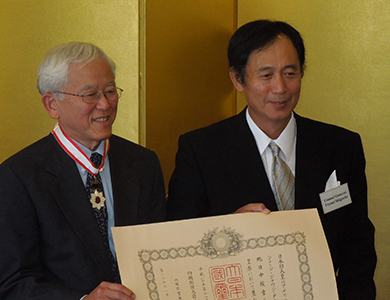
Japanese Government Honors Dr. George Tanabe with Imperial Order of the Rising Sun

On January 24 at a ceremony at the Honolulu Consulate General of Japan, University of Hawai‘i professor emeritus George J. Tanabe, Jr. was conferred with the Government of Japan’s Imperial Order of the Rising Sun, Gold Rays with Neck Ribbon, in honor of his contributions toward the strengthening of academic and cultural exchanges between the United States and Japan. The award recognizes his work in promoting Japanese culture and values through research and studies in Japanese religions.
Dr. Tanabe joined the faculty of the Department of Religion at UH Mānoa in 1977 and served as department chair from 1991 to 2001. Among his titles published by UH Press are Japanese Buddhist Temples in Hawai‘i: An Illustrated Guide, which he wrote and researched with his wife Dr. Willa Tanabe, and Practically Religious: Worldly Benefits and the Common Religion of Japan, co-authored with Ian Reader. He is also general editor for the Topics in Contemporary Buddhism series.
For more information on Dr. Tanabe’s accomplishments, read the announcement on the award issued by the Consulate General.
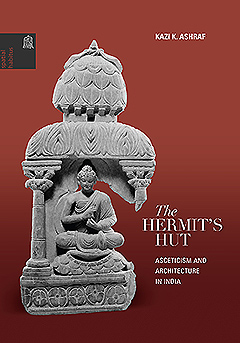
The Hermit’s Hut: Architecture and Asceticism in India
Although architecture continually responds to ascetic compulsions, as in its frequent encounter with the question of excess and less, it is typically considered separate from asceticism. In contrast, The Hermit’s Hut offers original insight and explores the rich and mutual ways in which asceticism and architecture are played out in each other’s practices. Relying primarily on Buddhist materials, author Kazi K. Ashraf provides a complex narrative that stems from the simple structure of the hermit’s hut, showing how the significance of the hut resonates widely and how the question of dwelling is central to ascetic imagination. In exploring the conjunctions of architecture and asceticism, he breaks new ground by presenting ascetic practice as fundamentally an architectural project, namely the fabrication of a “last” hut.
This innovative book weaves together the fields of architecture, anthropology, religion, and philosophy to offer multidisciplinary and historical insights. It will appeal to readers with diverse interests and in a variety of disciplines—whether one is interested in the history of ascetic architecture in India, the concept of “home” in ancient India, or the theme of the body as building.
November 2013 | 240 pages | 105 illustrations
ISBN: 978-0-8248-3583-5 | $50.00 | Cloth
Experimental Buddhism: Innovation and Activism in Contemporary Japan
Experimental Buddhism highlights the complex and often wrenching interactions between long-established religious traditions and rapid social, cultural, and economic change. Based on ethnographic fieldwork and archival research, it is one of the first studies to give readers a sense of what is happening on the front lines as progressive Buddhist priests try to reboot their roles and traditions to gain greater significance in Japanese society. The book profiles innovative as well as controversial responses to the challenges facing Buddhist priests.
The work’s central theme of experimental Buddhism provides a fresh perspective to understand how priests and other individuals employ Buddhist traditions in selective and pragmatic ways, frequently risking criticism from their peers, constituents, and high-ranking religious authorities. Using these inventive approaches during a time of crisis and transition for Japanese temple Buddhism, priests and practitioners from all denominations seek solutions that not only can transform their religious traditions but also influence society and their fellow citizens in positive ways.
November 2013, 11 illustrations
$60.00 ISBN: 978-0-8248-3833-1, Cloth
$32.00 ISBN: 978-0-8248-3898-0, Paper
Topics in Contemporary Buddhism