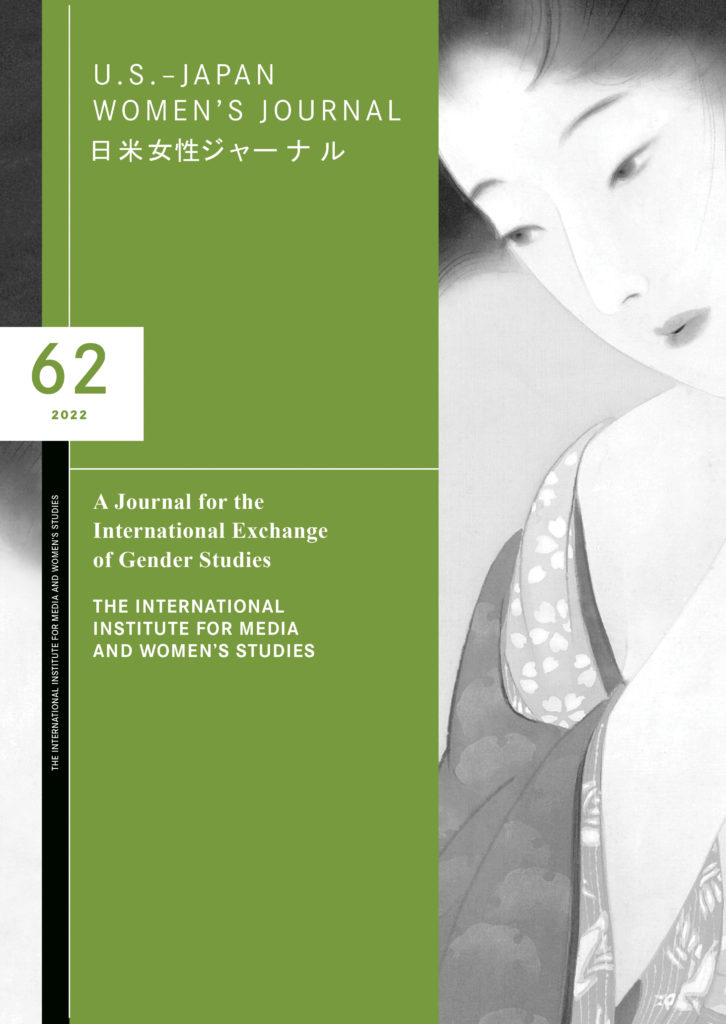




Free Special Issue: Celebrating 60+ Issues of U.S.-Japan Women’s Journal

A new digital-only special issue from U.S.-Japan Women’s Journal is now available free to readers on Project MUSE. 
“Celebrating 60+ Issues of U.S.-Japan Women’s Journal centers on three themes that often appear in the journal: mobility, storytelling, and activism. The journal is the world’s oldest periodical devoted to the study of gender and Japan and was founded in 1988 by Japanese feminists who were educated in the United States.

The issue brings together seven previously published articles of significance, which:

  • Profiles women from diverse backgrounds who worked abroad during different historical moments and changed how people in Japan, the United States, and France regarded each other 
  • Explores how cancer disrupts women’s life courses and relationships, including the first English translation of Ogino Anna’s quasi-autobiographical short story, “Nue / 鵺”
  • Analyzes the prevalent images of sweets and desserts in shōjo manga in how they symbolize power relationships and essentialize girls
  • Investigates the online feminist movement #KuToo, which disclosed exploitative workplace and political cultures and empowered women to try to change them

“All of these seven articles explain that, due to laws, social conventions, business practices, and other factors, women have faced different choices in work and family and different access to education, jobs, and politics than people of other genders. They show how women have coped with public and personal traumas, initiated movements for change and equality, and formed communities. They account for diversity among Japanese women and dispel stereotypes. They capture accounts omitted from historical records,” writes Alisa Freedman in the special issue’s introduction.

Alisa Freedman served as the the journal’s editor-in-chief from 2016-2022, is a professor of Japanese literature, cultural studies, and gender at the University of Oregon, and author of several books. She dedicates the commemorative issue to the journals’ previous editors: Drs. Yoko Kawashima, Noriko Mizuta, Sally A. Hastings, and Jan Bardsley.

Read the commemorative issue free on Project MUSE here.

Q & A with Editor in Chief of Pacific Science David Duffy

Photograph provided by David Duffy

David Duffy has been editor of Pacific Science since January of 2021, however he has articles published within the journal for over a decade including “Biology and Impacts of Pacific Island Invasive Species. 7. The Domestic Cat (Felis catus)” (Volume 66, Number 2) and “Has the Small Indian Mongoose Become Established on Kaua‘i Island, Hawai‘i?” (Volume 69, Number 4)Outside of Pacific Science, Duffy has authored more than 100 scientific publications and is the founding editor of the journal Waterbirds.

On the School of Life Sciences page for the University of Hawaiʻi at Mānoa, Duffy characterizes himself as “a jack of all trades having worked on seabirds, Lyme Disease, fish schooling, old growth forest, El Niño, and mapping biodiversity. Here in Hawaiʻi, I ran the Pacific Cooperative Studies Unit for two decades, bringing in over a quarter of a billion dollars to UH and helping to grow basic and applied conservation biology. I am continuing my studies of the Peruvian upwelling and Alaskan seabirds, editing Pacific Science, and trying to sustain and improve the research environment at UH.”

Below Duffy shares with UH Press what its been like these last two years as the editorial head for Pacific Science:

University of Hawai‘i Press: You took on the editor role starting with our January 2021 issue, not even a year into the pandemic.  What were some of the challenges you faced then, and is that still an issue with the creation of these articles and research now?

David Duffy: The last two years have been very rough on researchers who could not get to their study sites. They are now catching up, which means there will be a lag before they go to publish their results so we aren’t seeing as many submissions as before COVID-19.  Researchers are extra busy so many journals including ours are finding it is harder to get peers to review manuscripts to vet them for publication. 

UHP: How do you see Pacific Science having the most relevance, in the classroom or in the field?

DD: Pacific Science is more aimed at the working scientist but it continues to be useful as a classroom resource to introduce students to scientific writing.

UHP: Is there an issue or article you are particularly proud of?

DD: The next one! We want to keep getting better.

UHP: What is next for Pacific Science? Any special issues in the works? 

DD: We depend on workers sending us good papers of general interests to Pacific scientists. We will make the submission process as efficient as possible. We are also increasing our efforts to offer editorial support for those for whom English is not their first language. Finally we hope to produce a memorial volume honoring a scientist who played a major role in Pacific Science.

CALL FOR SUBMISSIONS:

Established in 1947, Pacific Science is an international, multidisciplinary journal reporting research on the biological and physical sciences of the Pacific basin. It focuses on biogeography, ecology, evolution, geology and volcanology, oceanography, paleontology, and systematics.

Manuscript submissions on topics such as Pacific biodiversity, conservation, and sustainability are also encouraged. In addition to publishing original research, the journal features review articles providing a synthesis of current knowledge. Please review the complete Author Guidelines, available online. Manuscripts can be submitted online here:

New: Journal of Polynesian Archaeology and Research

As the state celebrates Hawai‘i Archaeology Week (Sept. 26-Oct. 2), two non-profit organizations join forces to launch the Journal of Polynesian Archaeology and Research, an open-access title that will soon accept submissions for its inaugural issue.

For more than three decades, both the Society for Hawaiian Archaeology (SHA) and the Easter Island Foundation (EIF) have been committed to promoting research and dialogue on the archaeology of Polynesia. While distribution of previous publications was limited to members, this new journal will be published open-access and freely available to all readers. Distributed by the University of Hawai‘i Press, the journal will publish peer-reviewed research articles, commentaries, and reviews that are of relevance to stakeholders and practitioners of archaeology and related research in Polynesia.

The Journal of Polynesian Archaeology and Research will be co-edited by Dr. Mara Mulrooney (board member of the EIF and current president of SHA) and Dr. Jillian Swift (board member and publications chair of SHA). The two editors developed the new journal as a forum to bring together important research and conversations around archaeology, history, and heritage management in Polynesia that are of significant relevance to both organizations. The new journal also brings into alignment several shared goals of the EIF and SHA, which include:

  • Encouraging research and dialogue about Polynesian archaeology, historic preservation, and public outreach among researchers, heritage professionals, and other stakeholders
  • Encouraging public education and appreciation of the aims and limitations of archaeological research, particularly through ethical archaeological practices and collaborative work with communities
  • Advocating for and assisting with the preservation, interpretation, and respectful treatment of archaeological sites and material culture

“The Journal of Polynesian Archaeology and Research will continue the tradition of publishing cutting-edge results of archaeological research in Hawai’i and throughout Polynesia, as well as providing a forum for discussion and debate regarding archaeological practice in the region,” notes Professor Patrick V. Kirch of UH Mānoa. Kirch has been involved with both of the organizations’ previous publications as a previous Editor and Editorial Board Member, and will serve on the Editorial Board for the new journal. “I expect that the Journal will be an essential resource for both scholars and the engaged public.”

This fall, the editors will review manuscripts through the journal submission system (forthcoming), and in 2023 the first issue will be published on eVols, the University of Hawai‘i’s open-access, digital institutional repository for both the university community and researchers around the world.

The Journal of Polynesian Archaeology and Research will replace two journals that will cease publication, Hawaiian Archaeology (published by SHA) and Rapa Nui Journal (published by UH Press in collaboration with the EIF). Over the past 30 years, Rapa Nui Journal published more than 33 volumes and Hawaiian Archaeology published 15 volumes and four special publications. The archive of both publications will also be freely available via eVols.

For more information, visit uhpress.hawaii.edu/title/jpar

About the Easter Island Foundation

The Easter Island Foundation was founded in 1989 with the aim of creating a library on Rapa Nui (Easter Island) to house the collections of anthropologist William Mulloy and to encourage study and research about the island. The Foundation’s mission is to work towards the conservation and protection of Rapa Nui and its history, culture, and environment.  Its scholarship program annually provides assistance to college students of Rapanui ancestry to help with their educational costs. Additionally, the Foundation works to promote, stimulate, and disseminate research on Rapa Nui and other Polynesian islands by members of scientific, historical, and cultural disciplines.

About the Society for Hawaiian Archaeology

Founded in 1980, the Society for Hawaiian Archaeology’s mission is to promote and stimulate interest and research in the archaeology of the Hawaiian Islands through an annual conference, workshops, and other networking opportunities for its membership. It also seeks to serve as a bond among those interested in Hawaiian archaeology, both professionals and non-professionals, and aid in directing their efforts into more scientific channels as well as encourage the publication of their results.

Working Out What to Wear in Papua New Guinea + Other Journal Articles for #FashionWeek 

In recognition of Fashion Week in New York, Milan, Paris, and London this month, we showcase the following journals, articles, and reviews. Fashion sets trends, makes a statement, and has a huge impact on industry and innovation in today’s world. We invite you to explore the following journal content:

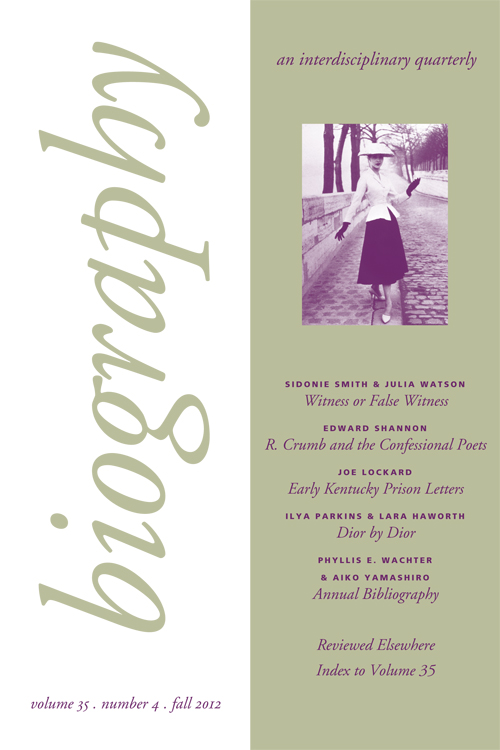
bio 35-4

biography

Volume 35, Number 4 (2012)

The Public Time of Private Space in Dior by Dior
Ilya Parkins and Lara Haworth

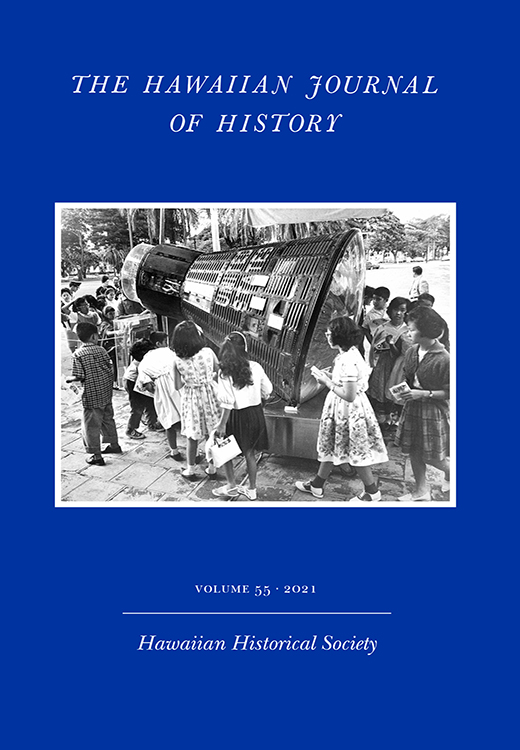
HJH 55

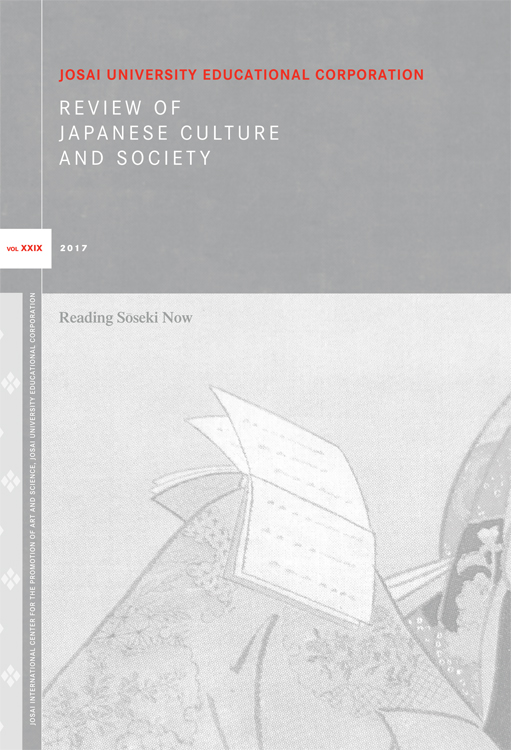
Review of Japanese Culture and Society

Volume 29 (2017)

Report: From “Do It Yourself” to “Do It With Others” to “Do It For Others”—Can Fashion Be Renewed? Forum
Mizuno Daijirō, Kanemori Kaori, Takeuchi Akira, Nagai Kōsuke, Narumi Hiroshi, and Yoonkyung Kim

Honoring David L. Rolsten, Sonic Narratives in Modern Korea  + Girls in Japanese Literature

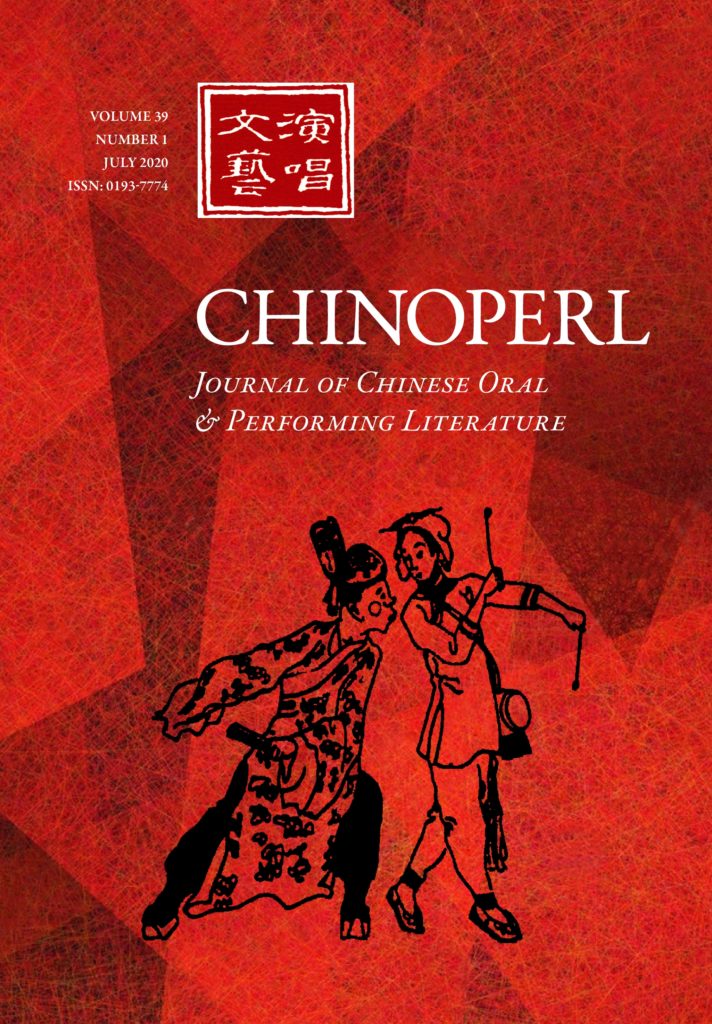
CHINOPERL

Volume 41, Number 1 (2022)

Special Issue: Honoring David L. Rolston

Associate Editor Catherine Swatek and Editorial Board Member Robert E. Hegel remember Rolston in the following introduction:

Given his publication record, one might assume that David L. Rolston is a scholar of narrative fiction. For his first major publication, David served as editor of How to Read the Chinese Novel, a milestone in providing English-language readers a glimpse of reading practices and practical criticism contemporaneous with Ming and Qing novels themselves. Not merely the compiler of the translations that comprise six of the book’s seven chapters, David’s work can be seen throughout the volume, from adding innumerable notes and explanations to the “How to Read” (dufa讀法) translations; to writing essays on the sources, history, and formal aspects of traditional fiction criticism; to compiling explanatory appendices and an extensive bibliography for each of the masterworks covered. This project was completed before David finished his Chicago doctorate.

Find more special features and articles at Project MUSE.
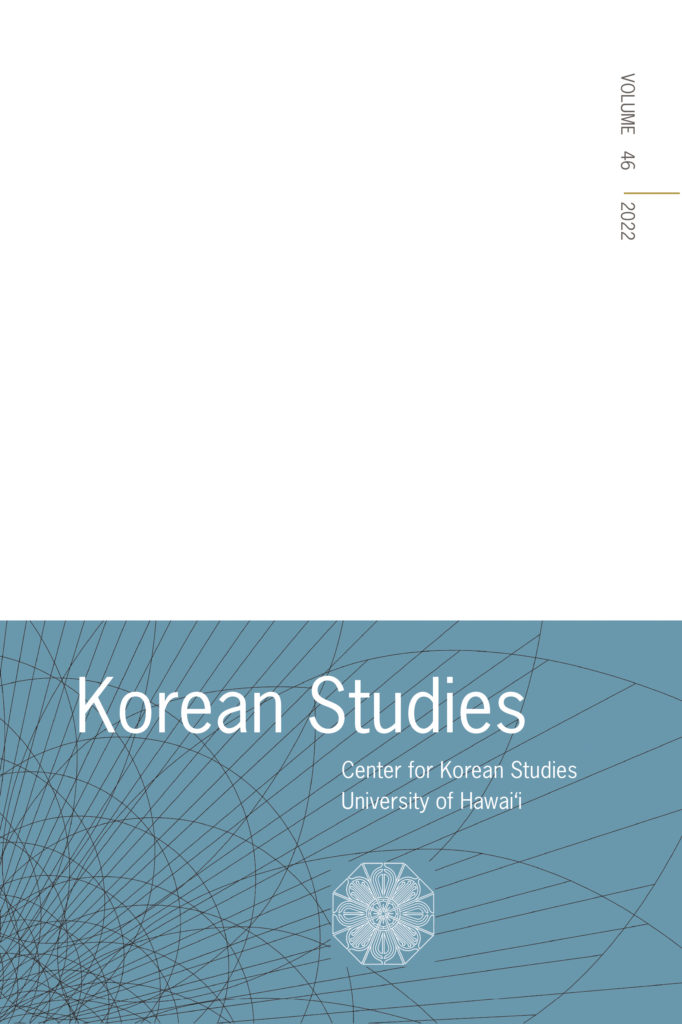
Korean Studies 46 (2022)

Korean Studies

Volume 46, Number 2 (2021)

Special Section: “Music That Moves: Sonic Narratives in Modern Korea”

This Special Section features discussion on 1960’s protect songs to K-pop idols. Editor Cheehyung Harrison Kim notes:

Culture is at once a medium through which we make sense of the
world (for good or ill), a field of empowerment for the underprivileged, and a source of hegemony for the state and corporations. This cultural complexity is discernible in South Korea’s current political landscape, and it is also the very theme explored in this volume’s Special Section “Music That Moves: Sonic Narratives in Modern Korea,” dexterously guest edited by Dafna Zur and Susan Hwang. In Katherine Lee’s elegant piece on the World Vision Korean Orphan Choir, musical performance is at the heart of transnational religiosity and Cold War politics. Transnationalism is also the framework of Dafna Zur and Yoon Joo Hwang’s original research on children’s music during the colonial period, when the merger between western style of songwriting and Korean emotionality unevenly transpired in the genre of tongyo. Music as a field of popular resistance is the core of Pil Ho Kim’s audacious piece on South Korea’s 1960s protest songs, which, for Kim, is a pre-minjung expression of the multitude. Susan Hwang’s emotionally prodigious article, too, is on the resistive and resilient aspect of music, which, in the aftermath of the 1980 Kwangju Uprising, served as a crucial repertoire for the counter-state. From the opposite side, music as practice of hegemonic efficacy is dealt with in Alexandra Leonzini and Peter Moody’s intricate article on North Korea’s sonic culture, as it is done in Roald Maliangkay’s perspicacious study on South Korea’s use of K-pop in marketing. Whether the hegemonic entity is the state or a corporation, music is, in these two articles, a potent medium of influence.

Find more special features and articles at Project MUSE.
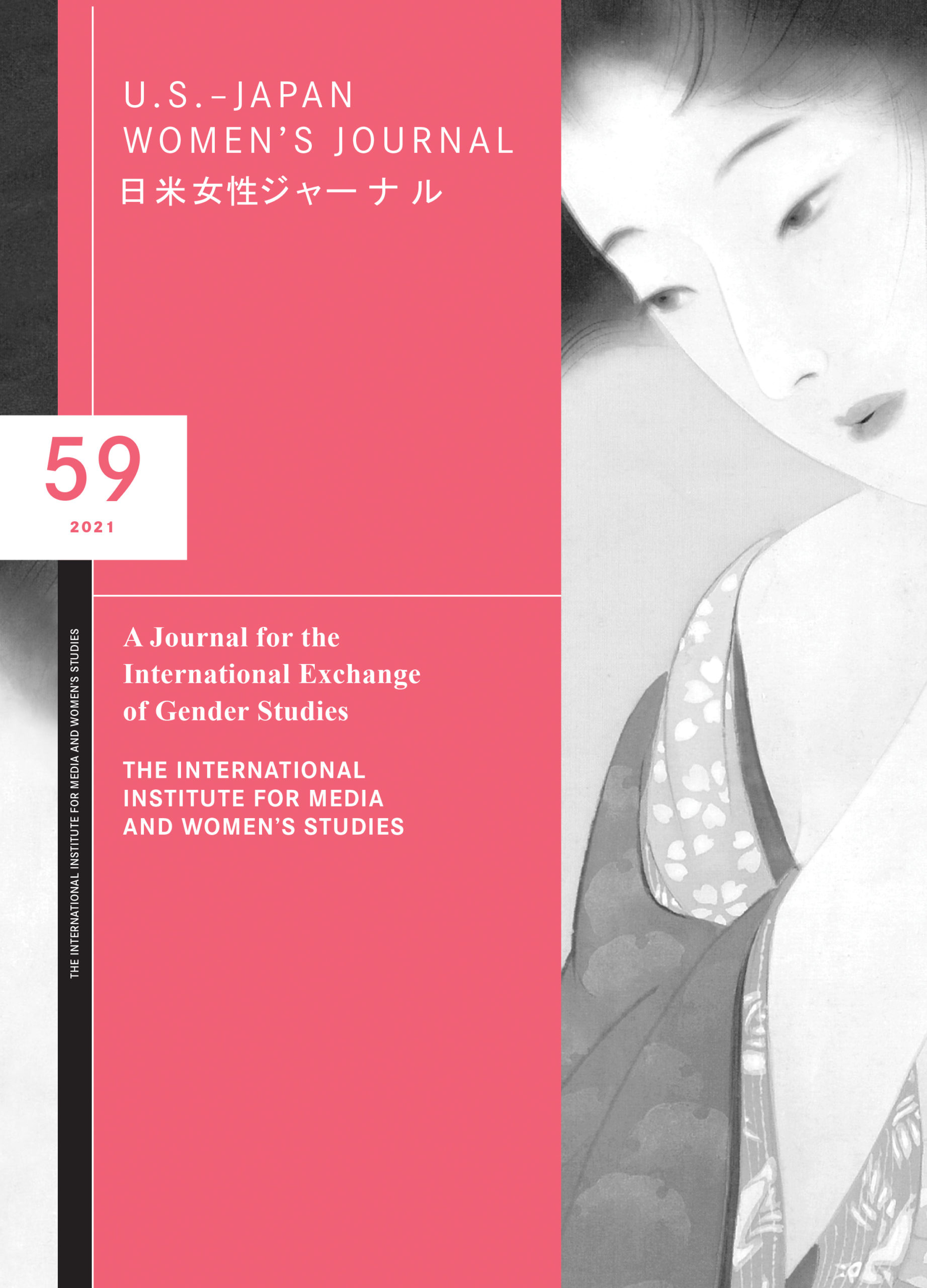
USJWJ62

U.S. Japan Women’s Journal

Volume 62 (2022)

Special Issue: Girls and Literature

As expressed by authors Hiromi Tsuchiya Dollase and Wakako Suzuki in the introduction:

The literary genre shōjo shōsetsu emerged in conjunction with the rise of girls’ education in the Meiji period. Early stories were meant to educate readers to become “good wives and wise mothers.” Accordingly, shōjo shōsetsu endured restrictions on the narratives they could tell, limiting the breadth of their authors’ artistic and literary possibilities. Shōjo shōsetsu evolved and diversified in the postwar era and, especially starting in the 1980s, became a means for young female authors to empower themselves. Shōjo shōsetsu have declined in popularity recently as readers consume stories more broadly across media and genres. The goal of this special issue is to contemplate the function, meanings, and problems of shōjo shōsetsu. Instead of merely confining ourselves to a rigid, unified notion of shōjo shōsetsu, we consider shōjo characters from the wider literary world, investigating their roles, functions, and cultural implications.


The new issue includes the following articles:

Introduction: Girls and Literature
イントロダクション:少女と文学

Hiromi Tsuchiya Dollase and Wakako Suzuki

Trees That Grow Kimono (1895)
着物のなる木

Wakamatsu Shizuko 若松賤子
Translated by Wakako Suzuki

Kawabata Yasunari’s The Scarlet Gang of Asakusa as the
Territory of the Dispossessed Girl

追い立てられた少女の領域としての『浅草紅団』
Barbara Hartley

Love and Sexuality in Postwar Girls’ Culture: Examining
Tomishima Takeo’s Junior Fictiona
戦後少女文化における恋愛と性愛:富島健夫の

ジュニア小説をめぐって
Hiromi Tsuchiya Dollase

Countdown to the Demise of Girls’ Novels
少女小説のカウントダウンの開始

Kume Yoriko 久米依子
Translated and Introduced by Barbara Hartley

Find more articles at Project MUSE.
New MĀNOA Anthology Offers Unprecedented Collection of Cambodian Literature

Out of the Shadows of Angkor is a groundbreaking collection of prose, poetry, performance pieces, and visual art that emerges from a thirty-year effort of five guest editors to gather and champion Cambodian literary and cultural works. 

In the nearly 400-page MĀNOA volume, this anthology features rare works translated into English for the first time, and has also helped to rescue writing lost during the Khmer Rouge regime (1975–1979). Beautifully designed, Out of the Shadows of Angkor is an outstanding selection of Cambodian writing from the past and present.

Out of the Shadow of Angkor also features the stunning paintings of Theanly Chov from his Surviving series, which capture the future-forward dreams of many Cambodians today. 

Guest editors: Sharon May, Christophe Macquet, Trent Walker, Phina So, Rinith Taing

Series editor: Frank Stewart

Editor Q&A: Cambodian Writing Through the Ages 

Editors of Out of the Shadows of Angkor. Top row, L to R: Sharon May, Christophe Macquet, Trent Walker Bottom row: Rinith Taing, Phina So, Frank Stewart Photo courtesy of: Trent Walker
Editors of Out of the Shadows of Angkor. Top row, L to R: Sharon May, Christophe Macquet, Trent Walker. Bottom row: Rinith Taing, Phina So, Frank Stewart. Photo courtesy of Trent Walker.

Cambodian writers have been recording their literary gifts for over a millennium and a half. Yet very little Cambodian literature originally composed in Khmer, Sanskrit, or French is available in English. Our anthology seeks to change that,” say guest editors Trent Walker and Sharon May. In this Q&A, Walker and May tell us how this book came together. 

Out of the Shadows of Angkor in Your Classroom

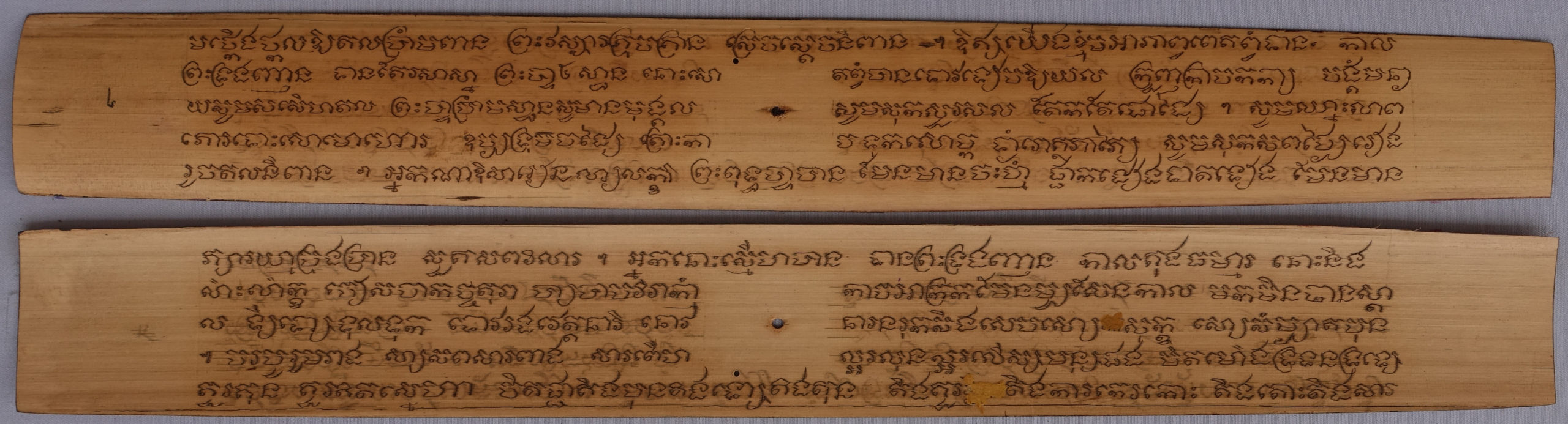
Inscription of a "dharma song" Hymn to the Buddhaʻs Feet. The poem is traditionally chanted with complex melodies in Cambodian rituals. Photo courtesy of Trent Walker.
Inscription of a “dharma song” Hymn to the Buddhaʻs Feet. The poem is traditionally chanted with complex melodies in Cambodian rituals. Photo courtesy of Trent Walker.

Educators considering teaching from this landmark collection may have students from Cambodia or Southeast Asia and its diasporas, or students in a global literature course. The works in Out of the Shadows of Angkor may either stand alone or be read alongside other works of literature from the region of Southeast Asia.  

The University of Hawai‘i Press offers examination copies upon request, as well as complimentary desk copies for educators who order 10 or more copies for their classrooms. 

Learn more about our Desk and Exam Copy here.

Out of the Shadows of Angkor: Cambodian Poetry
MĀNOA Vol. 33 Issue 2 & Vol. 34 Issue 1 (2022)

Out of the Shadows of Angkor

Read free on Project MUSE:

On Cambodian American Writers

by Sokunthary Svay

A Small Request

by Khun Srun, Christophe Macquet, Sharon May

Subscribe to MĀNOA

All MĀNOA subscribers will receive the issue, Out of the Shadows of Angkor, upon print publication in September 2022 and an additional volume on Burmese literature in Winter 2022. A one-year, individual subscription costs $35.

Order Out of the Shadows of Angkor

Order your copy on Amazon for $25. Shipping begins in September 2022. 

Editor Q&A: Celebrating Cambodian Poetry, Prose, and Performance in New Landmark Anthology

Editors Sharon May and Trent Walker on Out of the Shadows of Angkor, the newest title from Mānoa journal, that publishes this month.

Out of the Shadows of Angkor, the newest title from MĀNOA, emerges from the thirty-year effort of a community seeking to bring together Khmer works of literature. In doing so, they not only translated rare works into English for the first time, but also helped to salvage, reconstruct, and resuscitate parts of books destroyed by the Cambodian Civil War. This issue represents a selection of what has been achieved. 

Readers will find in this volume: a comprehensive range of Khmer works over 1400 years; translations of classical texts in ancient script; selections of modern Cambodian poetry, prose, and folk theater; and contemporary writings by Cambodian refugees and children of the diaspora living in countries from Australia to the U.S., Canada, and Europe. This is a companion volume to In the Shadow of Angkor (2004).

Below, guest editors Trent Walker and Sharon May tell us about how this book came together. 

_________________________________________________________

Editors of Out of the Shadows of Angkor. Top row, L to R: Sharon May, Christophe Macquet, Trent Walker Bottom row: Rinith Taing, Phina So, Frank Stewart  Photo courtesy of: Trent Walker
Editors of Out of the Shadows of Angkor. Top row, L to R: Sharon May, Christophe Macquet, Trent Walker. Bottom row: Rinith Taing, Phina So, Frank Stewart. Photo courtesy of Trent Walker.

University of Hawai‘i Press: What was the inspiration for this issue?

Trent Walker and Sharon May, Editors: Cambodian writers have been recording their literary gifts for over a millennium and a half. Yet very little Cambodian literature originally composed in Khmer, Sanskrit, or French is available in English. Our anthology seeks to change that by joining a plethora of original literary translations of Cambodian texts with works composed in English by members of the global Cambodian diaspora. 

UHP: What is the book essentially about?

Editors: Out of the Shadows of Angkor unites the work of 33 different authors across fourteen centuries of Cambodian history. Their poems, short stories, novels, and essays are paired with a range of anonymous texts from the seventh century to the present, including inscriptions, oaths, chants, songs, epics, folk tales, and theater. Nineteen different translators make these works shine in English, offering accessible notes that frame these Cambodian compositions for a wide audience. A special emphasis on twentieth- and twenty-first-century writers, including those across four continents of the diaspora, showcases the present and emerging future of post-Khmer Rouge literature both inside and outside Cambodia.

UHP: Who was involved, and what was the process like of putting it together?

Editors: Sharon May, guest editor of In the Shadow of Angkor, a smaller but path-breaking 2004 anthology of contemporary Cambodian literature published by MĀNOA and University of Hawai‘i Press, brought together a team of four fellow guest editors over the course of over a decade. The guest editors—Phina So, Rinith Taing, Christophe Macquet, and Trent Walker, along with Sharon—have each long been leaders in advocating for Cambodian writers, literature, and publishing. We relied on each other’s strengths and on wide networks of literary friendships in Cambodia and beyond to bring the project to completion.

UHP: Tell us about the title. What’s the story of how you came to this title?

Editors: The title of the first volume, In the Shadows of Angkor, arose when Sharon was brainstorming with her friend Bhavia Wagner; Cambodian literature has long been in the shadows of the great temples and the tragedies of war, at least in the eyes of the West. As a considerably larger, non-overlapping companion volume to that 2004. MĀNOA anthology, Out of the Shadows of Angkor celebrates Cambodian poetry, prose, and performance emerging onto the world stage. Outside of the Khmer diaspora, Anglophone readers are still likely to only know Cambodia for the horrors of the Khmer Rouge or the splendors of Angkor Wat. Our book presents for the first time in English the vast spectrum of Cambodian writing through the ages—by turns joyous and tragic, pithy and elegant, tender and whip-smart. 

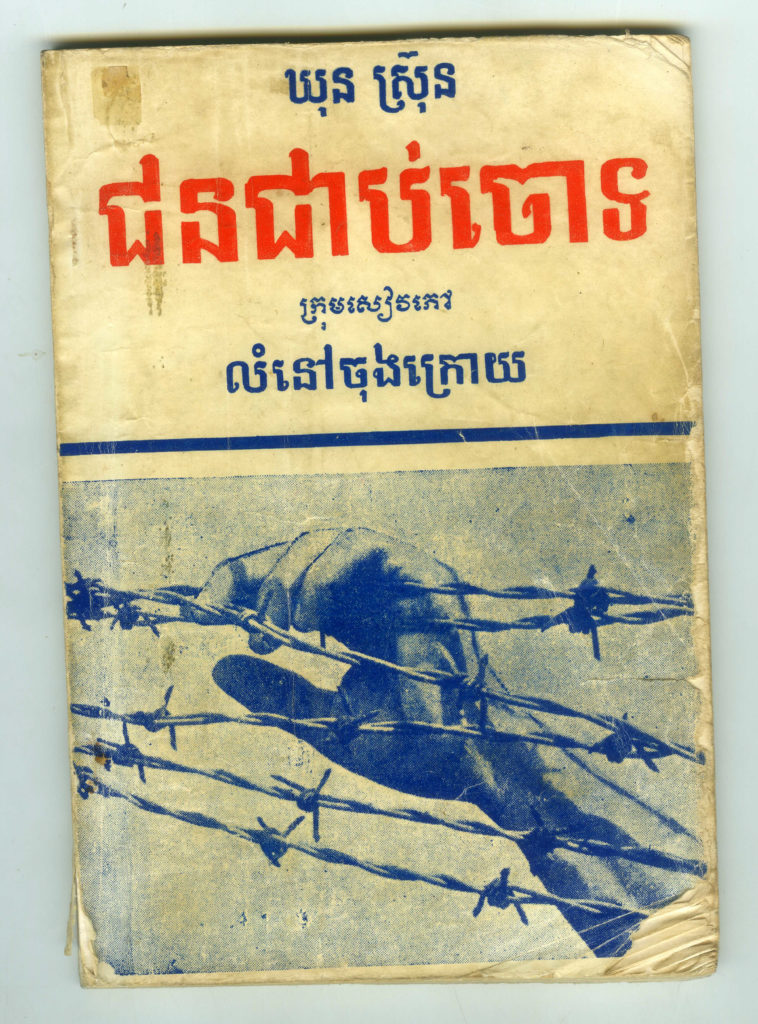
The Accused (1973), an account of imprisonment by Khun Srun, is nearly impossible to find in Cambodia today. An English translation of the excerpt can be found in Out of the Shadows of Angkor.  Photo courtesy of: Sharon May
The Accused (1973), an account of imprisonment by Khun Srun, is nearly impossible to find in Cambodia today. An English-translated excerpt can be found in Out of the Shadows of Angkor. Photo courtesy of Christophe Macquet.

UHP: What are some highlights of the issue? What should readers not miss?

Editors: The foreword by Vaddey Ratner and a special preface on Cambodian American writers by Sokunthary Svay set the tone for the book. Indradevi’s “In Praise of Sister Queens,” one of the oldest known works by a female author in Southeast Asia, and Brah Rajasambhar’s sixteenth-century poem, “My Soul of Gold,” long thought lost, anchor the classical section. Khun Srun’s “A Small Request” as well as excerpts from his novel The Accused cement his reputation as one of most insightful writers from the 1960s and ‘70s. Extracts from works by Nou Hach, Soth Polin, and Ty Chi Huot showcase the treasures of modern Khmer fiction. Poets ranging from Chey Chap and Pich Tum Kravel in Cambodia to Prince Amrindo Sisowath and Khau Ny Kim in France are also featured. Diasporic voices shine throughout: Maria Hach’s brilliant essay, “An Archive of Haunting,” especially in conversation with pieces by Boreth Ly and Elizabeth Chey, reveals powerful connections linking war, memory, and the arts. In the closing section on performance, the genius of Kong Nay, the country’s most famous living bard, comes to life through an extended interview as well as his bawdy lullaby, “An Elephant Rocks Its Trunk.” Throughout the issue, don’t miss the stunning paintings of Theanly Chov from his Surviving series, which capture the future-forward dreams of many Cambodians today. 

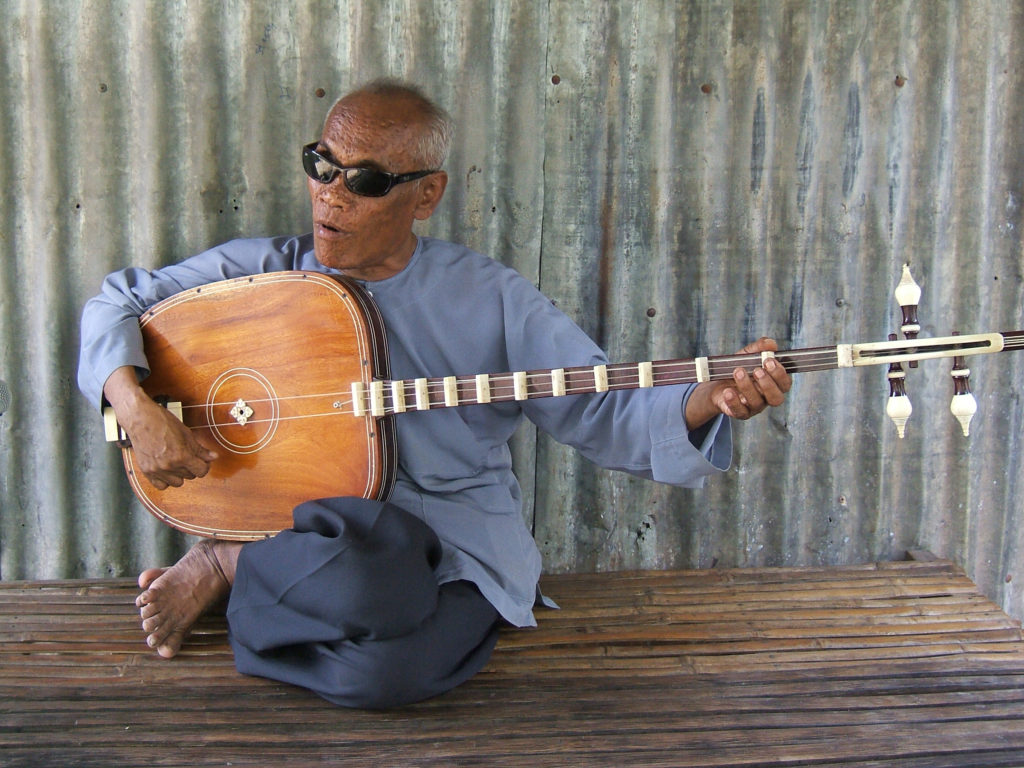
Kong Nay, Cambodia's most famous living bard, playing the chapei dang veng, a traditional Cambodian long-necked lute in his home in 2008.   Photo courtesy of: Sharon May
Kong Nay, Cambodia’s most famous living bard, playing the chapei dang veng, a traditional Cambodian long-necked lute in his home in 2008. Photo courtesy of Sharon May.

UHP: Is there anything else that you’d like to share?

In addition to classical Cambodian literature that has never before been translated into English, this book presents writing that was nearly lost during Cambodia’s civil war, the Khmer Rouge regime, and its aftermath. When Sharon first began work on the previous volume, In the Shadow of Angkor, an American journalist told her, “Cambodians can’t write.” We hope that this new volume, Out of the Shadows of Angkor, shows that they most certainly can, and have done so for centuries with humor, wisdom, beauty, and depth.

_________________________________________________________

Trent Walker is a postdoctoral fellow of the Ho Center for Buddhist Studies at Stanford University and a specialist in the manuscripts and chanting practices of mainland Southeast Asia. 

Sharon May worked for Columbia University’s Center for the Study of Human Rights—living and working in Cambodia while researching the Khmer Rouge regime—and was a Wallace Stegner Fellow in fiction at Stanford University.

Out of the Shadows of Angkor: Cambodian Poetry
MĀNOA Double Issue Vol. 33 Issue 2 and Vol. 34 Issue 1 (2022)

Out of the Shadows of Angkor

Read free on Project MUSE:

On Cambodian American Writers

by Sokunthary Svay

A Small Request

by Khun Srun, Christophe Macquet, Sharon May

Subscribe to MĀNOA

All MĀNOA subscribers will receive the issue, Out of the Shadows of Angkor, upon print publication in September 2022 and an additional volume on Burmese literature in Winter 2022. A one-year, individual subscription costs $35.

Order Out of the Shadows of Angkor

Order your copy on Amazon for $25. Shipping begins in September 2022. 

Special Features: Korean LGBTQ+ Literature, Remembering Linguists Robert Andrew Blust and Thomas Edward Dutton and more

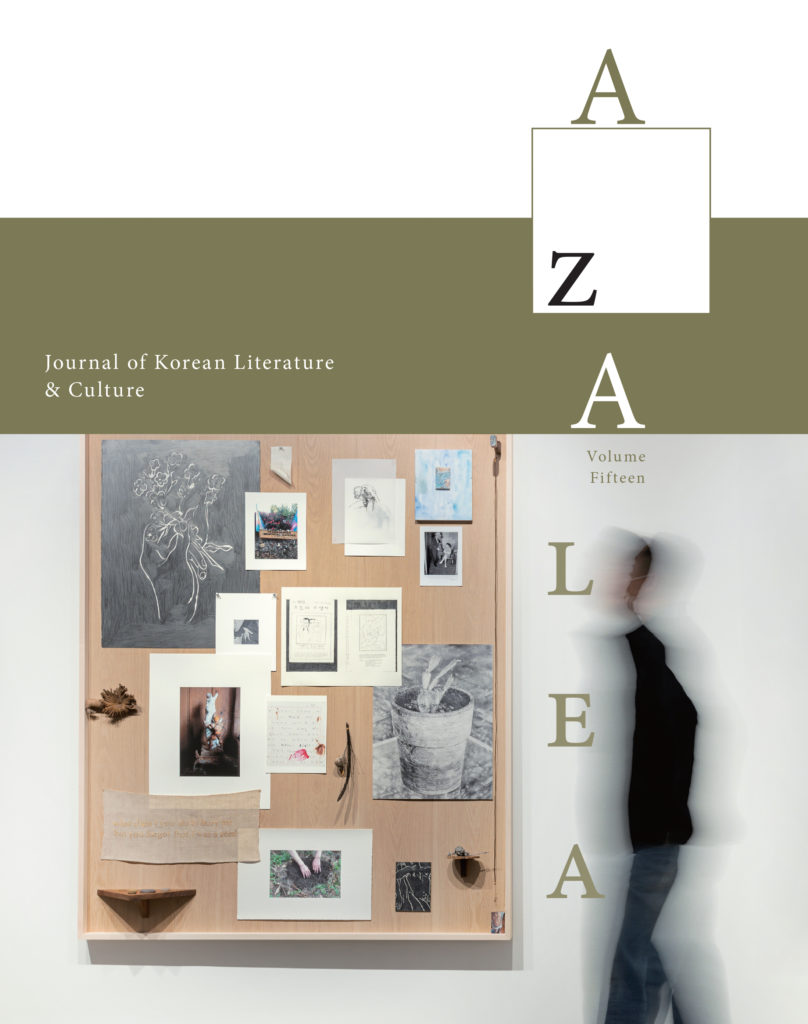
Azalea

Volume 15 (2022)

From the editor Young-Jun Lee:

A century’s worth of change looks quite remarkable in Korean literature. Today’s young Koreans cannot read the same newspapers read by their grandparents’ generation. In less than a hundred years, the national written language has shifted from Chinese characters to Korean hangul, then briefly to Japanese as enforced under colonial rule, and then to the modern Korean language that we know today. During this process, remarkable sociocultural transformations dominated daily life. Over the first half of the 20th century, Koreans endured enormous political shifts most notably marked by colonization, the Korean War, and the ensuing divide of the country into separate political nations. Along the way, Korean literature registered these upheavals and fluctuations.

Notably, the literature of totalizing grand narrative, which concerned itself with the trajectory of nation-building, persisted in Korea until the 1980s. Ever since the end of the military dictatorship and the establishment of a civil government in the 1990s, however, that literature began to shift its focus to the lives of women. Now, those long ignored and marginalized—including queer women, as well as other queer people such as those who are non-binary— have also begun to emerge more strongly as published authors, even as they have been increasingly centered as subjects of literary narratives. The ongoing impact of this inclusive, expansionary shift
can be seen directly in AZALEA’s decision to focus on LGBTQ+ literature for its fifteenth issue.

Find more poetry, fiction, graphic shorts, and images at Project MUSE.
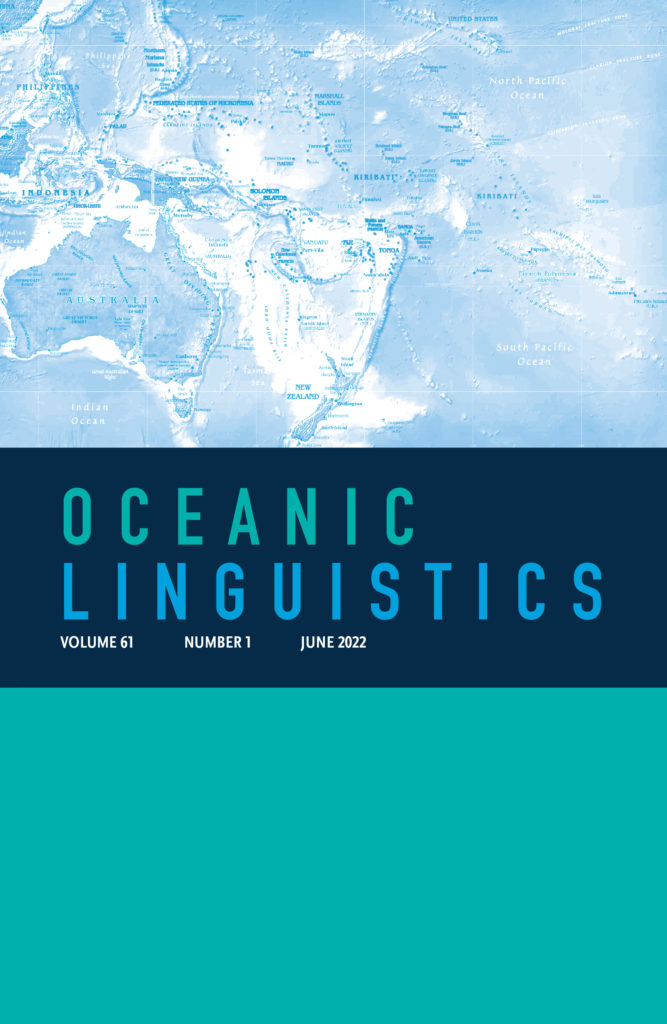
Oceanic Linguistics

Volume 61, Number 1 (2022)

The new issue includes the following articles and reviews:

The Place of Space in Oceanic Linguistics
Leah Pappas and Alexander Mawyer

Semantics and Pragmatics of Voice in Central Malagasy Oral Narratives
Penelope Howe

On the Nature of Proto-Oceanic *o in Southern Vanuatu (and Beyond)
John Lynch

Rare, but Real: Native Nasal Clusters in Northern Philippine Languages
Robert Blust

The Greater West Bomberai Language Family
Timothy Usher and Antoinette Schapper

The Phonology and Typological Position of Waima’a Consonants
Kirsten Culhane

Find more research articles, squibs, and reviews at Project MUSE.
New Journal Issues: Aloha Shirt Aesthetics, Patterns of Mortuary Practice in Vanuatu, Taiwan Sugar in the 1600s + More

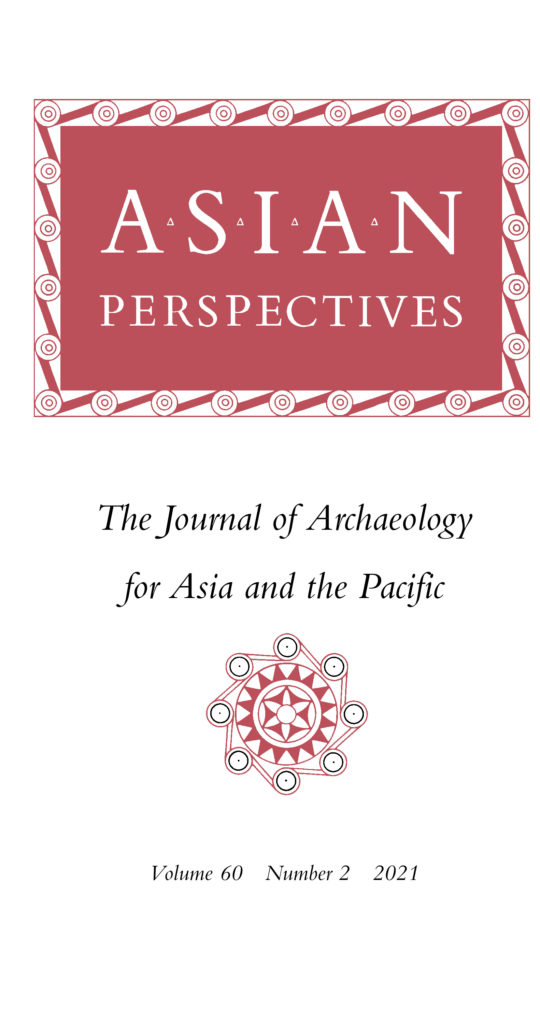
Asian Perspectives

Volume 61, Number 1 (2022)

The new issue includes the following articles and reviews:

Lakheen-Jo-Daro, an Indus Civilization Settlement at Sukkur
in Upper Sindh (Pakistan): A Scrap Copper Hoard and
Human Figurine from a Dated Context

Paolo Biagi and Massimo Vidale

The Hamin Mangha Site: Mass Deaths and Abandonment
of a Late Neolithic Settlement in Northeastern China

Yawei Zhou, Xiaohui Niu, Ping Ji, Yonggang Zhu, Hong Zhu, and
Meng Zhang

Early Metal Age Settlement at the Site of Palemba, Kalumpang,
Karama Valley, West Sulawesi

Anggrreani

Patterns of Mortuary Practice over Millennia in Southern Vanuatu,
South Melanesia

Frédérique Valentin, Wanda Zinger, Alison Fenwick, Stuart Bedford,
James Flexner, Edson Willie, and Takaronga Kuautonga

Find more research articles and reviews at Project MUSE.

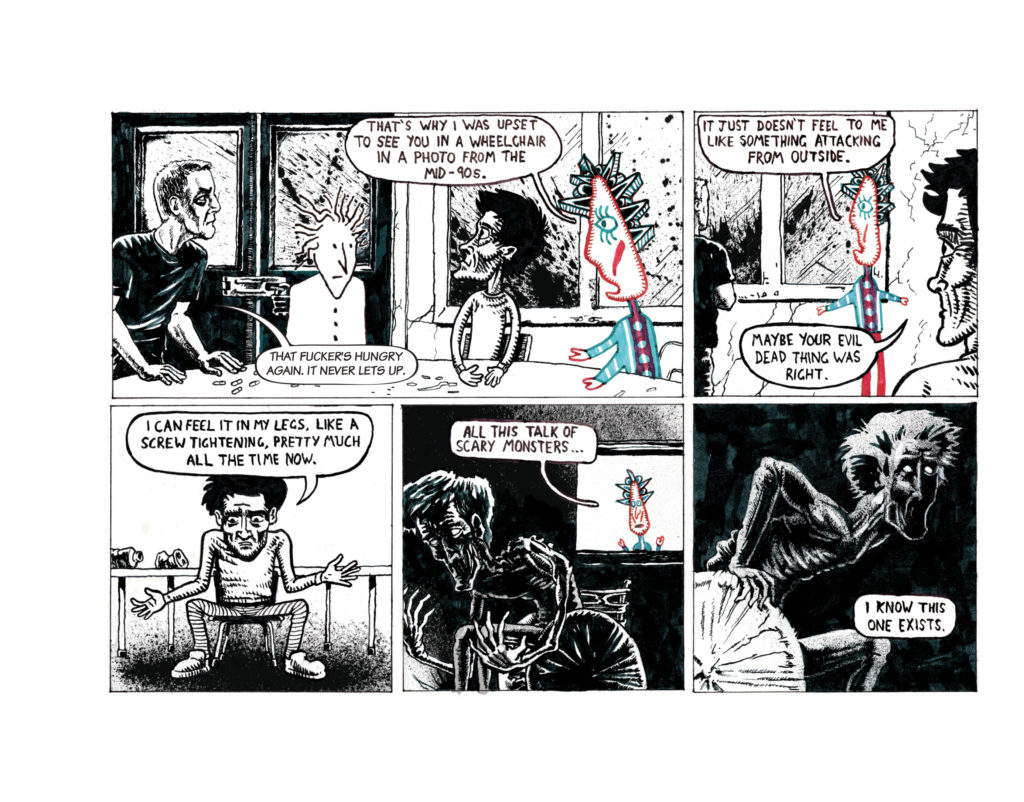
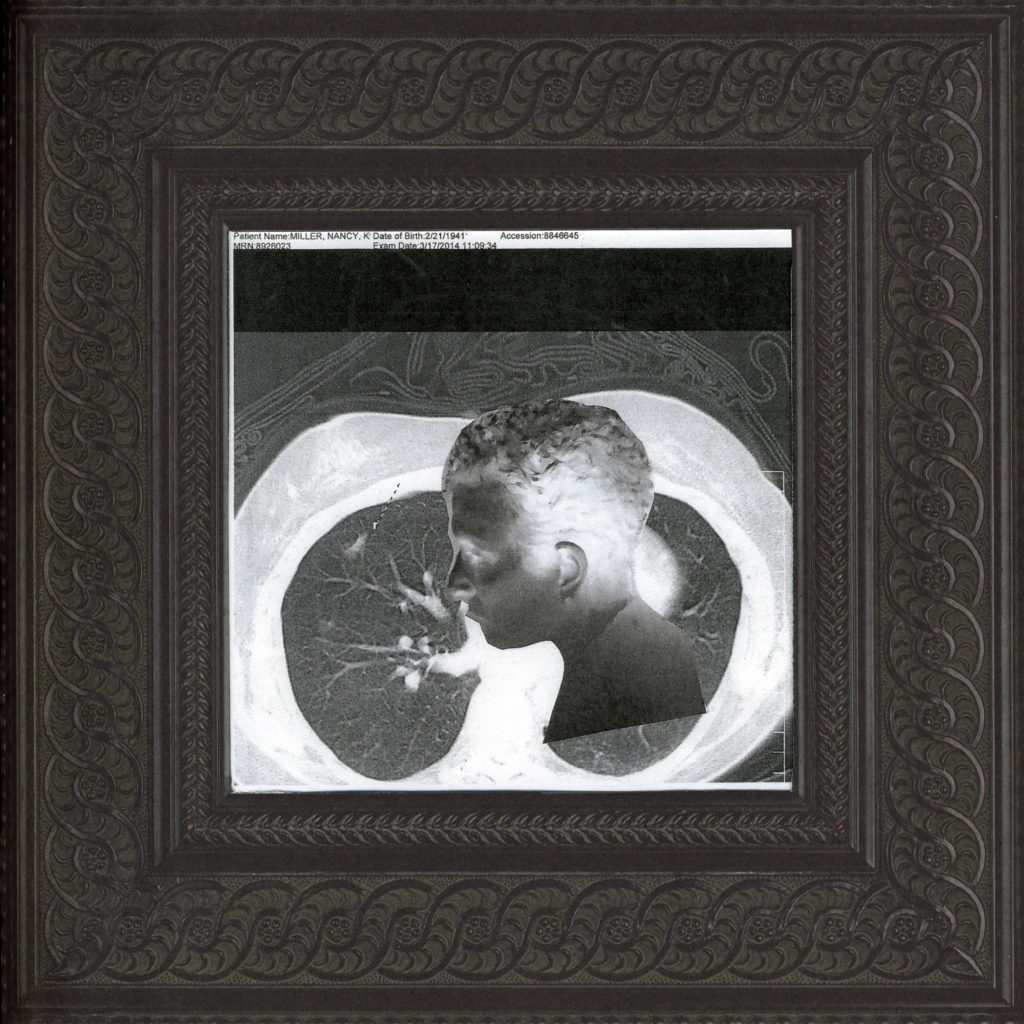
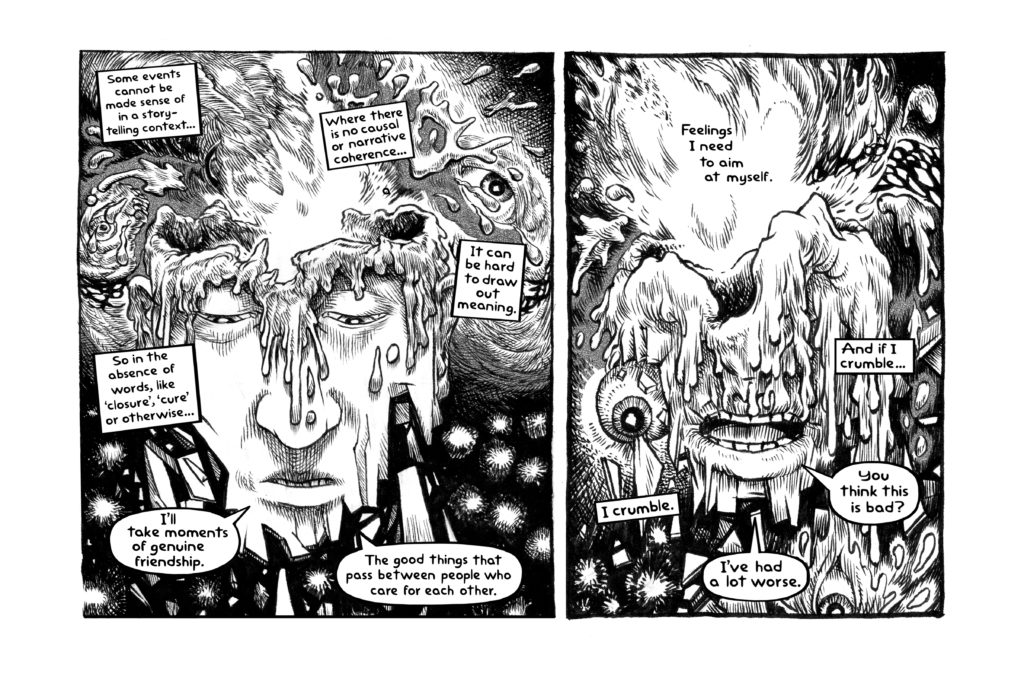
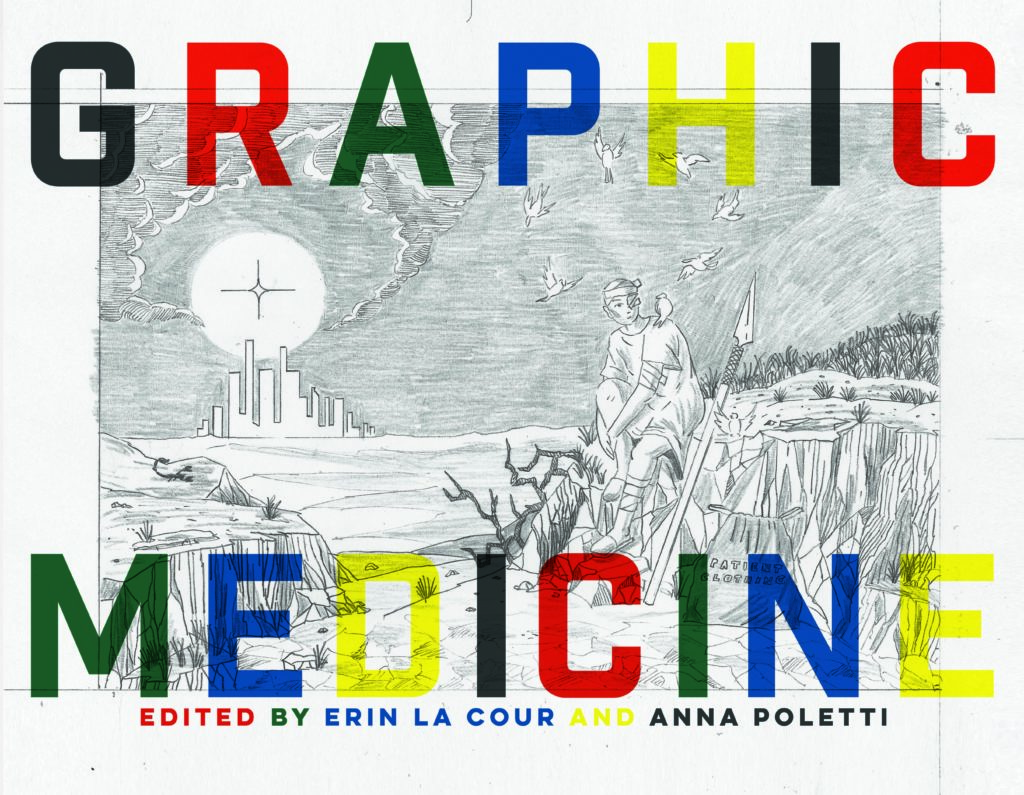
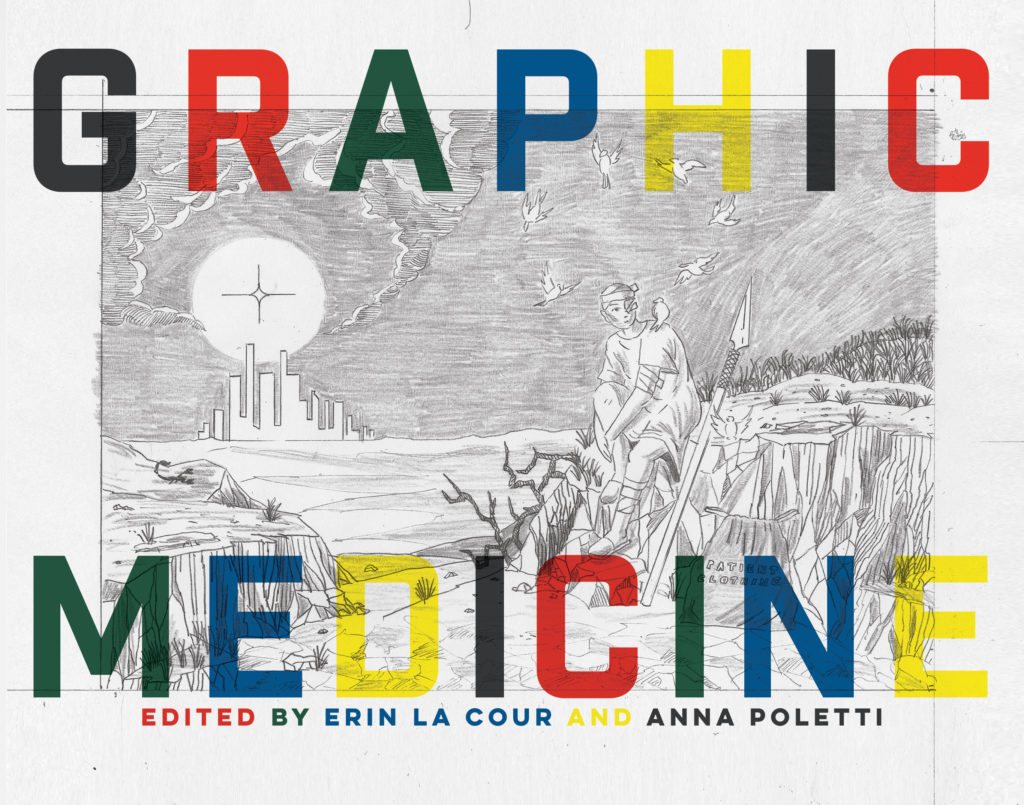
Biography

Volume 44, Issues 2 & 3 (2021)

Special Double Issue: Graphic Medicine

Graphic Medicine’s Possible Futures: Reconsidering Poetics and Reading
Erin La Cour and Anna Poletti

Conflict or Compromise?: An Imagined Conversation
with John Hicklenton and Lindsay Cooper about
Living with Multiple Sclerosis

John Miers

Out of Sync: Chronic Illness, Time, and Comics Memoir
Jared Gardner

Face as Landscape: Refiguring Illness, Disability,
and Disorders in David B.’s Epileptic

Erin La Cour

Graphic Confessions and the Vulnerability Hangover
from Hell

Safdar Ahmed

Drawn to History: Healing, Dementia, and the Armenian
Genocide in the Intertextual Collage of Aliceheimer’s

Crystal Yin Lie

Find more at Project MUSE.

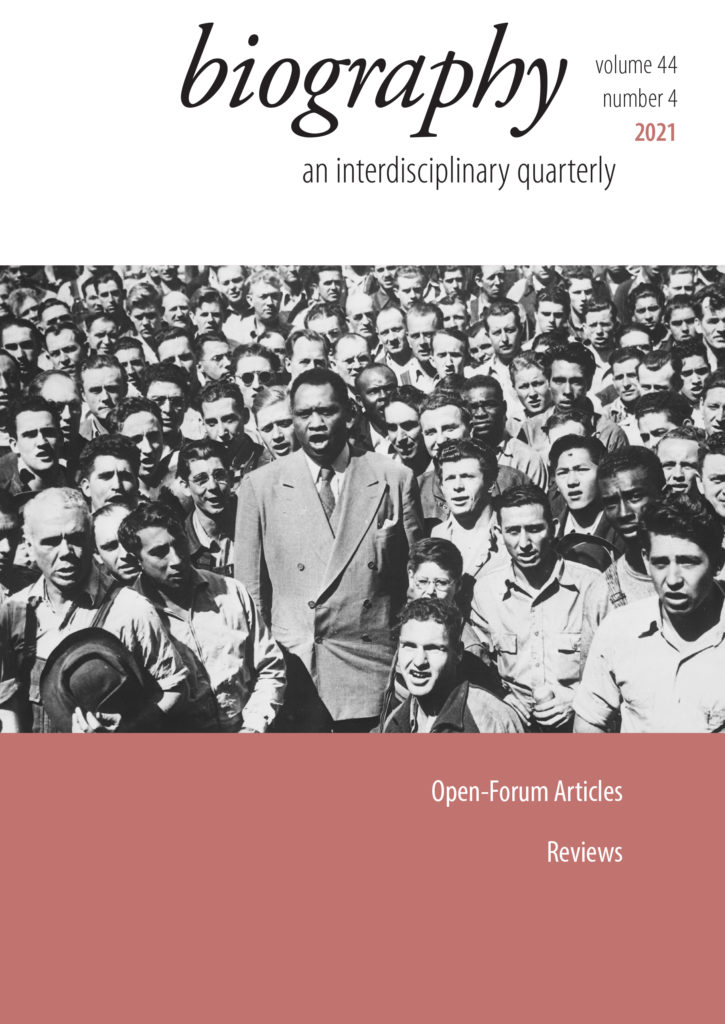
Biography

Volume 44, Issue 4 (2021)

Open Forum Articles
Reviews

Editor Craig Howes embraces this volume as he explains:
“The latest issue of Biography qualifies as special because of its ordinariness. After a four-installment run featuring two special issues, an inaugural Forum, and the Annual Bibliography and International Year in Review, we now return to our regularly scheduled programming. Articles and book reviews—that’s all!
But the table of contents for this issue speaks to what has distinguished Biography for decades as a quarterly. First, the articles. Their geographic, historic, linguistic, and generic range is in keeping with our international and interdisciplinary profile. American celebrity biographies and philosophy, twentieth-century Indian regional autobiography, modernist Austrian psychoanalytic biography, post-WWII German-Romanian autofiction, contemporary Palestinian auto/biographical texts—our pages map out and tell the stories of the field.”

Find more articles and reviews at Project MUSE.

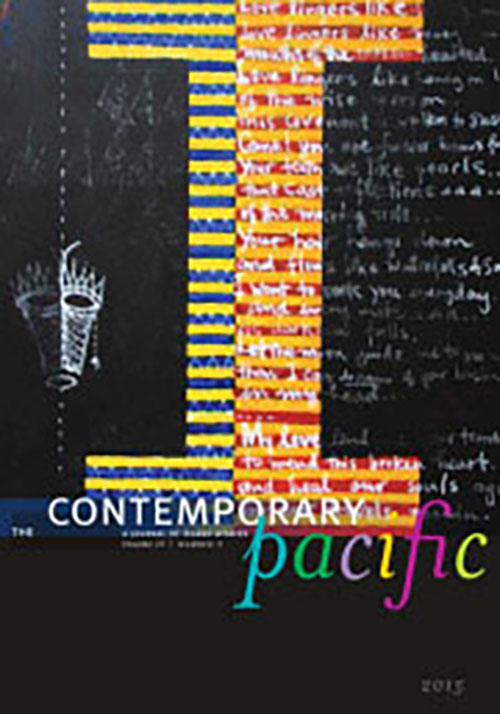
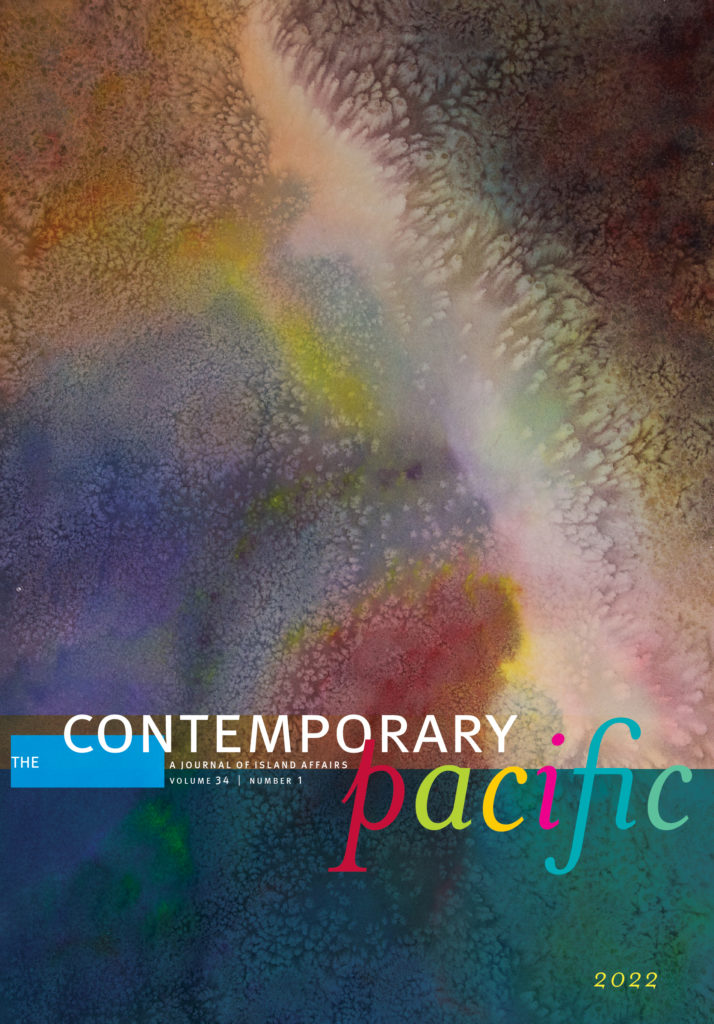
The Contemporary Pacific

Volume 34, Issue 1 (2022)

The new issue includes the following articles, dialogues, political, media, and book reviews.

One Salt Water: The Storied Work of Trans-Indigenous Decolonial Imagining with West Papua
Bonnie Etherington

Making Sartorial Sense of Empire: Contested Meanings
of Aloha Shirt Aesthetics

Christen T Sasaki

The Compensation Page: News Narratives of Public Kinship in Papua New Guinea Print Journalism
Ryan Schram

“We Are So Happy EPF Came”: Transformations of Gender in Port Moresby Schools
Ceridwen Spark and Martha Macintyre

Pacific People Navigating the Sacred Vā to Frame Relational Care: A Conversation between Friends across Space and Time
Silia Pa‘usisi Finau, Mele Katea Paea, and Martyn Reynolds

Find more articles, dialogues, political, media, and book reviews at Project MUSE.

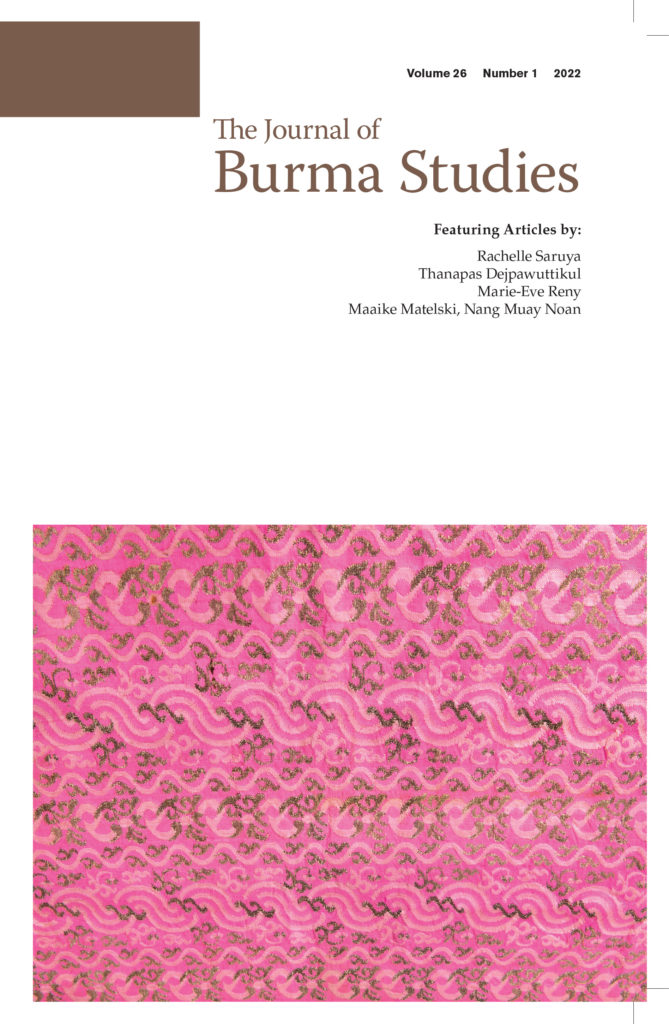
The Journal of Burma Studies

Volume 26, Number 1 (2022)

Ritual and Play in Buddhist Nun-Making: Girlhood,
Nunhood, and the Shaping of the “Little Teacher” in
Today’s Myanmar

Rachelle Saruya

From Archenemy of the Nation to the Intimate
Other: Prince Damrong Rajanubhab’s
Journey
through Burma
and the Colonial Ecumene
Thanapas Dejpawuttikul


Military Rule with a Weak Army: Myanmar’s
Late Expansion

Marie-Eve Reny


Grassroots Roles and Leadership Aspirations:
The Experiences of Young Ethnic Women in
Myanmar Civil Society Organizations
Maaike Matelski and Nang Muay Noan

Find more captivating articles at Project MUSE.

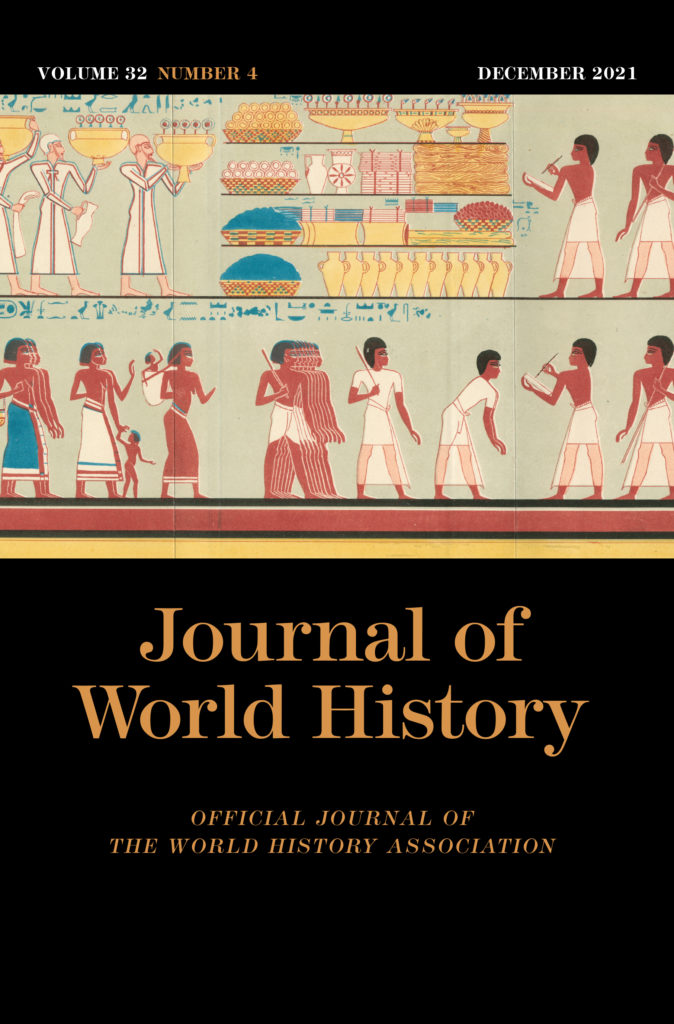
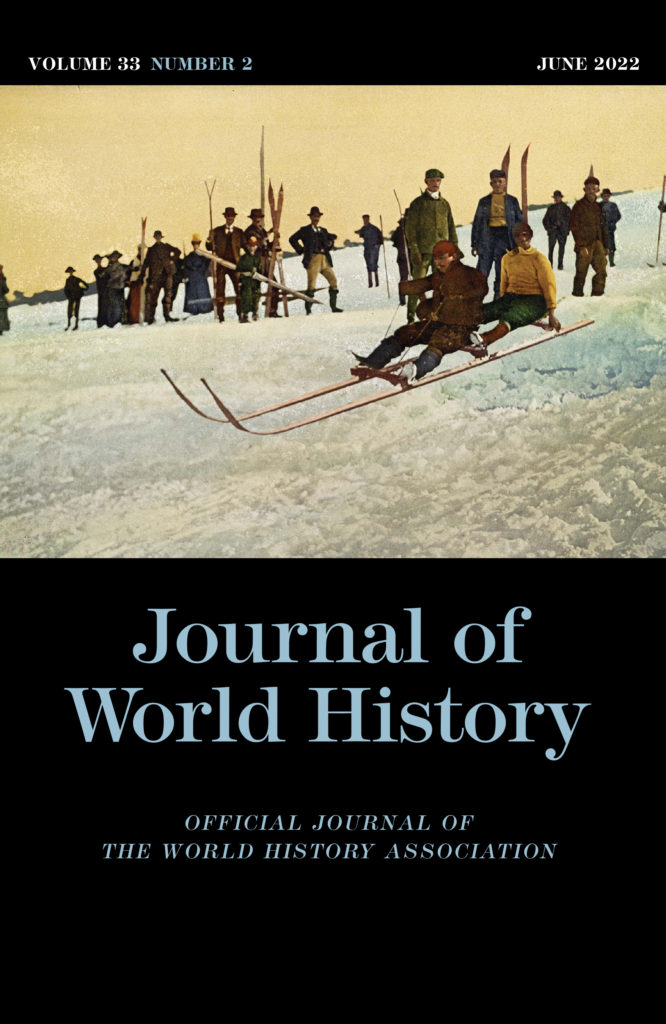
Journal of World History

Volume 33, Number 2 (June 2022)

The “Material Turn” in World and Global History
Giorgio Riello

The Christian Seas of Kyushu: How Local Maritime Networks Facilitated the Introduction of Catholicism to Japan in the Mid-Sixteenth Century
Erik Glowark

From the Atlantic to the Manchu: Taiwan Sugar and the Early Modern World, 1630s–1720s
Guanmian Xu

The Myth of Immobility: Women and Travel in the British Imperial Indian Ocean
Scott Reese

Religion and the Contemporary Phase of Globalization: Insights from a Study of John Paul II’s World Youth Days
Charles Mercier

Find more research articles and reviews at Project MUSE.


Call For Papers: U.S.-Japan Women’s Journal

Established in 1988, the U.S.–Japan Women’s Journal is an interdisciplinary, peer-reviewed, biannual publication, available in print and online, that promotes scholarly exchange on social, cultural, political, and economic issues pertaining to gender and Japan. The U.S.–Japan Women’s Journal encourages comparative study among Japan, the United States, and other countries. We welcome contributions from all academic fields in the social sciences and humanities. The journal publishes new research, review articles, and translations.

All articles are printed in English, and all submissions must be in English following the submission guidelines available from the journal home page. Manuscripts should be between 6,000 and 10,000 words, including the alphabetical list of Works Cited and endnotes. Submissions will be reviewed by the USJWJ editors and anonymously by outside reviewers. The review process takes around three months. Please review the complete Submission Guidelines, available online.

Submit manuscripts digitally to Jennifer Cullen, [email protected].

Subscribe to the U.S.-Japan Women’s Journal through UH Press or browse full-text issues online via Project MUSE and JSTOR.

Editor-in-Chief: Noriko Mizuta, The International Institute for Media and Women’s Studies

Managing Editor: Jennifer Cullen, Northeastern University

Journal of World History Special Issue: Missions & Conversions in World History – Free!

The World History Association will be hosting its annual meeting in-person and virtually in Bilbao, Spain from June 23 to 25, on the theme “Distance, Mobility, and Migration.” The Journal of World History offers this accompanying special collection “Missions and Conversions in World History,” free on the Project MUSE platform through September 30. Select World History Titles in our Books Department will also be 30% July 1 through September 30 with coupon code WHA2022.

Missionary efforts are usually enacted on a global scale and have been an important force within world history. This special collection of articles seeks to enhance our understanding of missionaries and conversion and their place in the discourse on religion in world history. Some of the articles in this special collection focus on the religious beliefs of the missionaries and converts, and how those beliefs adapted to the cultures of parties. Other contributors analyze the political ramifications of missionary undertakings, while still others explore the varied cultural exchanges and entanglements which result from these encounters, many of which extended beyond the religious.

This special issue provides accessible resources for scholars and teachers worldwide and features Guest Editor Stephen S. Francis, who discusses the issue below.  

Stephen S. Francis, guest editor for this Special Edition of “Missions & Conversions in World History” for Journal of World History
(Photo courtesy of Stephen S. Francis)


University of Hawai‘i Press: Tell us how this special issue came together.

Stephen S. Francis: My personal area of research is the history of religion and society, and also family relations and material culture, so I was drawn to these articles that not only dealt with the personal ideological conversion of peoples, but also how missionaries and religion affected other aspects of society and culture beyond the intended reasons for proselyting. 

UHP: Why is this issue important now?

SSF: Since the latter half of the twentieth century and the beginning of the twenty-first, religion throughout the world has undergone radical change, but perhaps no more so than in the past.  So, I think it is beneficial for us to look at the impact and effects of past encounters to place the current developments in context. 

UHP: How do you hope people will use this issue?

SSF: One of the goals of Journal of World History is to show broader interconnections of ideas that go beyond nations and regions, and in editing this volume, I gained greater insight into my own localized study by seeing the similarities and how my own work fits into this larger discourse.  I hope that other scholars will do the same, and that it will enhance their own research and world view. 

UHP:   How are things changing as the world has reopened slowly? Are there many ways the pandemic has affected your own research and teaching?

SSF: Specifically regarding the topic of this issue, I know that several churches have altered the way they have proselyted during the pandemic, and I am eager to see how some of those changes will be kept and what ones will be discarded as the world reopens, which in several years will be fascinating to research.  I, like many, had to cancel research trips due to the pandemic, but it also gave me time to reflect and focus on ideas that I may have ignored if life had continued as “normal.”  


The World History Association will host its annual meeting both in-person and virtually, from June 23 to 25, on the theme “Distance, Mobility, and Migration.” The Journal of World History offers this digital special issue “Missions and Conversions in World History” free on the Project MUSE platform through the end of September 2022. Select World History Titles in our Books Department will also be 30% July 1 through September 30 with coupon code WHA2022.

New Journal Special Issues: The Religiosity of Tonghak, Vietnamese Linguistics + More

Oregon beautiful picture

Journal of the Southeast Asian Linguistic Society

Special Issue:

Vietnamese Linguistics: State of the Field

The new issue features the following introduction by Trang Phan, John Phan, and Mark J. Alves

The current issue is the result of a workshop held at the Harvard Yenching Institute in April of 2021, entitled Vietnamese Linguistics, Typology and Language Universals, and which featured nineteen linguists working on diverse aspects of the Vietnamese language, ranging from semantics to historical phonology. Our purpose in gathering was to take stock of the great leaps in Vietnamese linguistic research that have occurred over the past few decades, to bring together cutting-edge research from each subdiscipline, and to begin a new collaborative dialogue on Vietnamese linguistics, typology, and language universals. Most of all, it was our belief that the time had come to reconsider Vietnamese linguistics as a unified field of inquiry. As a result, a new academic organization was founded: the International Society of Vietnamese Linguistics.
In the past twenty years, research into the Vietnamese language has advanced exponentially, in tandem with developments in our understanding of syntax, semantics, phonetics, and phonology—both on the synchronic and diachronic levels. Specific work on the Vietnamese language now informs and even leads broader linguistic inquiry in a number of unprecedented ways. These new developments invite a concentration of state-the-field research into a single volume, one that will serve not only to summarize current issues in each subdiscipline of Vietnamese linguistics, but also to initiate a longer, more collaborative conversation about the Vietnamese language.
Our goals in this special issue are thus twofold: first, we seek to provide a snapshot of current research into Vietnamese syntax, semantics, phonology, and phonetics, from both the historical and synchronic points of view, that may serve as a resource for linguists interested in exploring our current understanding of the Vietnamese language. Second, we hope that this issue will also serve as an invitation to all linguists working on the Vietnamese language or related languages to contribute to a broader, more cosmopolitan discussion—one in which discoveries of one subdiscipline may serve to inform or enlighten another.


Find more articles at eVols.

UH Press
Privacy Overview

University of Hawaiʻi Press Privacy Policy

WHAT INFORMATION DO WE COLLECT?

University of Hawaiʻi Press collects the information that you provide when you register on our site, place an order, subscribe to our newsletter, or fill out a form. When ordering or registering on our site, as appropriate, you may be asked to enter your: name, e-mail address, mailing 0address, phone number or credit card information. You may, however, visit our site anonymously.
Website log files collect information on all requests for pages and files on this website's web servers. Log files do not capture personal information but do capture the user's IP address, which is automatically recognized by our web servers. This information is used to ensure our website is operating properly, to uncover or investigate any errors, and is deleted within 72 hours.
University of Hawaiʻi Press will make no attempt to track or identify individual users, except where there is a reasonable suspicion that unauthorized access to systems is being attempted. In the case of all users, we reserve the right to attempt to identify and track any individual who is reasonably suspected of trying to gain unauthorized access to computer systems or resources operating as part of our web services.
As a condition of use of this site, all users must give permission for University of Hawaiʻi Press to use its access logs to attempt to track users who are reasonably suspected of gaining, or attempting to gain, unauthorized access.

WHAT DO WE USE YOUR INFORMATION FOR?

Any of the information we collect from you may be used in one of the following ways:

To process transactions

Your information, whether public or private, will not be sold, exchanged, transferred, or given to any other company for any reason whatsoever, without your consent, other than for the express purpose of delivering the purchased product or service requested. Order information will be retained for six months to allow us to research if there is a problem with an order. If you wish to receive a copy of this data or request its deletion prior to six months contact Cindy Yen at [email protected].

To administer a contest, promotion, survey or other site feature

Your information, whether public or private, will not be sold, exchanged, transferred, or given to any other company for any reason whatsoever, without your consent, other than for the express purpose of delivering the service requested. Your information will only be kept until the survey, contest, or other feature ends. If you wish to receive a copy of this data or request its deletion prior completion, contact [email protected].

To send periodic emails

The email address you provide for order processing, may be used to send you information and updates pertaining to your order, in addition to receiving occasional company news, updates, related product or service information, etc.
Note: We keep your email information on file if you opt into our email newsletter. If at any time you would like to unsubscribe from receiving future emails, we include detailed unsubscribe instructions at the bottom of each email.

To send catalogs and other marketing material

The physical address you provide by filling out our contact form and requesting a catalog or joining our physical mailing list may be used to send you information and updates on the Press. We keep your address information on file if you opt into receiving our catalogs. You may opt out of this at any time by contacting [email protected].

HOW DO WE PROTECT YOUR INFORMATION?

We implement a variety of security measures to maintain the safety of your personal information when you place an order or enter, submit, or access your personal information.
We offer the use of a secure server. All supplied sensitive/credit information is transmitted via Secure Socket Layer (SSL) technology and then encrypted into our payment gateway providers database only to be accessible by those authorized with special access rights to such systems, and are required to keep the information confidential. After a transaction, your private information (credit cards, social security numbers, financials, etc.) will not be stored on our servers.
Some services on this website require us to collect personal information from you. To comply with Data Protection Regulations, we have a duty to tell you how we store the information we collect and how it is used. Any information you do submit will be stored securely and will never be passed on or sold to any third party.
You should be aware, however, that access to web pages will generally create log entries in the systems of your ISP or network service provider. These entities may be in a position to identify the client computer equipment used to access a page. Such monitoring would be done by the provider of network services and is beyond the responsibility or control of University of Hawaiʻi Press.

DO WE USE COOKIES?

Yes. Cookies are small files that a site or its service provider transfers to your computer’s hard drive through your web browser (if you click to allow cookies to be set) that enables the sites or service providers systems to recognize your browser and capture and remember certain information.
We use cookies to help us remember and process the items in your shopping cart. You can see a full list of the cookies we set on our cookie policy page. These cookies are only set once you’ve opted in through our cookie consent widget.

DO WE DISCLOSE ANY INFORMATION TO OUTSIDE PARTIES?

We do not sell, trade, or otherwise transfer your personally identifiable information to third parties other than to those trusted third parties who assist us in operating our website, conducting our business, or servicing you, so long as those parties agree to keep this information confidential. We may also release your personally identifiable information to those persons to whom disclosure is required to comply with the law, enforce our site policies, or protect ours or others’ rights, property, or safety. However, non-personally identifiable visitor information may be provided to other parties for marketing, advertising, or other uses.

CALIFORNIA ONLINE PRIVACY PROTECTION ACT COMPLIANCE

Because we value your privacy we have taken the necessary precautions to be in compliance with the California Online Privacy Protection Act. We therefore will not distribute your personal information to outside parties without your consent.

CHILDRENS ONLINE PRIVACY PROTECTION ACT COMPLIANCE

We are in compliance with the requirements of COPPA (Children’s Online Privacy Protection Act), we do not collect any information from anyone under 13 years of age. Our website, products and services are all directed to people who are at least 13 years old or older.

ONLINE PRIVACY POLICY ONLY

This online privacy policy applies only to information collected through our website and not to information collected offline.

YOUR CONSENT

By using our site, you consent to our web site privacy policy.

CHANGES TO OUR PRIVACY POLICY

If we decide to change our privacy policy, we will post those changes on this page, and update the Privacy Policy modification date.
This policy is effective as of May 25th, 2018.

CONTACTING US

If there are any questions regarding this privacy policy you may contact us using the information below.
University of Hawaiʻi Press
2840 Kolowalu Street
Honolulu, HI 96822
USA
[email protected]
Ph (808) 956-8255, Toll-free: 1-(888)-UH-PRESS
Fax (800) 650-7811