Mānoa journal will be at AWP 2025 in the Los Angeles Convention Center. Featuring thousands of literary professionals and hundreds of events celebrating the act of writing, the AWP Conference and Bookfair is one of the largest writing events in the world.
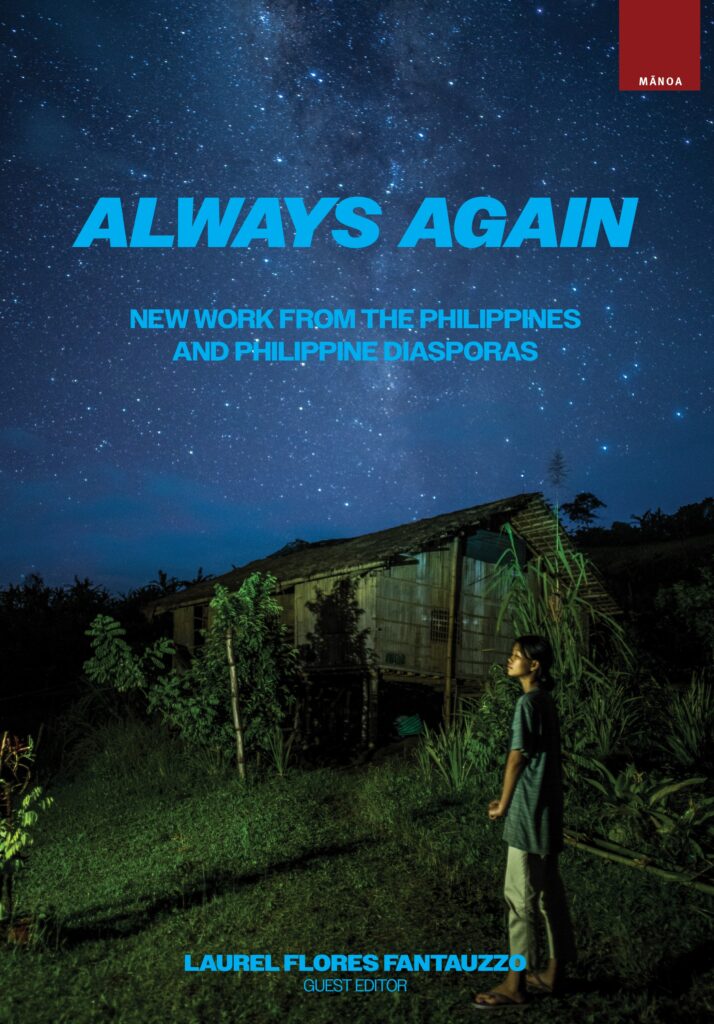
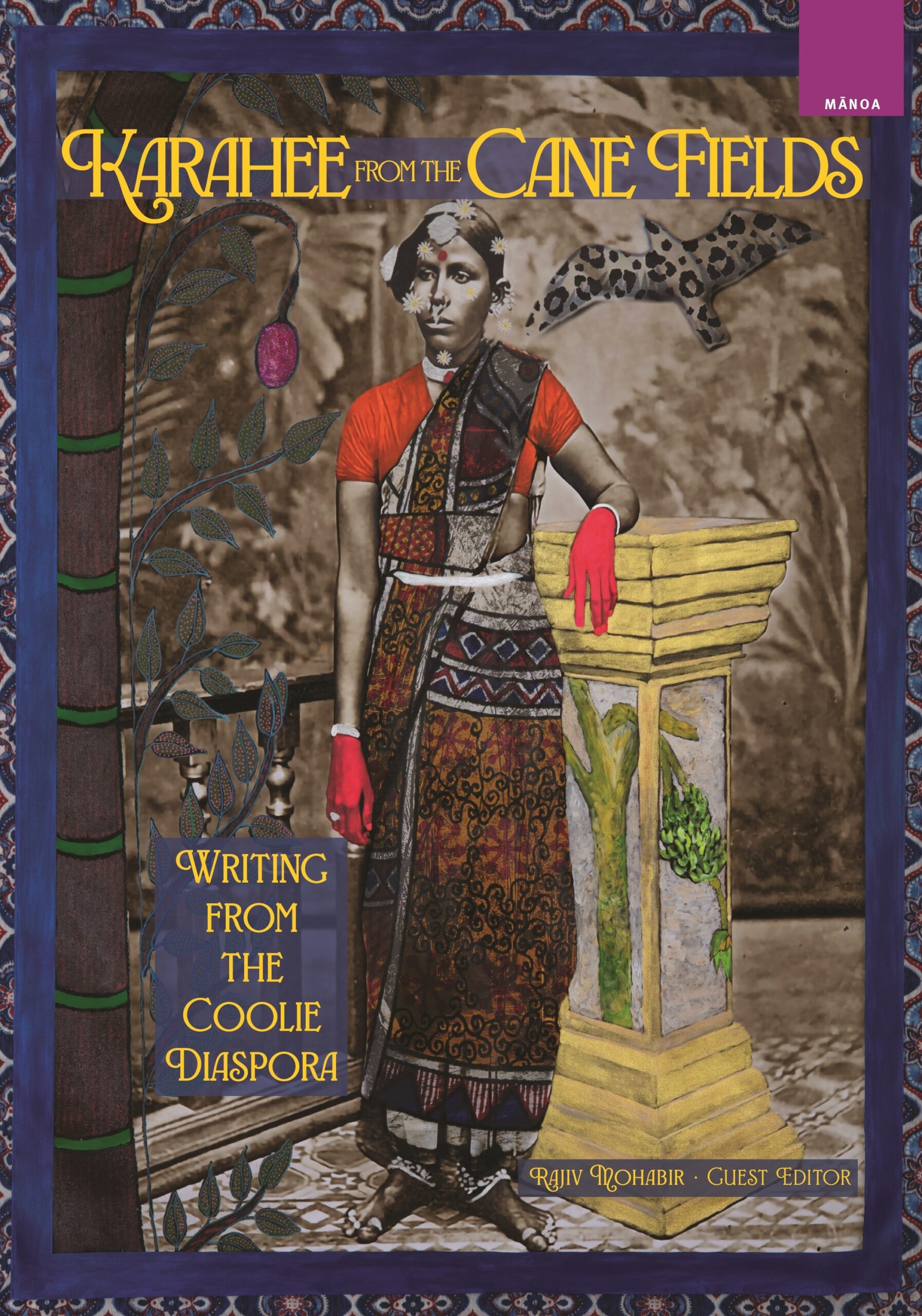
Mānoa journal will be present both at the bookfair and hosting special events throughout on their latest two releases (Karahee from the Cane Fields and Always Again) and upcoming issue, Architectures of FuturoPasados.
Bookfair: During the conference, swing by booth 614 in West Hall A from Thurs., March 27 to Sat., March 29.
Panels: Join the panel, Cane & Malunggay: Mānoa Journal Explores South Asian Coolie & Philippine History, from 12:10–1:25pm on Sat., March 29 in room 409AB.
Pau Hana:Mānoa journal will be hosting Pau Hana Friday, an off-site reading event along with the UH Mānoa creative writing program, on Fri., March 28 from 5–7pm at the South Park Commons. Pau Hana Friday will be a grand gathering of UH student voices and vibrant tales created in the heart of the Hawaiian islands. Snacks and drinks will also be provided. Register here.
Learn more, including panels featuring Mānoa journal contributors, here.
Read
Freely available via Project MUSE for a limited time
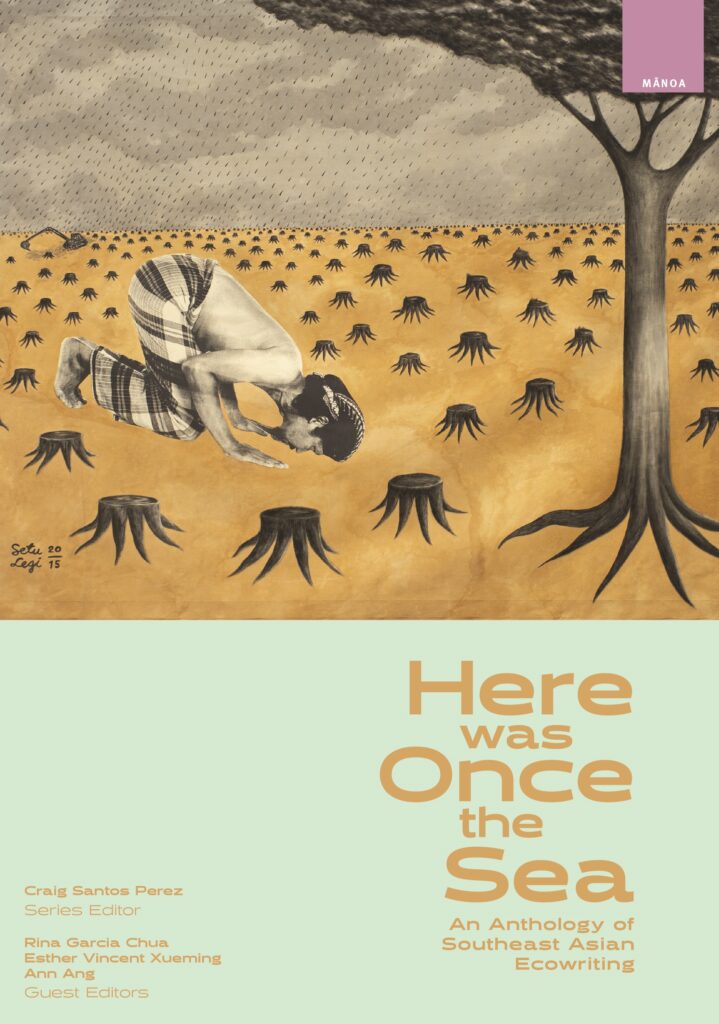
Here was Once the Sea: An Anthology of Southeast Asian Writing
Volume 35 Number 2 (2023)
Guest Editors Rina Garcia Chua, Esther Vincent Xueming, and Ann Ang discussion their vision with this unique collection of writing:
This anthology represents a chorus of offerings, first and foremost to the land and the sea, and second to you, our readers, as an invitation to attend to the urgencies and travails of our homes. On the one hand, while the anthology is comprised mostly of anglophone texts, which reflect the aspirations of regional writers to speak across borders and to the globe at large, the English of these pages is inhabited by meanings and associations that make the language our own. This can be seen in the use of indigenous names of plants and places in the works of Annisa Hidayat, Diana Rahim, and Mohamed Shaker, or through rhymes and sounds in the poems of Natalie Foo Mei-Yi and Teresa Mei Chuc. At other times, the native language emerges like weeds, surprising and demanding to be noticed, as in Enbah Nilah’s use of Tamil, which persists as linguistic, cultural, and historical memory in a legacy of erasure.
Find this editorial note, poems, statements, art, and more at Project MUSE.
Stop by the Mānoa table located at #T3313 to talk story, peruse and purchase titles, and get a discount on subscriptions.
Panels
Rajiv Mohabir guest edits the next Mānoa volume, Karahee from the Cane Fields: Writing from the Coolie Diaspora. Join Rajiv on these two panels on Thursday, Feb. 8:
Speaking Mosaics: Hybrid Narratives & the Prism of Identity
9:00 a.m. to 10:15 a.m., Room 2504AB, Kansas City Convention Center, Level 2 T129
Accustomed to wielding multiple perspectives, many BIPOC, queer, and neurodivergent writers are drawn to fragmented or hybrid forms: multimodal cross-genre mosaics of personal experience, and cultural, social, political, or natural history. Our panelists work across poetry, performance, nonfiction, and folklore, and will explore the craft and challenges of fragmented forms, offering inspiration and motivation to embrace hybridity as a way to claim space for historically marginalized communities.
Fragmented Inheritances: Lyric Essay and Intergenerational Trauma
Panelists: Joanna Penn Cooper, Kiki Petrosino, James Allen Hall, Rajiv Mohabir
10:35 a.m. to 11:50 a.m., Room 2503AB, Kansas City Convention Center, Level 2, T154
Lauded essayists discuss experiments with form, including fragmentary approaches to narrative, and how they leave space for both readers and writers to approach subject matter about difficult legacies. How does the use of fragments allow ways into incomplete or contested family and cultural narratives around war trauma; religious persecution; racial, sexual, and gender identity; and violence? How might fragmented narrative further the possibilities for sharing and transmuting difficult legacies?
Subscribe to Mānoa
A one-year subscription gets you copies of two new issues, Here was Once the Seaguest edited by Rina Garcia Chua, Esther Vincent Xueming, and Ann Ang and Karahee of the Cane Fields guest edited by Rajiv Mohabir.
A two-year subscription additionally includes two additional issues from series editor S. Shankar.
Stop by the Mānoa table located at #309 to talk story, peruse and purchase titles, and get a discount on subscriptions.
Get a signed copy of Out of the Shadows of Angkor, Thursday, March 9, 1-3 p.m.
Putsata Reang, Greg Santos, Sharon May, and Sokunthary Svay will be signing copies of the recent Mānoa volume, Out of the Shadows of Angkor in the Mānoa booth, #309.
Panel: Celebrating Pacific Island Literature, Thursday, March 9, 1:45-3 p.m.
Ballroom 1, Summit Building, Seattle Convention Center, Level 5
Mānoa journal is sponsored by the University of Hawai‘i’s Department of English. Join two creative writing professors, editor Craig Santos Perez and Kristiana Kahakauwila, along with William Nu‘utupu Giles for a great reading and conversation on Pacific Island literature in this Kundiman panel.
Panel: Cambodian Poetry, Prose, and Translation Today, Friday, March 10, 3:20-4:35 p.m.
Rooms 338-339, Summit Building, Seattle Convention Center, Level 3
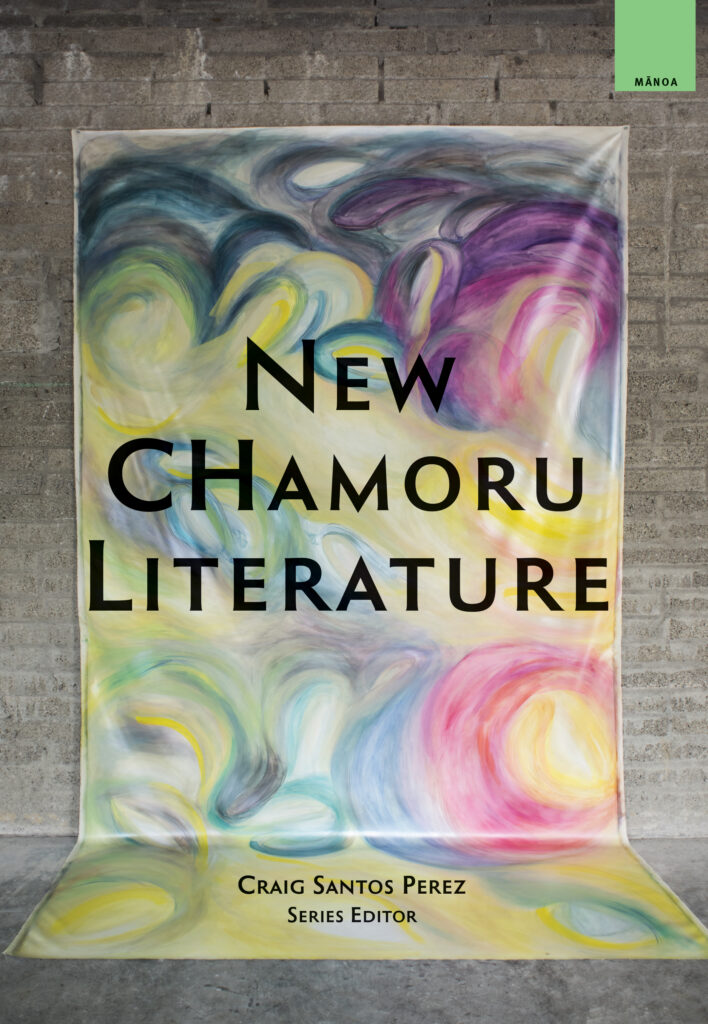
A two-year subscription additionally includes two new issues, including New CHamoru Literature edited by Craig Santos Perez (Volume 35, Issue 1) and an issue featuring the eco-literature of Southeast Asia (Volume 35, Issue 2).
The new issue contains the following articles as a remembrance for Miriam Fuchs who was an active contributor to the journal. It also contains the annual bibliography:
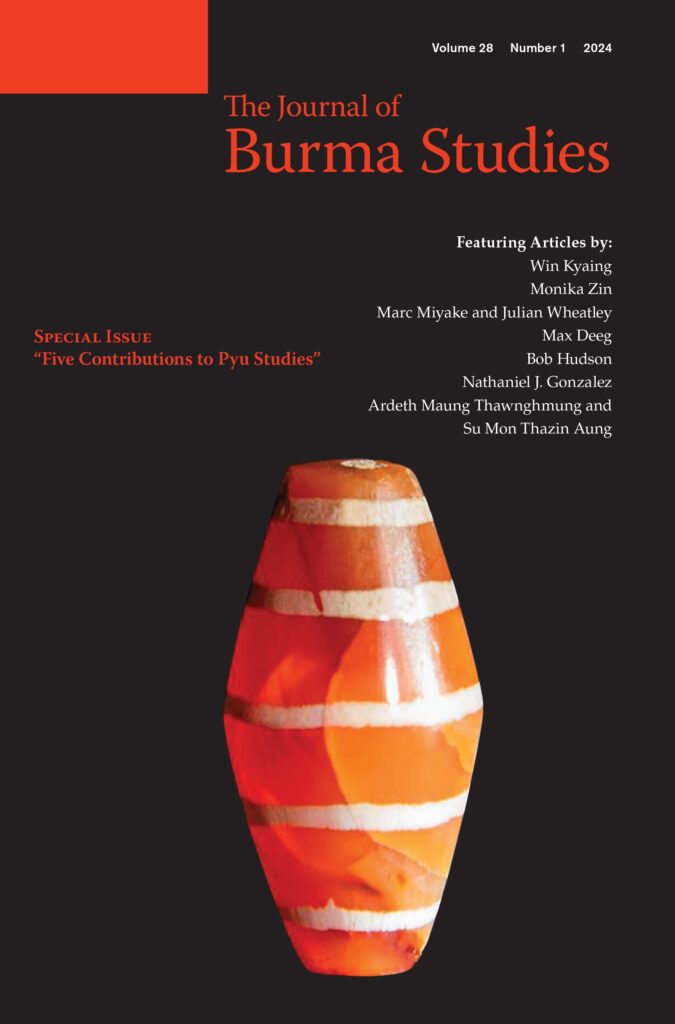
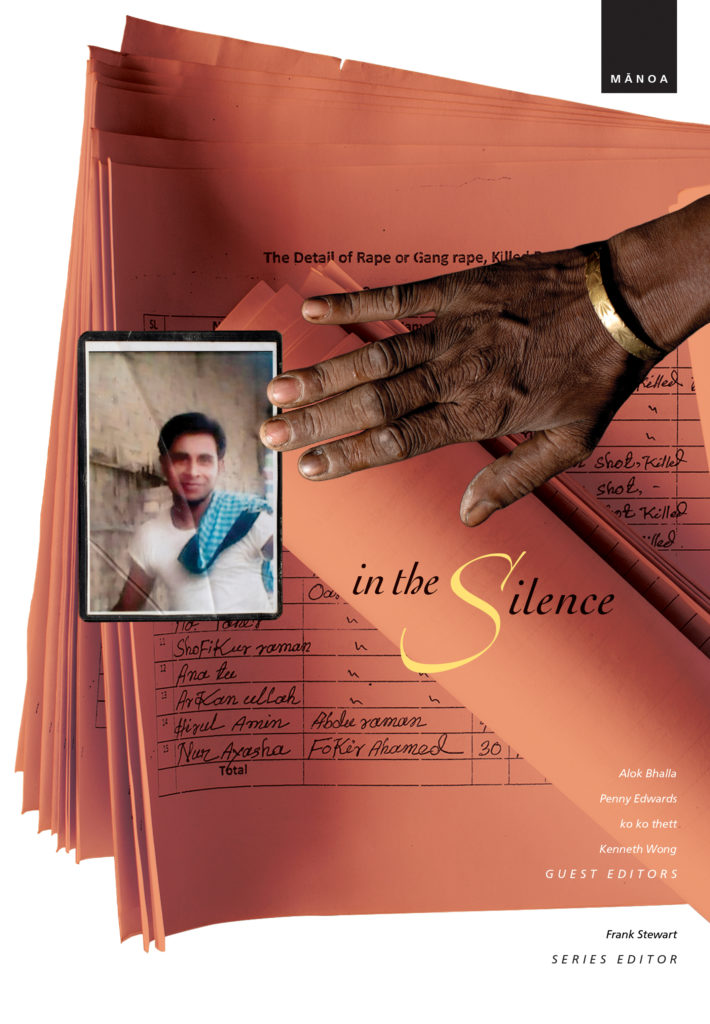
The new Mānoa issue features a special section on the literature of Burma/Myanmar. In the introduction, “To Write a History,” guest editors Penny Edwards, ko ko thett, and Kenneth Wong begin:
“‘How to write history / in a language / that has no past tense’ asks co-editor ko ko thett in his poetry collection The Burden of Being Burmese. How to publish literature under a military regime with no future tense?
“In Myanmar today, the simplest utterance is punishable as the defamation of the state. A song, a poem, a music video, an elegy are all open invitations to a cowardly regime to pursue their authors with impunity.”
Find literature from Burma/Myanmar, South Asia and more at Project MUSE.
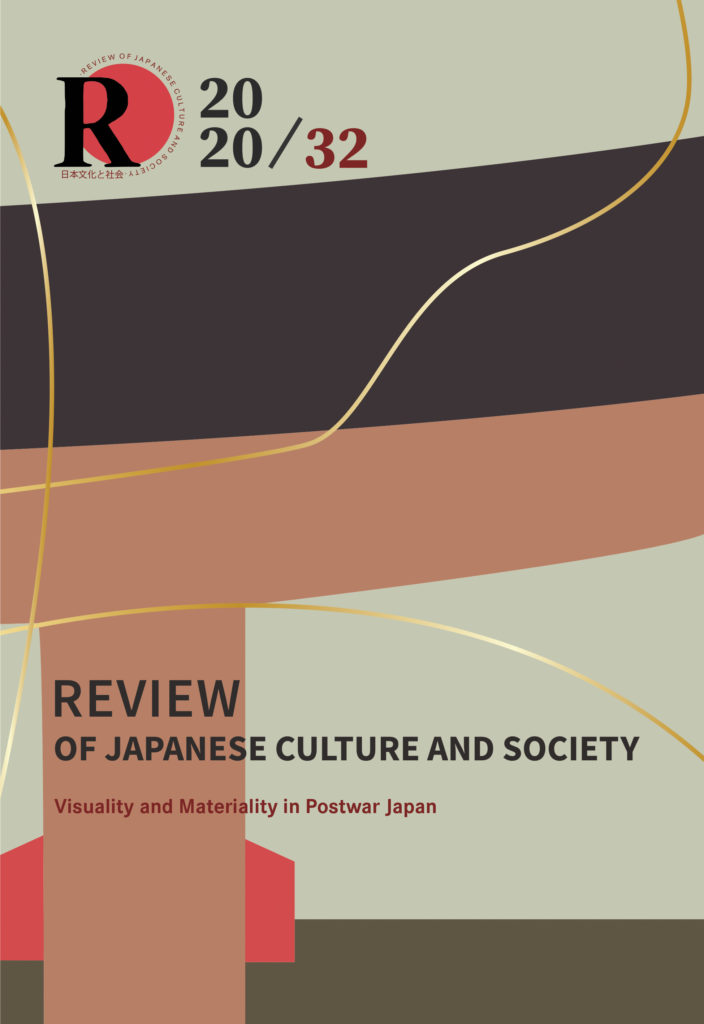
The new issue includes the special section, “Visuality and Materiality in Postwar Japan” guest edited by Álex Bueno and Yasutaka Tsuji, and “Japan in Los Angeles” edited by Rika Hiro. Selections include:
Out of the Shadows of Angkor is a groundbreaking collection of prose, poetry, performance pieces, and visual art that emerges from a thirty-year effort of five guest editors to gather and champion Cambodian literary and cultural works.
In the nearly 400-page MĀNOA volume, this anthology features rare works translated into English for the first time, and has also helped to rescue writing lost during the Khmer Rouge regime (1975–1979). Beautifully designed, Out of the Shadows of Angkor is an outstanding selection of Cambodian writing from the past and present.
Out of the Shadow of Angkor also features the stunning paintings of Theanly Chov from his Surviving series, which capture the future-forward dreams of many Cambodians today.
Guest editors: Sharon May, Christophe Macquet, Trent Walker, Phina So, Rinith Taing
Series editor: Frank Stewart
Editor Q&A: Cambodian Writing Through the Ages
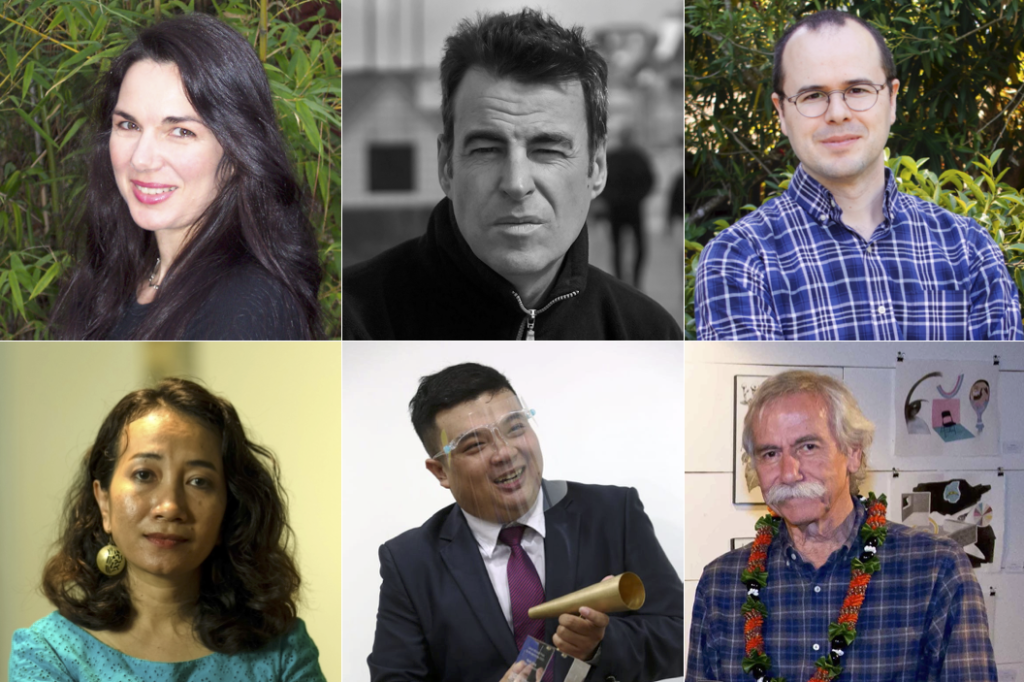
Editors of Out of the Shadows of Angkor. Top row, L to R: Sharon May, Christophe Macquet, Trent Walker. Bottom row: Rinith Taing, Phina So, Frank Stewart. Photo courtesy of Trent Walker.
“Cambodian writers have been recording their literary gifts for over a millennium and a half. Yet very little Cambodian literature originally composed in Khmer, Sanskrit, or French is available in English. Our anthology seeks to change that,” say guest editors Trent Walker and Sharon May. In this Q&A, Walker and May tell us how this book came together.
Out of the Shadows of Angkor in Your Classroom
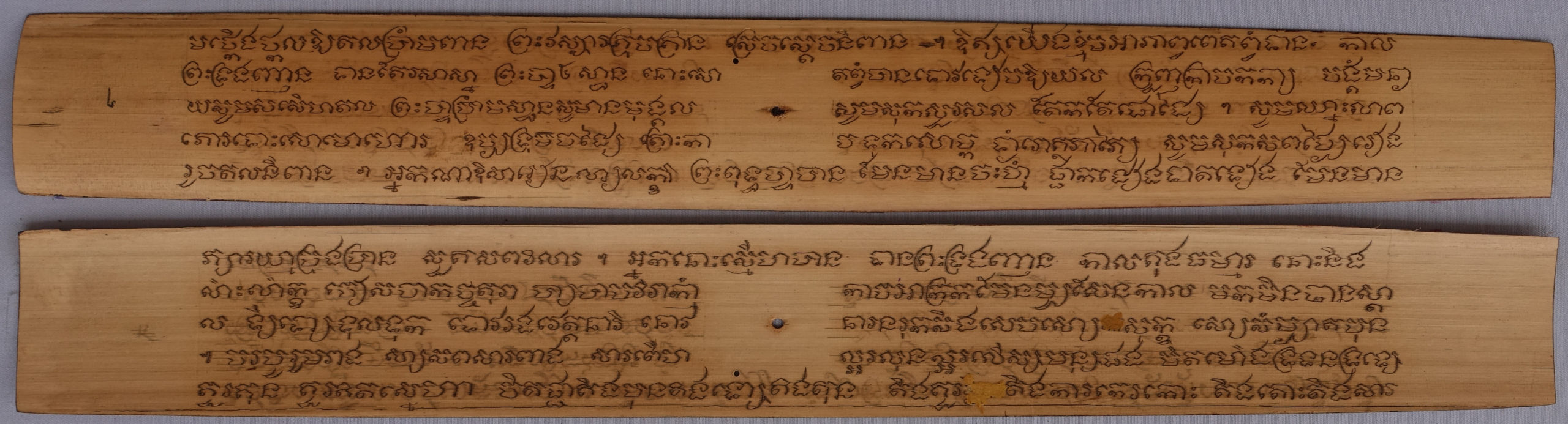
Inscription of a “dharma song” Hymn to the Buddhaʻs Feet. The poem is traditionally chanted with complex melodies in Cambodian rituals. Photo courtesy of Trent Walker.
Educators considering teaching from this landmark collection may have students from Cambodia or Southeast Asia and its diasporas, or students in a global literature course. The works in Out of the Shadows of Angkor may either stand alone or be read alongside other works of literature from the region of Southeast Asia.
The University of Hawai‘i Press offers examination copies upon request, as well as complimentary desk copies for educators who order 10 or more copies for their classrooms.
All MĀNOA subscribers will receive the issue, Out of the Shadows of Angkor, upon print publication in September 2022 and an additional volume on Burmese literature in Winter 2022. A one-year, individual subscription costs $35.
Editors Sharon May and Trent Walker on Out of the Shadows of Angkor, the newest title from Mānoa journal, that publishes this month.
Out of the Shadows of Angkor, the newest title from MĀNOA, emerges from the thirty-year effort of a community seeking to bring together Khmer works of literature. In doing so, they not only translated rare works into English for the first time, but also helped to salvage, reconstruct, and resuscitate parts of books destroyed by the Cambodian Civil War. This issue represents a selection of what has been achieved.
Readers will find in this volume: a comprehensive range of Khmer works over 1400 years; translations of classical texts in ancient script; selections of modern Cambodian poetry, prose, and folk theater; and contemporary writings by Cambodian refugees and children of the diaspora living in countries from Australia to the U.S., Canada, and Europe. This is a companion volume to In the Shadow of Angkor(2004).
Below, guest editors Trent Walker and Sharon May tell us about how this book came together.
Editors of Out of the Shadows of Angkor. Top row, L to R: Sharon May, Christophe Macquet, Trent Walker. Bottom row: Rinith Taing, Phina So, Frank Stewart. Photo courtesy of Trent Walker.
University of Hawai‘i Press: What was the inspiration for this issue?
Trent Walker and Sharon May, Editors: Cambodian writers have been recording their literary gifts for over a millennium and a half. Yet very little Cambodian literature originally composed in Khmer, Sanskrit, or French is available in English. Our anthology seeks to change that by joining a plethora of original literary translations of Cambodian texts with works composed in English by members of the global Cambodian diaspora.
UHP: What is the book essentially about?
Editors: Out of the Shadows of Angkor unites the work of 33 different authors across fourteen centuries of Cambodian history. Their poems, short stories, novels, and essays are paired with a range of anonymous texts from the seventh century to the present, including inscriptions, oaths, chants, songs, epics, folk tales, and theater. Nineteen different translators make these works shine in English, offering accessible notes that frame these Cambodian compositions for a wide audience. A special emphasis on twentieth- and twenty-first-century writers, including those across four continents of the diaspora, showcases the present and emerging future of post-Khmer Rouge literature both inside and outside Cambodia.
UHP: Who was involved, and what was the process like of putting it together?
Editors: Sharon May, guest editor of In the Shadow of Angkor, a smaller but path-breaking 2004 anthology of contemporary Cambodian literature published by MĀNOA and University of Hawai‘i Press, brought together a team of four fellow guest editors over the course of over a decade. The guest editors—Phina So, Rinith Taing, Christophe Macquet, and Trent Walker, along with Sharon—have each long been leaders in advocating for Cambodian writers, literature, and publishing. We relied on each other’s strengths and on wide networks of literary friendships in Cambodia and beyond to bring the project to completion.
UHP: Tell us about the title. What’s the story of how you came to this title?
Editors: The title of the first volume, In the Shadows of Angkor,arose when Sharon was brainstorming with her friend Bhavia Wagner; Cambodian literature has long been in the shadows of the great temples and the tragedies of war, at least in the eyes of the West. As a considerably larger, non-overlapping companion volume to that 2004. MĀNOA anthology, Out of the Shadows of Angkor celebrates Cambodian poetry, prose, and performance emerging onto the world stage. Outside of the Khmer diaspora, Anglophone readers are still likely to only know Cambodia for the horrors of the Khmer Rouge or the splendors of Angkor Wat. Our book presents for the first time in English the vast spectrum of Cambodian writing through the ages—by turns joyous and tragic, pithy and elegant, tender and whip-smart.
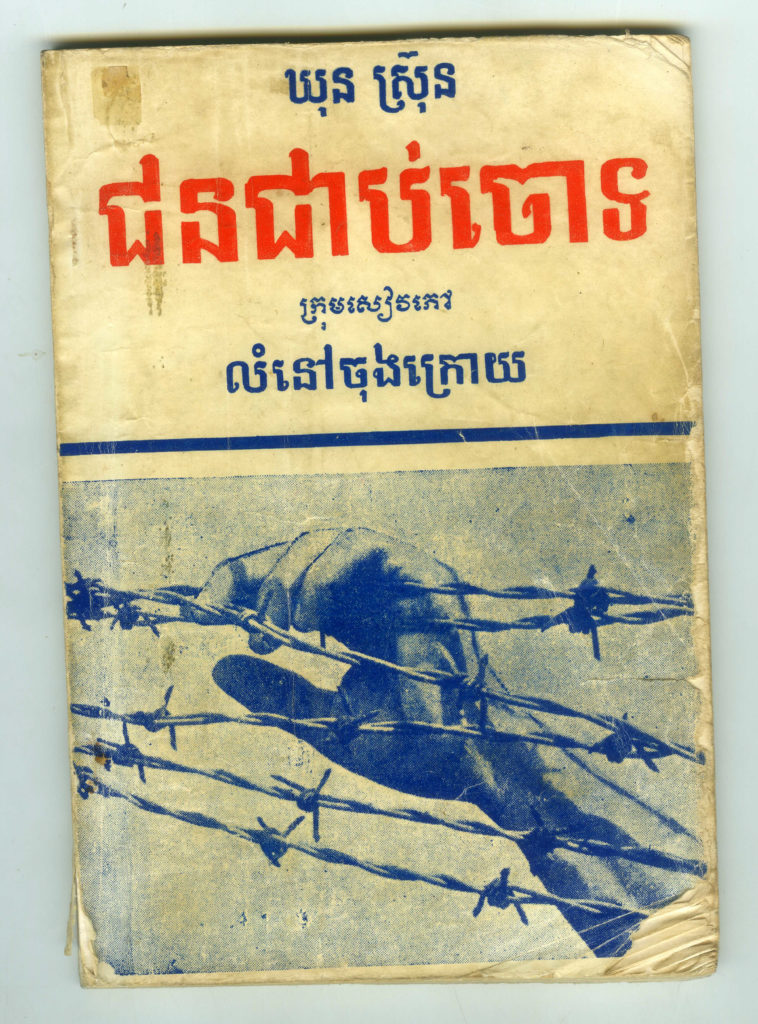
The Accused (1973), an account of imprisonment by Khun Srun, is nearly impossible to find in Cambodia today. An English-translated excerpt can be found in Out of the Shadows of Angkor. Photo courtesy of Christophe Macquet.
UHP: What are some highlights of the issue? What should readers not miss?
Editors: The foreword by Vaddey Ratner and a special preface on Cambodian American writers by Sokunthary Svay set the tone for the book. Indradevi’s “In Praise of Sister Queens,” one of the oldest known works by a female author in Southeast Asia, and Brah Rajasambhar’s sixteenth-century poem, “My Soul of Gold,” long thought lost, anchor the classical section. Khun Srun’s “A Small Request” as well as excerpts from his novel The Accused cement his reputation as one of most insightful writers from the 1960s and ‘70s. Extracts from works by Nou Hach, Soth Polin, and Ty Chi Huot showcase the treasures of modern Khmer fiction. Poets ranging from Chey Chap and Pich Tum Kravel in Cambodia to Prince Amrindo Sisowath and Khau Ny Kim in France are also featured. Diasporic voices shine throughout: Maria Hach’s brilliant essay, “An Archive of Haunting,” especially in conversation with pieces by Boreth Ly and Elizabeth Chey, reveals powerful connections linking war, memory, and the arts. In the closing section on performance, the genius of Kong Nay, the country’s most famous living bard, comes to life through an extended interview as well as his bawdy lullaby, “An Elephant Rocks Its Trunk.” Throughout the issue, don’t miss the stunning paintings of Theanly Chov from his Survivingseries, which capture the future-forward dreams of many Cambodians today.
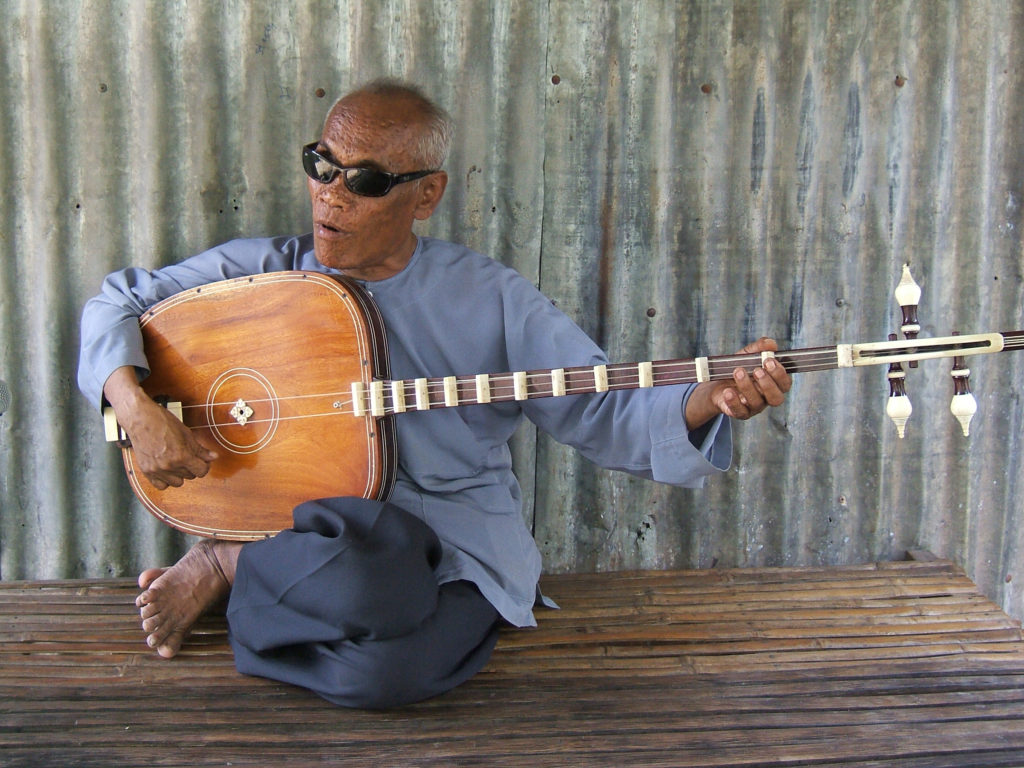
Kong Nay, Cambodia’s most famous living bard, playing the chapei dang veng, a traditional Cambodian long-necked lute in his home in 2008. Photo courtesy of Sharon May.
UHP: Is there anything else that you’d like to share?
In addition to classical Cambodian literature that has never before been translated into English, this book presents writing that was nearly lost during Cambodia’s civil war, the Khmer Rouge regime, and its aftermath. When Sharon first began work on the previous volume, In the Shadow of Angkor, an American journalist told her, “Cambodians can’t write.” We hope that this new volume, Out of the Shadows of Angkor, shows that they most certainly can, and have done so for centuries with humor, wisdom, beauty, and depth.
Trent Walker is a postdoctoral fellow of the Ho Center for Buddhist Studies at Stanford University and a specialist in the manuscripts and chanting practices of mainland Southeast Asia.
Sharon Mayworked for Columbia University’s Center for the Study of Human Rights—living and working in Cambodia while researching the Khmer Rouge regime—and was a Wallace Stegner Fellow in fiction at Stanford University.
All MĀNOA subscribers will receive the issue, Out of the Shadows of Angkor, upon print publication in September 2022 and an additional volume on Burmese literature in Winter 2022. A one-year, individual subscription costs $35.
In recognition of Black History Month, we offer the following journals, articles, and reviews. We invite you to explore and enjoy the following journal content online free through February 2022.
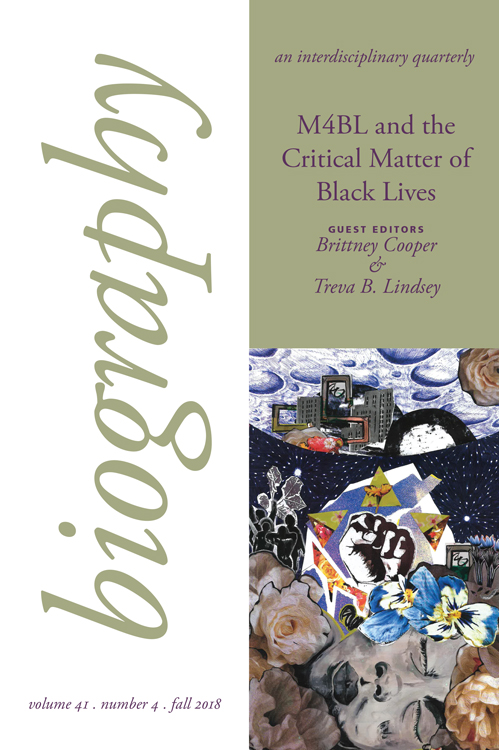
Introduction by Guest Editors Britney Cooper and Treva B. Lindsey:
Understanding the stories presented in this special issue as simultaneously about violence, resistance, (in)justice, and freedom, we center interrogations and representations of individual and collective Black lives to unearth both the possibilities and potential challenges for those living and fighting in the era of the Movement for Black Lives. In our call for papers, we offered these questions: What does “life” mean in the context of M4BL? What is the fundamental meaning of “lives” when centering those on the margins? Each of these pieces directly and indirectly responds to these questions. As editors, we continually converse about the distinction between Black lives and Black life, while always connecting through our unwavering commitment to both.
Find more research articles and reviews at Project MUSE.
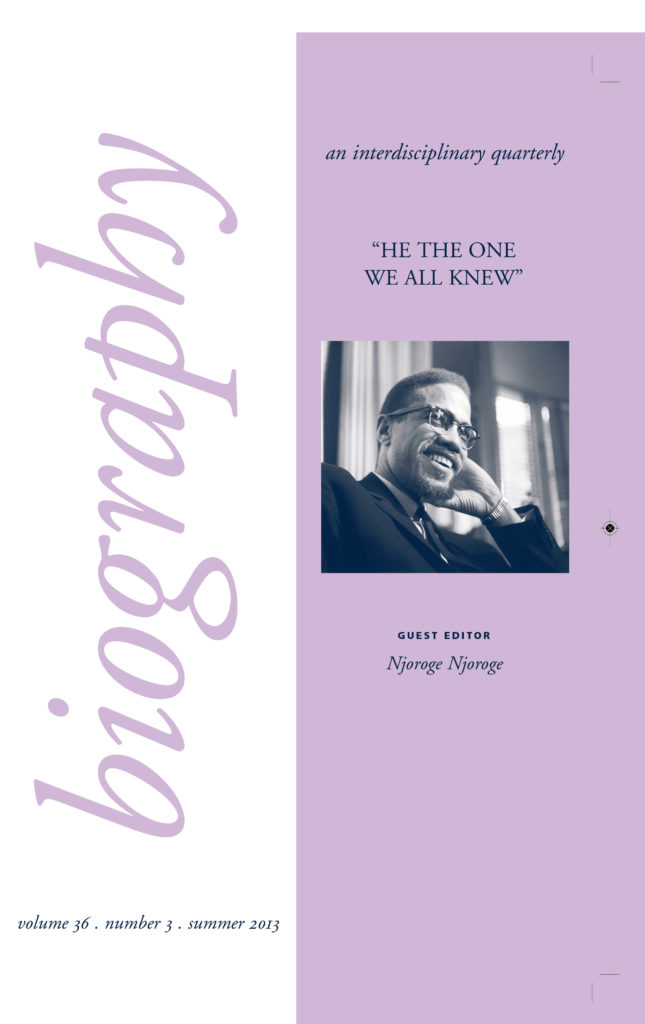
Guest Contributor Njoroge Njoroge reflects on this issues dedication on the life and thought of El-Hajj Malik El-Shabazz known to most of Malcolm X. In reference to the compilation of articles in this issue Njoroge explains:
This cluster of essays is another re-discovery of Malcolm, one that attempts to give context and feeling to the life, world, words, and works of Malcolm. The collection is a modest contribution to the ongoing discussion, reevaluation, and interpretation of the life and political thought of Malcolm X. By examining the man and his times, in light of old wisdom and new scholarship, we can come to a better appreciation of Malcolm, the man and the myth. Each of the authors presents us with different “Malcolms”: He the one we all knew.
Find more research articles and reviews at Project MUSE.
Published twice a year since 1989 by the University of Hawaiʻi Press, Mānoa: A Pacific Journal of International Writing has two issues of special interest to readers this month, which has been designated Kalaupapa Month by the Hawaiʻi state government and celebrates two important figures. Father Damien, the Belgian priest who cared for victims of leprosy at Kalaupapa, Molokaʻi, was born on the 3rd, and civil rights leader Martin Luther King Jr. was born on the 15th.
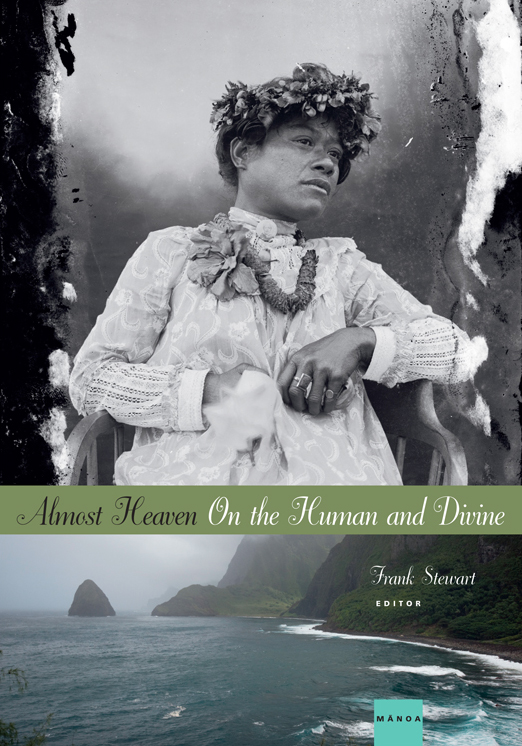
Mānoa vol. 23 no. 2 (2011) Almost Heaven
Almost Heaven: On the Human and Divine (winter 2011) presents Aldyth Morris’s play Damien in its entirety, plus a set of images reproduced from glass-plate negatives made at Kalaupapa in the early twentieth century. The images are from the collection of the Congregation of the Sacred Hearts United States Province. Morris was a Hawaiʻi playwright who received the Hawaiʻi Award for Literature in 1978 and worked for many years at UH Press.
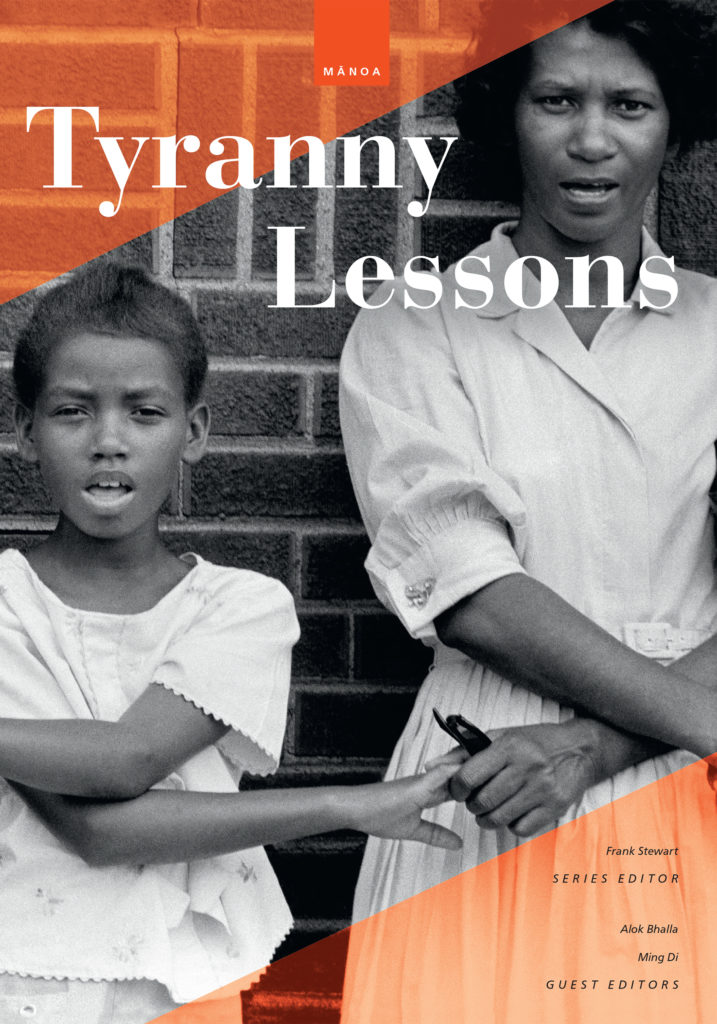
Mānoa vol. 32 no. 1 (2020) Tyranny Lessons
Tyranny Lessons: International Prose, Poetry, and Performance (summer 2020) features photographs from the 1960s by Danny Lyon from his book Memories of the Southern Civil Rights Movement. Lyon was the first photographer of the Student Non-violent Coordinating Committee and was jailed alongside Martin Luther King Jr. Working next to activists such as Julian Bond and Howard Zinn, he captured sit-ins, church bombings, speeches by John Lewis and other leaders, and the arrest and jailing of protestors.
Members of the UH community can view these works for free at Project Muse.
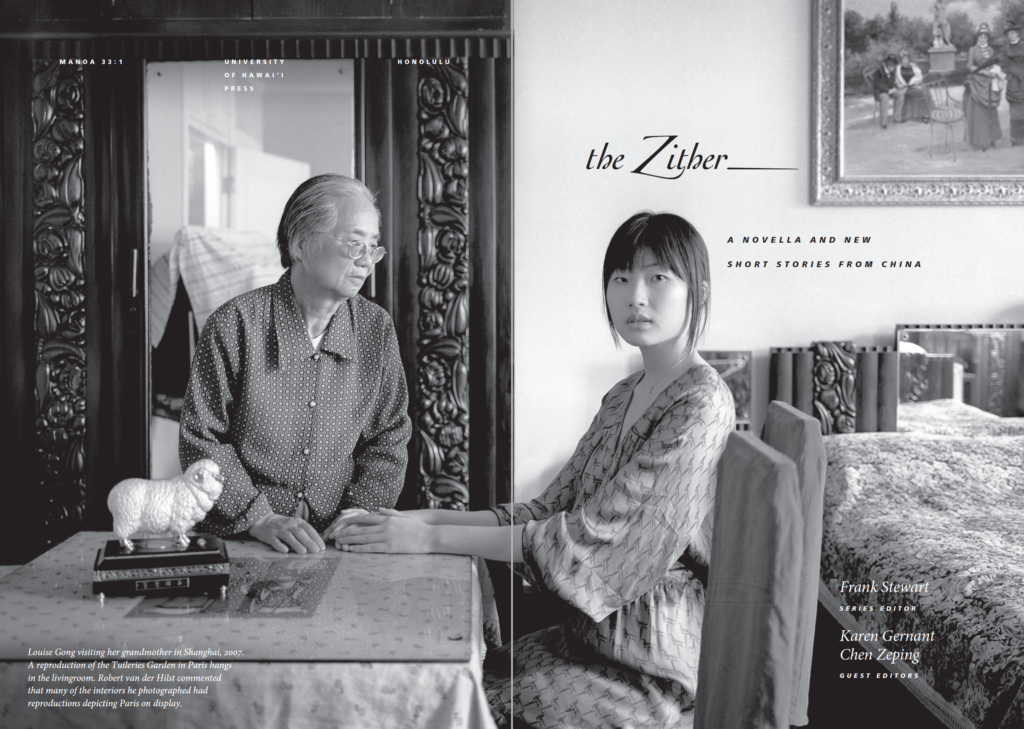
Featured in this Mānoa volume is The Woman Zou, the third in a series of novellas by the distinguished woman writer Zhang Yihe. Born in 1942 in Chongqing, Sichuan, Zhang Yihe was the daughter of Zhang Bojun, a high official in the Chinese Communist Party who was purged in 1957 and labeled a public enemy. By association, Zhang Yihe was convicted of counterrevolutionary activities and sentenced to twenty years in a remote prison camp. After serving ten years, she was released and allowed to return to Beijing in 1979. When she retired in 2001 from teaching at the Chinese National Opera Academy, she began writing her novellas based on the lives of her fellow women prisoners. Her nonfiction books were banned in China and she became an outspoken critic of China’s censorship laws. In 2004, she received the International PEN Award for Independent Chinese Writing. The award committee wrote that
Zhang Yihe’s writing is not only an indictment of the age of darkness, but it is also an affirmation of the indefatigable human dignity and a negation of all attempts to destroy this dignity… Zhang Yihe’s work illustrates the rarely seen courage among contemporary Chinese writers to defend freedom, dignity and historical memories.
The other outstanding writers in this volume are Yi Zhou, whose writing awards include the first prize for novellas and short stories in the Yellow River Literature competition, the Dunhuang Literary Award, and the Lu Xun literary prize, and Zhu Wenying, who is considered one of the leading representatives of post-70s women writers and has received the Annual People’s Literature Prize, among other awards.
The Zither was translated and guest edited by Karen Gernant and Chen Zeping.
Two Mānoa pieces are included in the new Pushcart anthology, including Xiao Xiao’s “Crime against Grief: Myth of an Age” (translated by Ming Di and Frank Stewart) and Tang Donhong’s essay, “Chairman Mao is Dead!” (translated by Anne Henochowicz). Both are included in the Mānoa volume, Tyranny Lessons.