Written by one of the leading scholars of Japanese religion, Bernard Faure’s Gods of Medieval Japan series stands as a milestone in our understanding of the mythico-ritual system of esoteric Buddhism, specifically the nature and roles of deities within the religious landscape of medieval Japan and beyond.
For a limited time, enjoy 30% off with the discount code MEDIEVAL30 through July 31, 2026. Valid for online orders only.
New Release: The fifth and final volume in the series, Lords of Life, explores the concept of surveillance in Daoism and Buddhism, the significance of the gods of destiny, and how they transform the official Buddhist doctrine of karma.
Also Recently Published: Published in February, From Stars to Stones examines how mythological notions influenced—and were transformed by—medieval Japanese religion and the performing arts.
This new issue commemorates key individuals in Asian theatre. Editor Siyuan Liu explains:
This issue starts with two long-planned articles in ATJ’s ‘founders of the field’ series that started with two clusters of articles in 2011 (28.2) and 2013 (30.2), followed by a number of ‘founding mothers’ articles between 2014 and 2017 (31.1, 32.2, 33.2, 34.1), continuing in this issue with Carol Fisher Sorgenfrei’s profile of Betty Bernhard and Julie Iezzi’s article on Jonah Salz. Sorgenfrei focuses on Bernard’s extraordinary capacity in discovering and promoting aspects of Indian performance to the world through fundraising and sponsoring international engagements by India artists, students training and productions of India plays with Indian artists at Pomona College, as well as several research based films and videos, all of which made Bernard, as Sorgenfrei puts it, ‘an important influencer well before that concept became a social media meme.’
The second ‘founder’ article, written by Julie Iezzi, focuses on Jonah Salz, who stands out, in comparison to other founders profiled in this series, as a Western theatre director, producer, teacher, scholar, and translator primarily based in an Asian country, in his case Kyoto, Japan. Among Salz’s wide-ranging accomplishments, Iezzi focuses on his co-founded Noho Theatre Group that has produced hundreds of shows and toured internationally over forty years; his co-established Traditional Theatre Training (TTT) program that since 1984 has trained hundreds of artists in noh, kyōgen, and nihon buyō; and his research and publications, most notably as editor-in-chief of A History of Japanese Theatre, a monumental achievement via international collaboration.
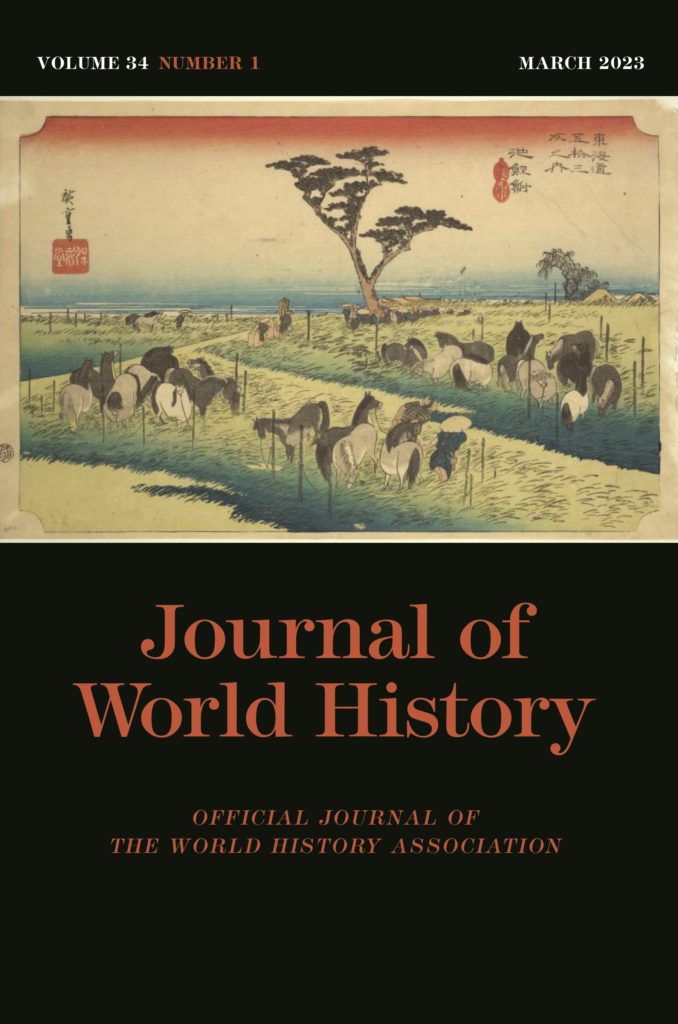
Special Issue: Global Travel, Exploration, and Comparative Study of Empire
Volume 34, Number 1 (2023)
In this new special issue Guest Editor Scott C. M. Bailey discusses the fascinating study of long-distance travelers during the late nineteenth century in this introduction:
This special issue addresses what can be gained from a comparative examination of long-distance travelers during the age of empire. Questions to address include: to what extent did the individual identities, personalities, and backgrounds of elite travelers relate to their opinions on the state of colonial or imperial affairs which they observed in their travels? Were imperial travelers’ observations representative of the imperial core’s opinions and assumptions about imperial spaces, including peripheral ones? To what degree did individual travelers who were traveling to destinations which were under the control of a rival imperial power provide descriptions or impressions which confirmed or rejected assumptions about the colonial or imperial relationship? Can travelers’ descriptions (those travelers from outside or competing empires) be used to provide an objective view of the nature of competing empires? How did factors like the occupations, educational backgrounds, class identifications, gender, life experiences, race, identity, or cultural backgrounds of individual travelers define or shape their descriptions? How did the purposes of these travels relate to the kinds of observations which were made? The articles in this special edition address these important questions, while also highlighting reasons why this era saw an increase in the volume and frequency of international long-distance travel.
Find more articles, review articles, and book reviews at Project MUSE.
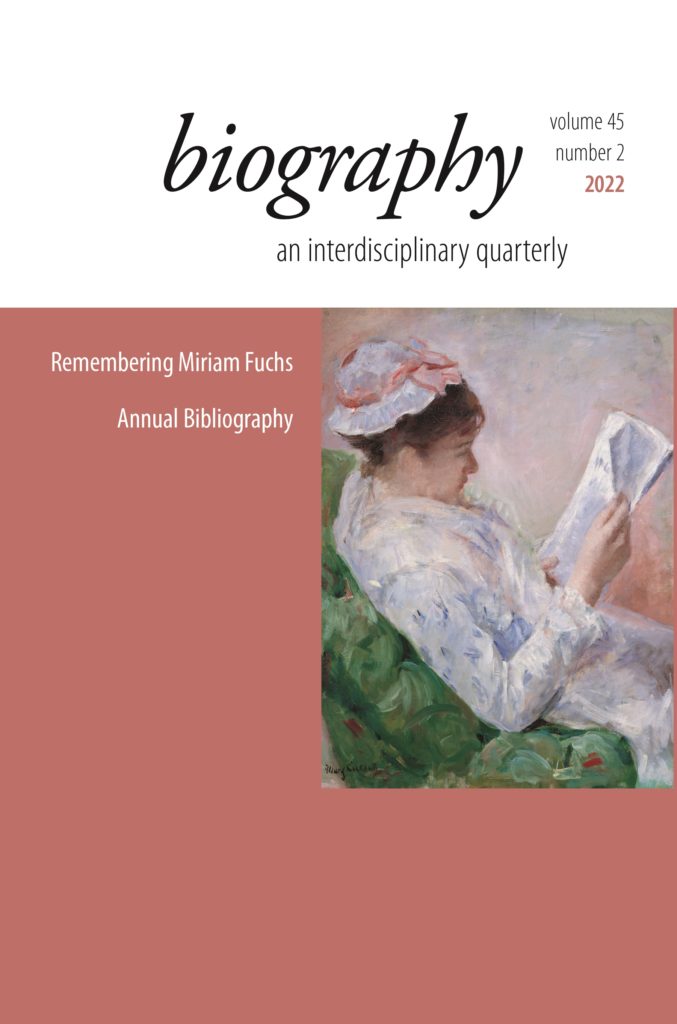
The new issue contains the following articles as a remembrance for Miriam Fuchs who was an active contributor to the journal. It also contains the annual bibliography:
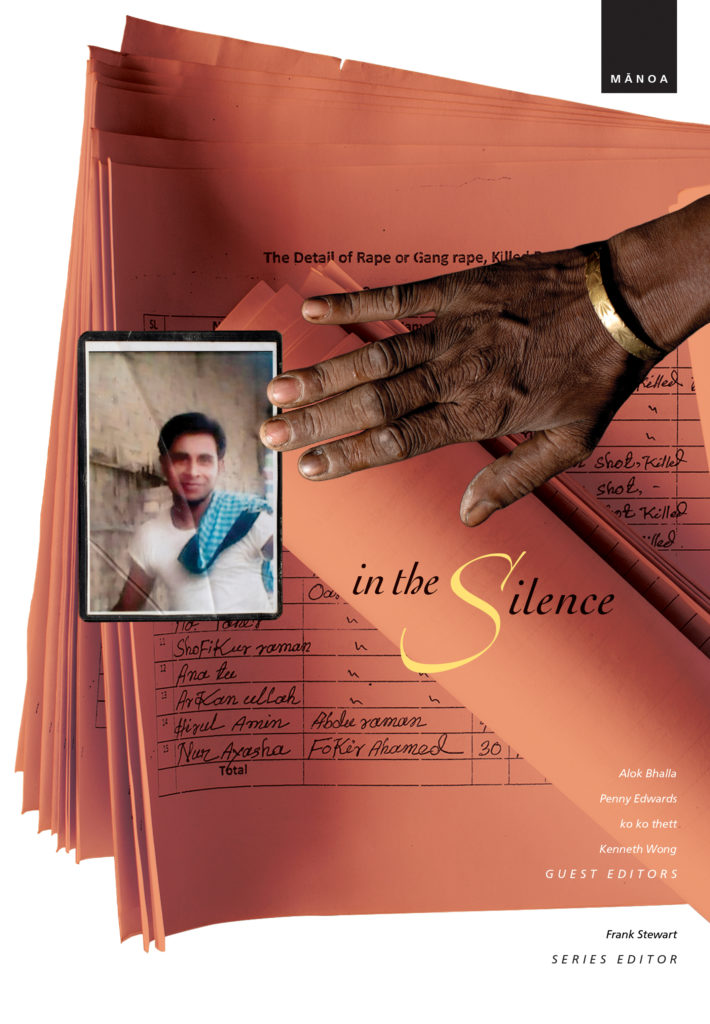
The new Mānoa issue features a special section on the literature of Burma/Myanmar. In the introduction, “To Write a History,” guest editors Penny Edwards, ko ko thett, and Kenneth Wong begin:
“‘How to write history / in a language / that has no past tense’ asks co-editor ko ko thett in his poetry collection The Burden of Being Burmese. How to publish literature under a military regime with no future tense?
“In Myanmar today, the simplest utterance is punishable as the defamation of the state. A song, a poem, a music video, an elegy are all open invitations to a cowardly regime to pursue their authors with impunity.”
Find literature from Burma/Myanmar, South Asia and more at Project MUSE.
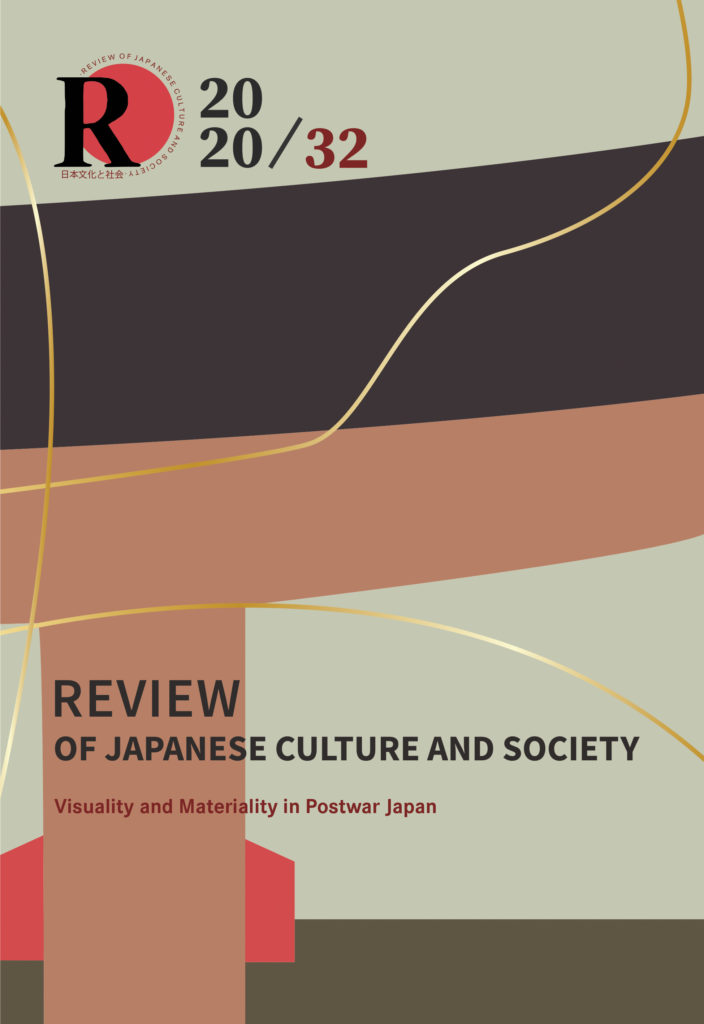
The new issue includes the special section, “Visuality and Materiality in Postwar Japan” guest edited by Álex Bueno and Yasutaka Tsuji, and “Japan in Los Angeles” edited by Rika Hiro. Selections include:
Lactating feral pig, Sus scrofa, on Hawai‘i Island from “Biology and Impacts of Pacific Islands Invasive Species. 14. Sus scrofa, the Feral Pig (Artiodactyla: Suidae)” in this issue. (Photo: U.S. Geological Survey.)
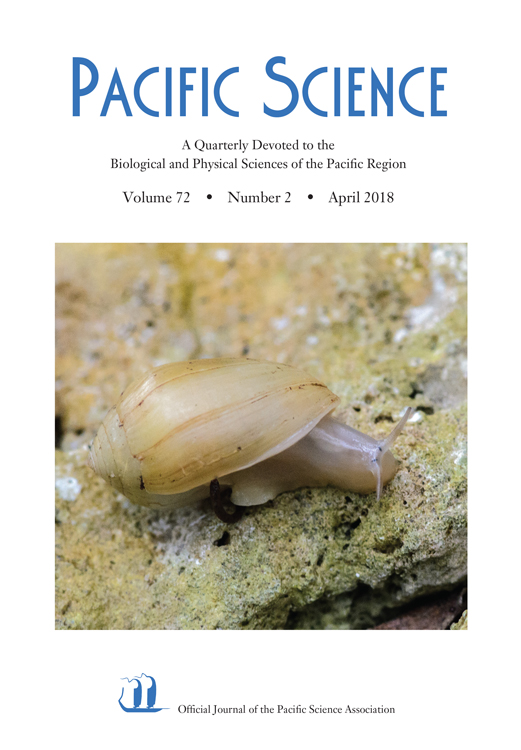
The second issue in volume 72 of Pacific Science, the official journal of the Pacific Science Association, includes the 14th article in the “Biology and Impacts of Pacific Islands Invasive Species” series, plus seven more research articles.
Preview volume 72, number 2 below and find a list of all articles available on BioOne and Project MUSE.
Appearing quarterly since 1947, Pacific Science is an international, multidisciplinary journal reporting research on the biological and physical sciences of the Pacific basin. It focuses on biogeography, ecology, evolution, geology and volcanology, oceanography, paleontology, and systematics.
Contributions to the biological and physical sciences of the Pacific area are welcomed from authors in all parts of the world. See Pacific Science‘s submission guidelines for details.
Abstract: This essay examines the connections between the British free trade experiment, the reorganizing of the British Empire and the ultimate suppression of the transatlantic slave trade to Brazil in its fully global operative context. While most analyses of the nineteenth-century transatlantic slave trade focus on bilateral diplomatic relations or national decision-making processes, this essay puts forth a broader analytical framework. It places the end of the transatlantic illegal slave trade to Brazil in 1850 within the dynamics of the world-economy. In a broader sense, this essay sheds new light on debates about capitalism and slavery as it reveals nineteenth-century capitalism not as a static background for historical analysis, but rather as a dialectical process moving through a sequence of disruptive commodity market integrations, each of which posed specific economic and political challenges for slaveholders and antislavery actors alike.
Abstract: By the early 1900s, globalization and imperialism had created cosmopolitan cities such as the Chinese treaty port of Shanghai, where foreign minorities lived side by side. The outbreak of the First World War put enormous pressure on these multiethnic urban societies. By exploring how the war altered the cohabitation of Westerners in Shanghai, this article connects with current debates on the mechanisms of longdistance nationalism and cosmopolitanism as well as on the importation of conflict in diaspora communities. The many imperial diasporas of Shanghai mostly lived in the French- and British-controlled territories, where the balance of power was renegotiated during the war. Analyzing local community newspapers and diplomatic archives, this article explains why nationalism superseded the shared feeling of cosmopolitanism that prevailed before the war. The cosmopolitan tradition and political complexity clearly delayed the arrival of the war at Shanghai, but could not prevent the process.
Abstract: This article considers India’s participation in the Bretton Woods conference, where the framework for the post-World War II global economic order emerged. Building on the new historiography of Bretton Woods as well as a more specialized literature on the Indian economy, it shows India’s role in Bretton Woods at the confluence of national, imperial, and global historical processes. The article argues that India’s presence in the conference shaped the evolution of the country’s relationship to international economic institutions. The article addresses India’s changing role in the British Empire and world economy, the evolution of a discourse of Indian economic development alongside anti-colonial nationalism, the formulation of Indian objectives for the conference in the aftermath of the economic dislocations of World War II, and the interpretation of the outcomes of the meeting at home that informed India’s subsequent ambiguous relationship with international economic organizations.
The Journal of World History publishes research into historical questions requiring the investigation of evidence on a global, comparative, cross-cultural, or transnational scale. It is devoted to the study of phenomena that transcend the boundaries of single states, regions, or cultures, such as large-scale population movements, long-distance trade, cross-cultural technology transfers, and the transnational spread of ideas.
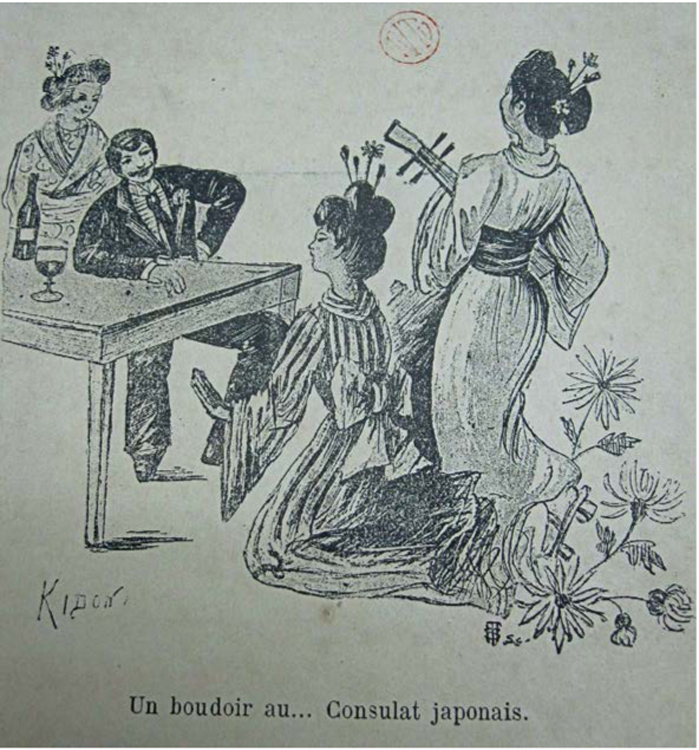
Japanese sex workers occupied a special place in the desires and fantasies of French colonial men in Asia as seen in ‘Our Hungarians,’ La Vie Indo-Chinoise, November 13, 1897. From “Sex and the Colonial City” in this issue.
Journal of World History volume 28, numbers 3&4is a special double issue guest edited by Tracey Rizzo on Gender and Empire. It includes more than 400 pages of articles and book reviews from world history scholars.
Gender and Empire as a subfield of world history goes beyond the study of the men and women who made and unmade empires. Intimacies generated ties that facilitated or impeded the modernization of family and nation, demarcating contact zones. Bodies–adorned, fetishized, public–displayed and negotiated imperial relations. Detritus, the material remains of empire and intimacy, lodged itself in the institutions and discourses of modernity. When world historians talk across boundaries and borders, we situate disjointed ruins in broader trends and patterns, without which they are mere curiosities. Assembled here: a Chinese scalp; a silver buckle from Malaya; a bawdy cartoon from Hanoi; a hybrid recipe from Nigeria; dossiers from Lebanon and El Salvador; government orders promoting or suppressing prostitution… Confined to a national or even imperial history, such fragments do not tell us anything about coloniality. Here they do.
The Journal of World History publishes research into historical questions requiring the investigation of evidence on a global, comparative, cross-cultural, or transnational scale. It is devoted to the study of phenomena that transcend the boundaries of single states, regions, or cultures, such as large-scale population movements, long-distance trade, cross-cultural technology transfers, and the transnational spread of ideas.

A blue shark (Prionace glauca) caught by a Japanese research vessel in the western North Pacific Ocean. Fujinami et al. (this issue) analyzed feeding habits of blue sharks in the Northwestern Pacific. Photo credit: Akira Kurashima, National Research Institute of Far Seas Fisheries.
Pacific Science, the official journal of the Pacific Science Association, begins 2018 with new research on sharks, dolphins, cats, and more biological and physical studies. Preview volume 72, number 1 below and find a list of all articles available on Bio-One and Project MUSE.
Contents
Loss of Reservoir Capacity through Sedimentation in Hawai‘i: Management Implications for the Twenty-First Centuryby Kim Falinski and David Pen
Feeding Habits of the Blue Shark (Prionace glauca) in the Northwestern Pacific Based on Stomach Contents and Stable Isotope Ratiosby Yuki Fujinami, Sayaka Nakatsuka, and Seiji Ohshimo
Presence, Behavior, and Resighting Pattern of Transient Bottlenose Dolphins (Tursiops truncatus) in the Humboldt Current System off North-Central Chile by Macarena Santos-Carvallo, Maritza Sepúlveda, Rodrigo Moraga, Mauricio F. Landaeta, Doris Oliva, and María José Pérez-Alvarez
Modeling Impacts of Hunting on Control of an Insular Feral Cat Population by Brian T. Leo, James J. Anderson, James Ha, Reese B. Phillips, and Renee R. Ha
Resource Availability, Propagule Supply, and Effect of Nonnative Ungulate Herbivores on Senecio madagascariensis Invasionby Erin J. Questad, Amanda Uowolo, Sam Brooks, Robert Fitch, and Susan Cordell
Appearing quarterly since 1947, Pacific Science is an international, multidisciplinary journal reporting research on the biological and physical sciences of the Pacific basin. It focuses on biogeography, ecology, evolution, geology and volcanology, oceanography, paleontology, and systematics.
Contributions to the biological and physical sciences of the Pacific area are welcomed from authors in all parts of the world. See Pacific Science‘s submission guidelines for details.
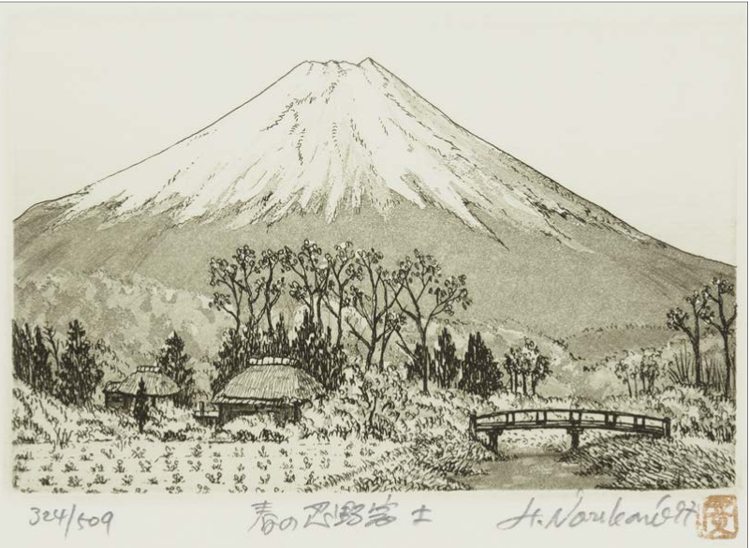
Mountain/Home presents new translations of selected Japanese works from the medieval period to the present. The volume opens with traditional folktales, court poetry, Edo Period poetry, and contemporary fiction—all from “One Hundred Literary Views of Mount Fuji,” a collection of fiction, poetry, and nonfiction related to Japan’s national symbol. The works reveal how Japanese attitudes toward Mount Fuji have changed over time, particularly after the country was opened to the West in the nineteenth century.
Table of Contents
One Hundred Literary Views of Mount Fuji:Mount Fuji has been celebrated by poets, novelists, and playwrights for almost 1,500 years, from Japan’s earliest literary works to the present. Peter MacMillan provides these translations and introductions.
The Tale of the Bamboo Cutter: Taketori Monogatari, a tenth-century tale, recounts the origin of Mount Fuji’s name and is one of the earliest examples of Japanese literary fiction.
Love Song and Reply:These poems are from the Gosen Wakashū, a major tenth-century anthology of Japanese poetry. Many of the waka in the collection are “dialogue poems,” written in pairs by men and women of the court, speaking the cloaked language of secret love affairs, seductions, and laments.
from The Confessions of Lady Nijo:Lost for over six hundred years, Lady Nijo’s manuscript was discovered by a Japanese scholar in the Imperial Library in 1940.
A Tale of a Mount Fuji Cave:This story from the Kamakura Period tells of a journey to the mouth of hell and back.
Two Haiku by Matsuo Bashō: His poetry broke from the decadent style of the time, finding instead a resonance with nature, simplicity, spontaneity, and originality.
Sanshirō:In this excerpt from Natsume Soseki’s 1908 coming-of-age novel, the protagonist, Ogawa Sanshiro, is twenty-three years old.
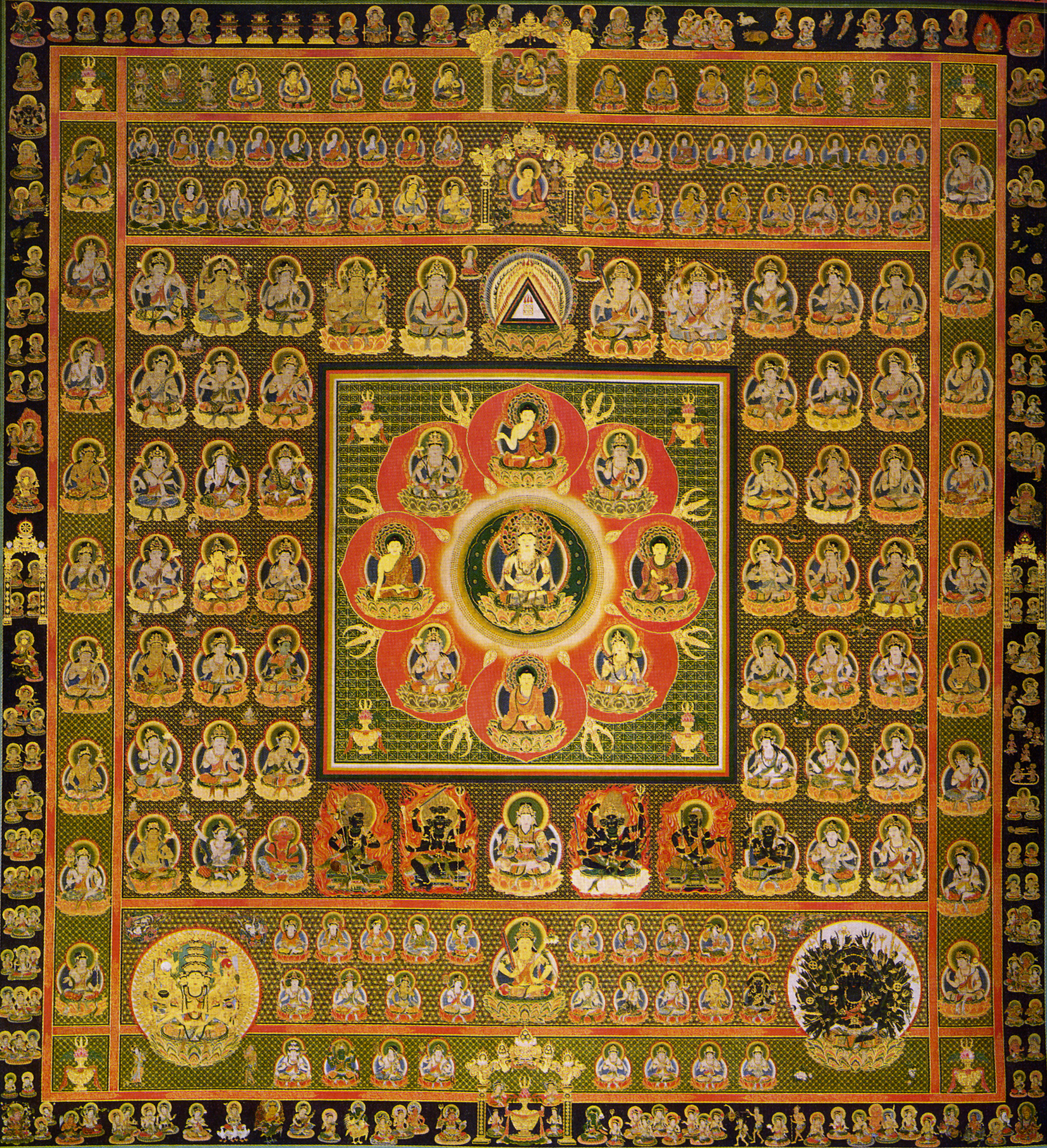
Mandala of the Two Worlds (Ryōkai mandara), one of two hanging scrolls, Edo period (1693). Ink and colors on silk, 410.9 x 378.4 cm (each). Tōji Temple, Kyoto. Source: Sawa and Hamada (1983–1984, 24, 29). From “Sankei Mandara: Layered Maps to Sacred Places,” in this issue.
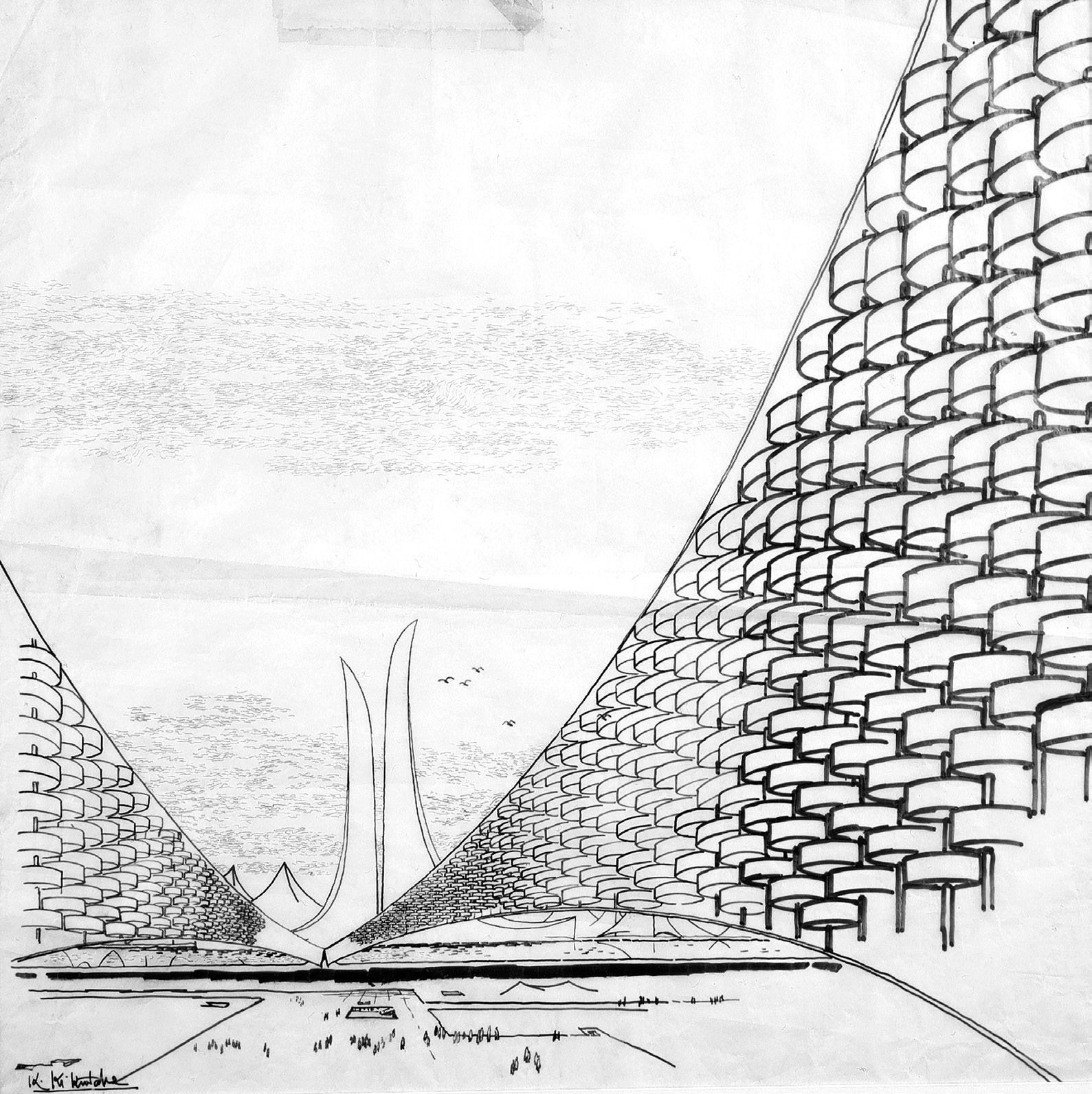
…“Japanese design” possesses one of the most recognizable profiles, albeit one with multiple personalities. Notions of minimalism, Zen, wabi-sabi, and cute are often ascribed as inherent attributes of Japanese design. This profile operates across media and disciplines, from graphic design to architecture and interiors, product and furniture design, and fashion and newer industries like interaction or experience design. On the one hand, we hear of “Zen minimalism” associated with architecture, interiors, and the simple lines and matte surfaces of sophisticated product design, and on the other hand, a sort of frenetic hyper-cute sensibility associated with youth culture and digital design.
— Design and Society in Modern Japan: An Introduction, by Ignacio Adriasola, Sarah Teasley, and Jilly Traganou
DESIGN AND SOCIETY IN MODERN JAPAN
Japan’s Industrial Arts: Present and Future (1917) (translated by Penny Bailey)
by Yasuda Rokuzō
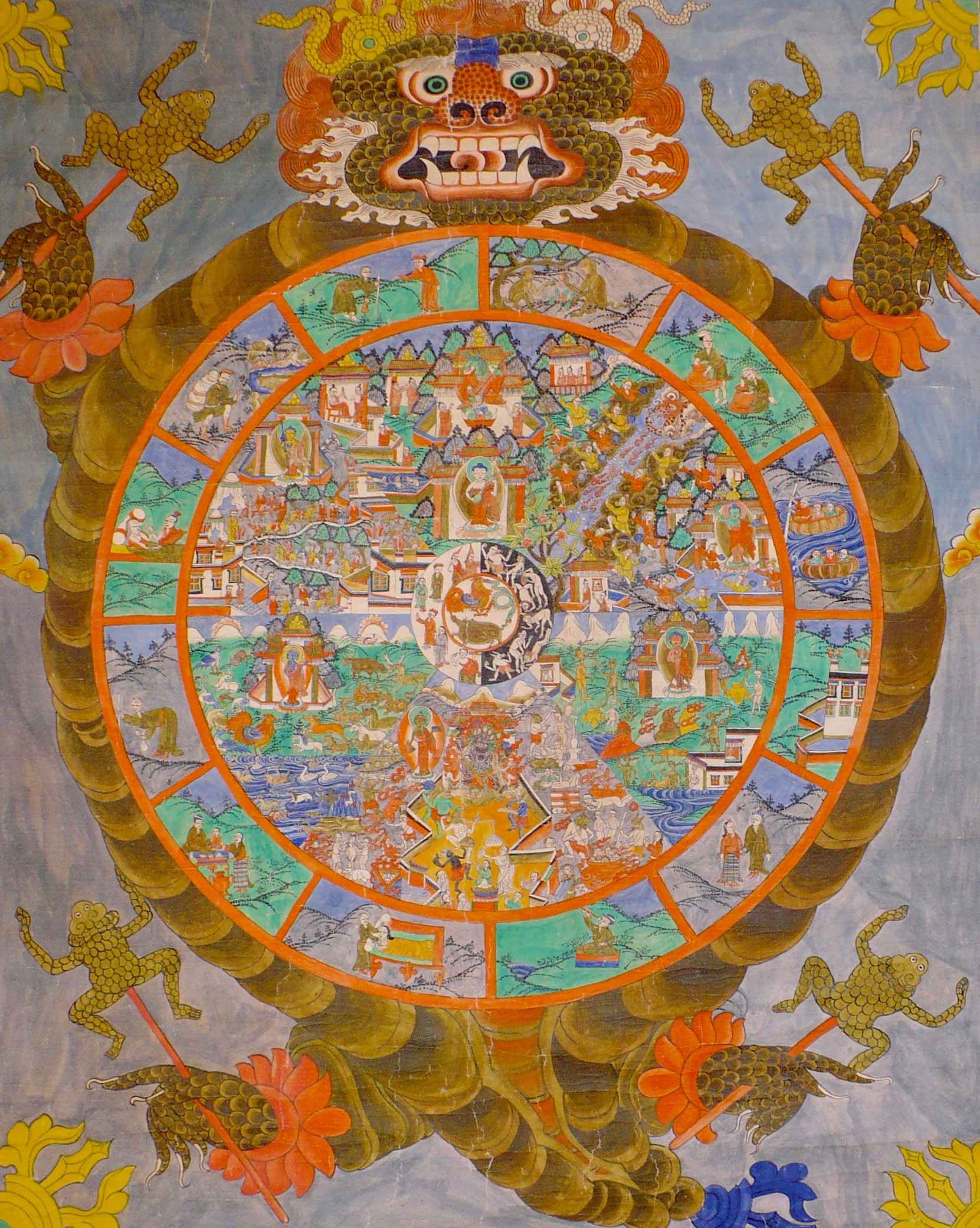
From Cartographic Anxieties in Mongolia: The Bogd Khan’s Picture-Map Uranchimeg Tsultemin. Bhavacakra, the Buddhist Wheel of Life. Thangka painting, Central Tibet, late nineteenth century. Source: Theos Bernard-Eleanor Murray collection, Berkeley Art Museum and Pacific Film Archive.
From Cartographic Anxieties in Mongolia: The Bogd Khan’s Picture-Map Uranchimeg Tsultemin. Bhavacakra, the Buddhist Wheel of Life. Thangka painting, Central Tibet, late nineteenth century. Source: Theos Bernard-Eleanor Murray collection, Berkeley Art Museum and Pacific Film Archive.