



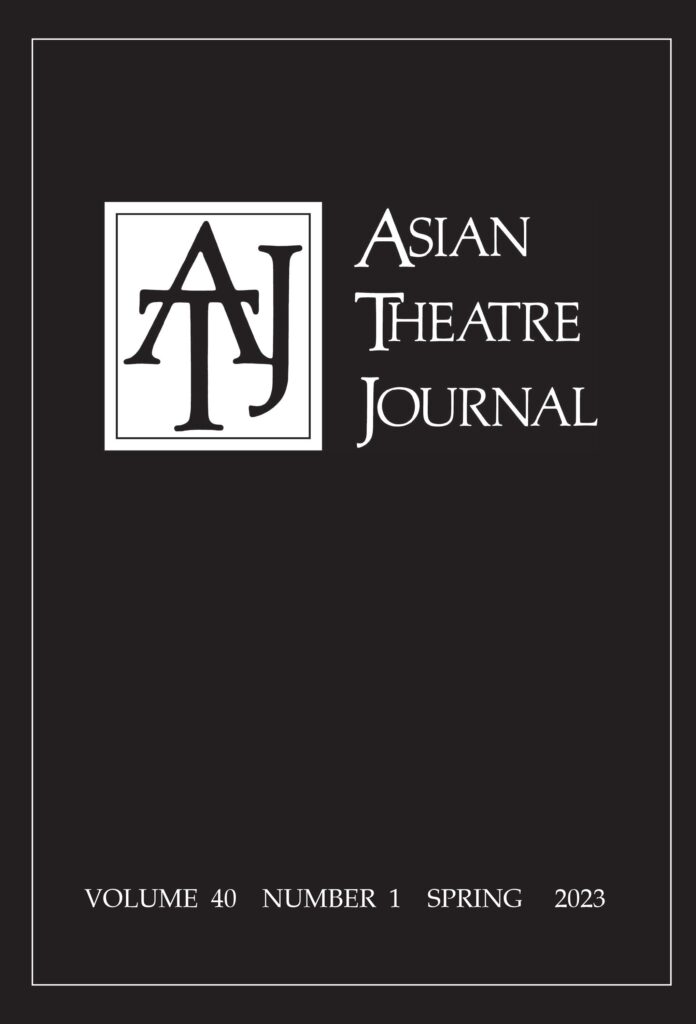
Asian Theatre Journal
Volume 40, Number 1 (2023)
This new issue commemorates key individuals in Asian theatre. Editor Siyuan Liu explains:
This issue starts with two long-planned articles in ATJ’s ‘founders of the field’ series that started with two clusters of articles in 2011 (28.2) and 2013 (30.2), followed by a number of ‘founding mothers’ articles between 2014 and 2017 (31.1, 32.2, 33.2, 34.1), continuing in this issue with Carol Fisher Sorgenfrei’s profile of Betty Bernhard and Julie Iezzi’s article on Jonah Salz. Sorgenfrei focuses on Bernard’s extraordinary capacity in discovering and promoting aspects of Indian performance to the world through fundraising and sponsoring international engagements by India artists, students training and productions of India plays with Indian artists at Pomona College, as well as several research based films and videos, all of which made Bernard, as Sorgenfrei puts it, ‘an important influencer well before that concept became a social media meme.’
The second ‘founder’ article, written by Julie Iezzi, focuses on Jonah Salz, who stands out, in comparison to other founders profiled in this series, as a Western theatre director, producer, teacher, scholar, and translator primarily based in an Asian country, in his case Kyoto, Japan. Among Salz’s wide-ranging accomplishments, Iezzi focuses on his co-founded Noho Theatre Group that has produced hundreds of shows and toured internationally over forty years; his co-established Traditional Theatre Training (TTT) program that since 1984 has trained hundreds of artists in noh, kyōgen, and nihon buyō; and his research and publications, most notably as editor-in-chief of A History of Japanese Theatre, a monumental achievement via international collaboration.
Find more articles at Project MUSE.
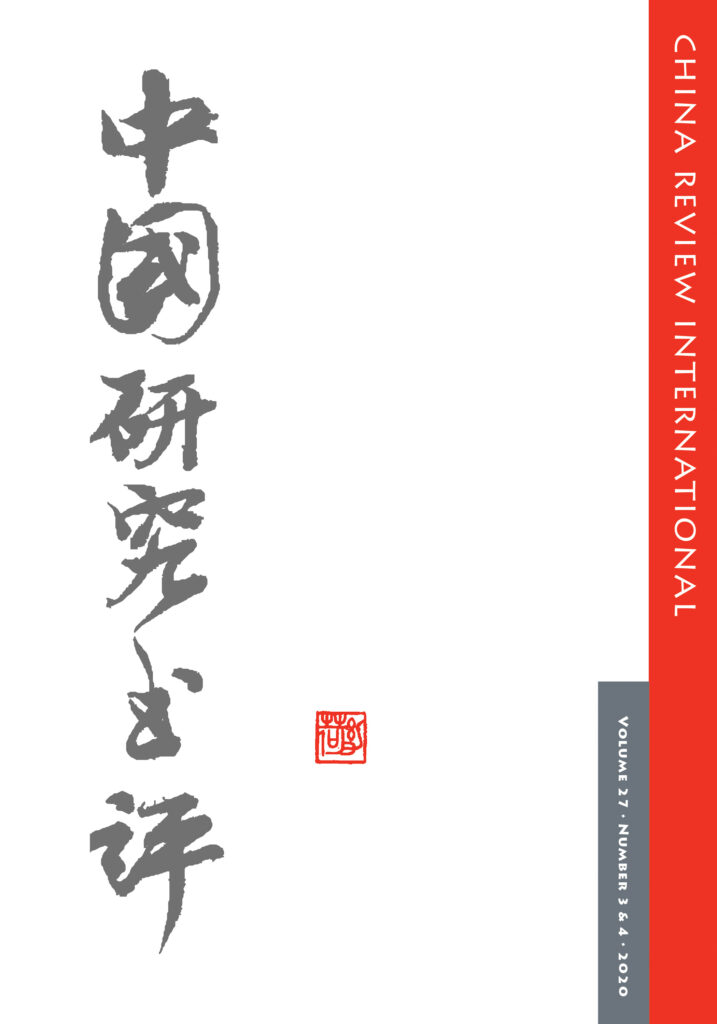
China Review International
Volume 27, Numbers 3& 4 (2020)
The new double issue includes the following reviews:
Vincent Goossaert. Making the Gods Speak: The Ritual Production of Revelation in Chinese Religious History.
Reviewed by Gilbert Z. Chen
Susan Greenhalgh and Li Zhang, editors. Can Science and Technology Save China?
Reviewed by Robert Peckham
Li Guo. Writing Gender in Early Modern Chinese Women’s Tanci Fiction.
Reviewed by Jing Zhang
Dongfeng Xu. Friendship and Hospitality: The Jesuit-Confucian Encounter in Late Ming China.
Reviewed by Bin Song
Brook Ziporyn. Zhuangzi: The Complete Writings.
Reviewed by David McCraw
Find more reviews at Project MUSE.
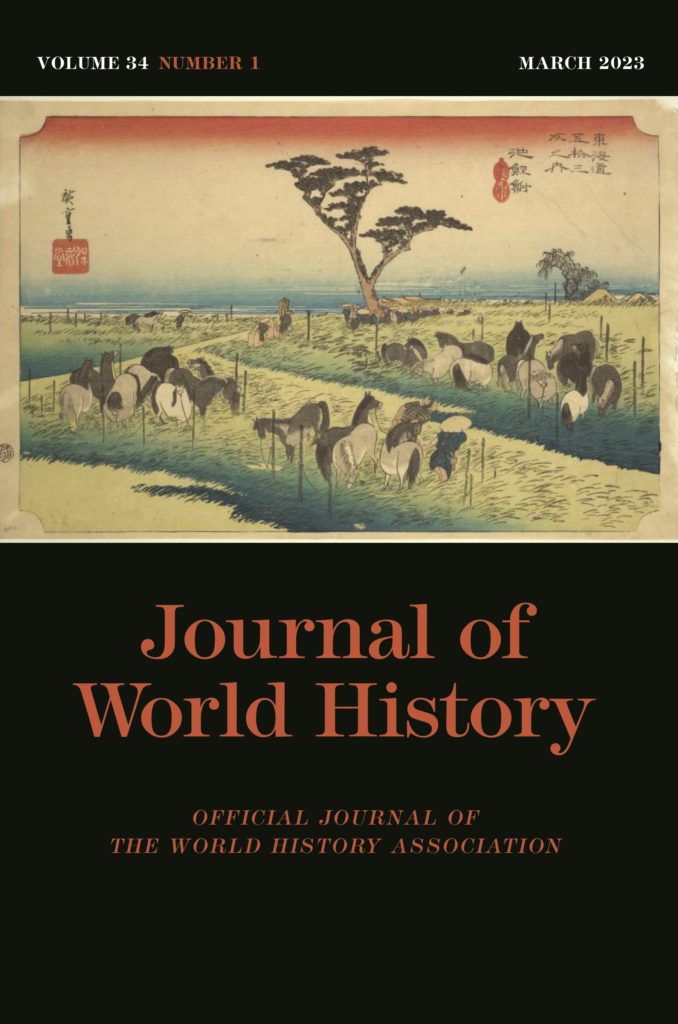
Journal of World History
Special Issue: Global Travel, Exploration, and Comparative Study of Empire
Volume 34, Number 1 (2023)
In this new special issue Guest Editor Scott C. M. Bailey discusses the fascinating study of long-distance travelers during the late nineteenth century in this introduction:
This special issue addresses what can be gained from a comparative examination of long-distance travelers during the age of empire. Questions to address include: to what extent did the individual identities, personalities, and backgrounds of elite travelers relate to their opinions on the state of colonial or imperial affairs which they observed in their travels? Were imperial travelers’ observations representative of the imperial core’s opinions and assumptions about imperial spaces, including peripheral ones? To what degree did individual travelers who were traveling to destinations which were under the control of a rival imperial power provide descriptions or impressions which confirmed or rejected assumptions about the colonial or imperial relationship? Can travelers’ descriptions (those travelers from outside or competing empires) be used to provide an objective view of the nature of competing empires? How did factors like the occupations, educational backgrounds, class identifications, gender, life experiences, race, identity, or cultural backgrounds of individual travelers define or shape their descriptions? How did the purposes of these travels relate to the kinds of observations which were made? The articles in this special edition address these important questions, while also highlighting reasons why this era saw an increase in the volume and frequency of international long-distance travel.
Find more articles, review articles, and book reviews at Project MUSE.
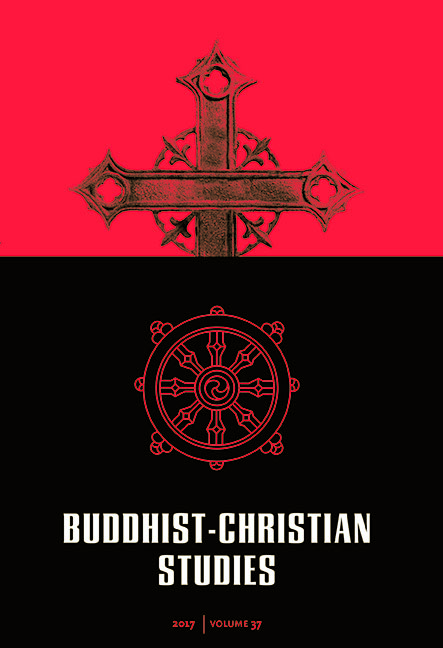 A scholarly journal devoted to Buddhism and Christianity and their historical and contemporary interrelationships, Buddhist-Christian Studies presents thoughtful articles, conference reports, and book reviews. It also includes sections on comparative methodology and historical comparisons, as well as ongoing discussions from two dialogue conferences: the Theological Encounter with Buddhism, and the Japan Society for Buddhist-Christian Studies.
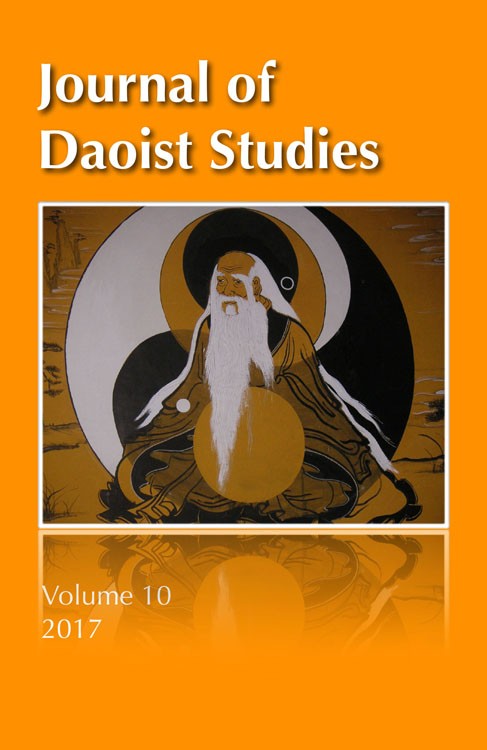 The Journal of Daoist Studies (JDS) is an annual publication dedicated to the scholarly exploration of Daoism in all its different dimensions. Each issue has three main parts: Academic Articles on history, philosophy, art,society, and more (limit 8,500 words); Forum on Contemporary Practice on issues of current activities both in China and other parts of the world (limit 5,000 words); and News of the Field, presenting publications, dissertations, conferences and websites.
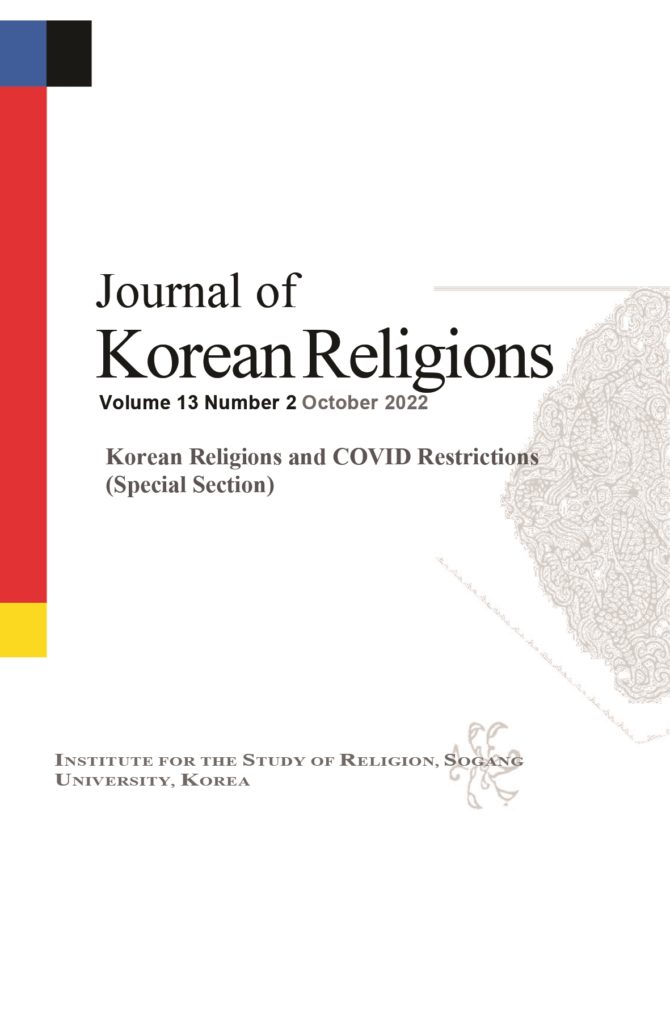
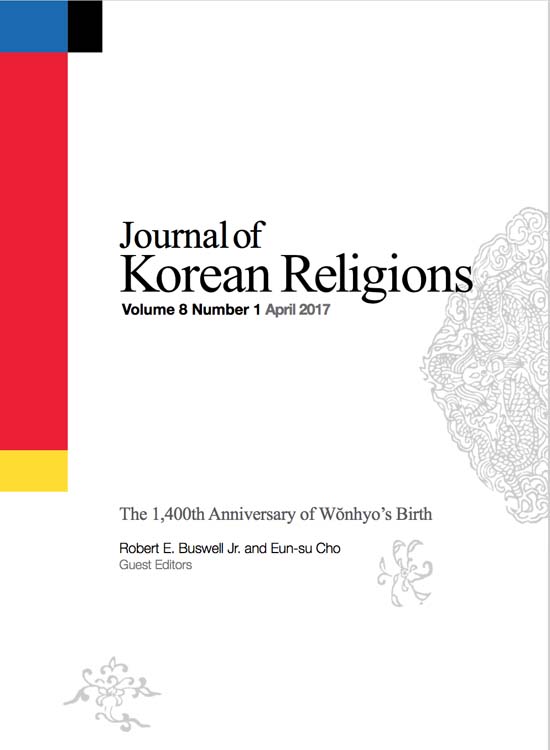 The Journal of Korean Religions is the only English-language academic journal dedicated to the study of Korean religions. It aims to stimulate interest in and research on Korean religions across a range of disciplines in the humanities and social sciences. Launched in 2010 by the Institute for the Study of Religion at Sogang University in Korea, it is peer-reviewed and published twice yearly, in April and October.
 and West has for over half a century published the highest-quality scholarship that locates these cultures in their relationship to Anglo-American philosophy. Philosophy defined in its relationship to cultural traditions broadly integrates the professional discipline with literature, science, and social practices. Each issue includes debates on issues of contemporary concern and critical reviews of the most recent publications.