The U.S.–Japan Women’s Journal is an interdisciplinary, peer-reviewed, biannual publication, available in print and online that promotes scholarly exchange on social, cultural, political, and economic issues pertaining to gender and Japan. The U.S.–Japan Women’s Journal encourages comparative study among Japan, the United States, and other countries. We welcome contributions from all academic fields in the social sciences and humanities and proposals for special issues. Our mission is to foster the work of young researchers and to ensure that the achievements of established scholars are not forgotten.
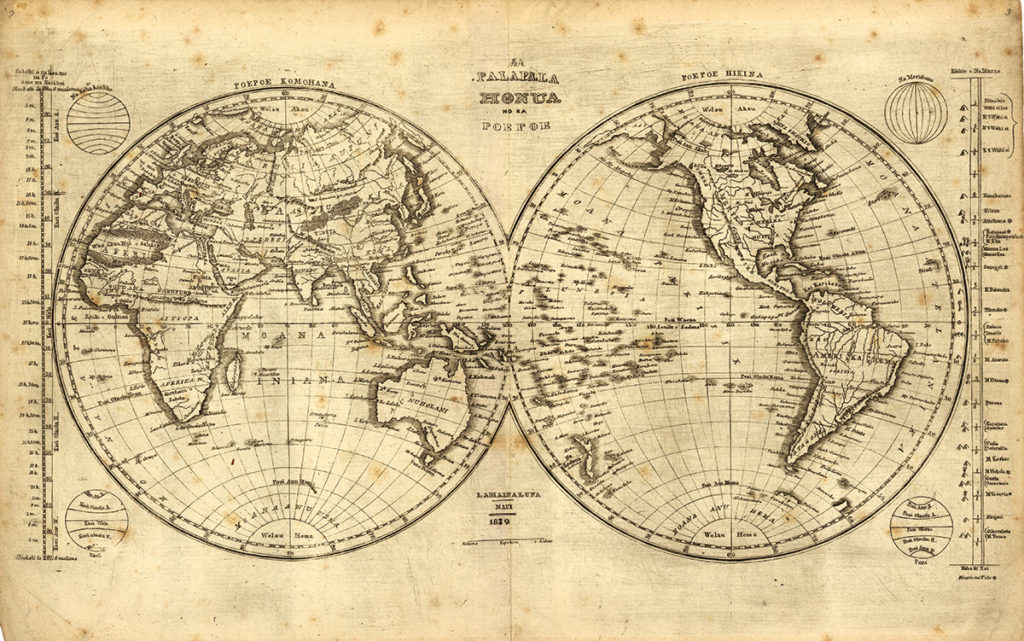
From the front cover: He mau palapala aina, a me na niele e pili ana. Hookahi ke pai ana. Lahaina, 1840. Library of Congress, www.loc.gov/item/98687131/.
INTERNATIONAL YEAR IN REVIEW
The International Year in Review is a collection of short, site-specific essays on the year’s most influential publications in life writing. This year’s collection includes entries from Australia, Austria, Brazil, Canada, China, Colombia, Estonia, France, the Gulf Cooperation Council, India, Italy, Korea, Lebanon, Mexico, the Netherlands, Palestine, Poland, Portugal, Puerto Rico, Romania, South Africa, Spain, the UK, and two essays from the US, one on biography and one on memoir.
The Korean colonial period (1910-1945) was a time of tumultuous transformation, not merely because Korea lost its sovereignty and suffered the humiliation of being subjugated by Japan–a country that Korean elites had long viewed as culturally inferior–but because a whole host of social, educational, cultural, economic, and political changes were instituted that altered the fabric of life irrevocably. Although progressive reformers sought to introduce some changes by means of a failed coup d’état in 1884 (Kapsin chŏngbyŏn), and other reformers encouraged King Kojong (r. 1863-1907) to make changes known collectively as the Kabo Reforms (Kabo kaehyŏk, 1894-1896) in the late Chosŏn period and during the short-lived Great Han Empire (1897-1910), radical changes and challenges to traditional ways of life occurred primarily in the colonial period.
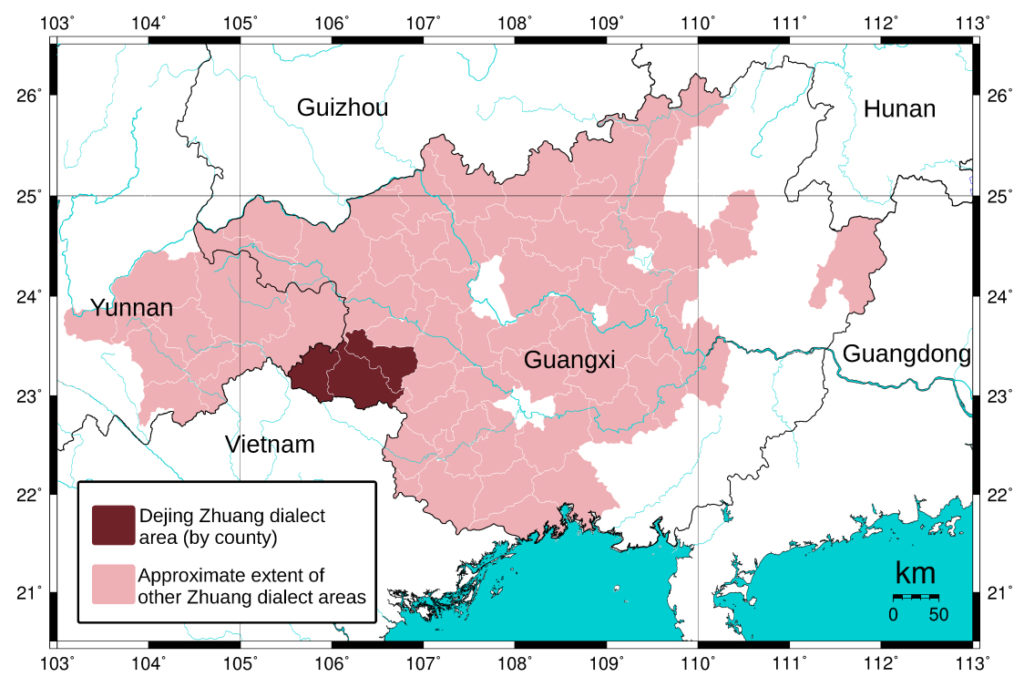
Location of the Dejing dialect area where Yang is spoken, a figure in Eric Jackson’s “Two-Part Negation in Yang Zhuang” this issue.
The first issue of Journal of the Southeast Asian LinguisticsSociety‘s 12th volume is complete and available on the university open-access platform, ScholarSpace.
Every quarter, China Review International presents timely, English-language reviews of recently published China-related books and monographs. Its multidisciplinary scope and international coverage make it an indispensable tool for all those interested in Chinese culture and civilization, and enable the sinologist to keep abreast of cutting-edge scholarship in Chinese studies.
Subscriptions
Individual and institutional subscriptions available through UH Press.
Submissions
China Review International publishes reviews of recent scholarly literature and “state-of-the-art” articles in all fields of Chinese studies. Reviews are generally published by invitation only; however, unsolicited reviews will be considered for publication based on merit and guidelines can be found here.
Colonial British India witnessed a large increase in the formation of socio-religious reform movements during the nineteenth and twentieth centuries. The major religious groups in British India sought to address the criticisms of Christian missionaries, enact responses to changing social and economic conditions under British imperialism, and attempt to resolve problems in their communities. This article examines the work of Daud Shah, an advocate for socio-religious reforms among Tamil-speaking Muslims in the Madras Presidency and the Bay of Bengal littoral. Existing research on Shah has examined his work within the context of social and political developments within the colonial Madras Presidency. This article argues that a proper assessment of Shah’s contribution to socio-religious reform can only be made by including the transnational aspects of his reform efforts, including sources of his religious knowledge and the impact of his actions on the diasporic community of Tamil Muslims in the Indian Ocean.
Under the “revolution paradigm” of existing Chinese historiography, Han Chinese intellectuals of the late nineteenth and early twentieth centuries are viewed as either supporting or resisting monarchical rule in Qing China (1644–1912). This article examines the implications of Guangdong intellectual Ou Jujia’s (1870–1912) magnum opus, New Guangdong, for late Qing politics. New Guangdong called for Guangdong’s independence from the Qing so that it could later reunite with other provinces as a federated China. Although Ou Jujia’s attempts to launch an independence movement had remained marginal to the reformist and revolutionary visions of governance and national unity, he embedded provincial consciousness in the modern, Western-inspired language of federalism. By suggesting that Guangdong could become a unique model province of a reformed China, Ou Jujia defined the “province” as the basic unit of Chinese federalism and made it central to discussions of China’s future in the 1900s.
By the late seventeenth century, independent maritime organizations such as the Suetsugu could not survive the changing dynamics of an East Asian maritime world that became increasingly polarized by Tokugawa Japan and the Qing Empire. Through their alliance to the Zheng family, the Suetsugu sought to maintain an independent network of merchants, smugglers, and pirates. Suetsugu connections to the Zheng family expanded Tokugawa commercial relations to ports throughout Asia. However, when the Qing conquered China in the mid-seventeenth century, Tokugawa Japan came to increasingly fear war with this emerging empire. The activities of the Zheng family and their allies, the Suetsugu, nearly brought East Asia to the brink of conflict in 1676. Instead of risking war with the Qing Empire, the Tokugawa chose to arrest and banish Suetsugu Heizō IV to maintain the stability of their regime within a multipolar international framework that was East Asia’s new reality.
In the late nineteenth and early twentieth centuries, the French colonial government in Indochina and the settler colonial nations of the United States, Australia, and Canada all engaged in the systematic removal of Indigenous and/or mixed-race children from their families. All four governments placed the children in institutions that were meant to sever ties to their home communities, re-educate and assimilate them, and then slot them into particular roles in the colonial social order. By comparing child removal programs in these four colonial contexts, we contend that diverse colonial administrations used child removal as a key strategy of governance to address various political and demographic problems. In the settler colonial nations, child removal functioned primarily as a means of eliminating Indigenous identities, cultures, and land claims. In Indochina, the French carried out child removal to create a French colonial elite that would reside permanently in the colony. This comparative approach reveals significant insight into colonial practices, including authorities’ preoccupation with intimate family lives and children’s upbringing, how officials and reformers turned to benevolent discourses to describe violent and coercive practices, how Indigenous women suffered from particular vilification, and how authorities removed Indigenous and/or mixed-race children to manage racial dynamics. The article particularly demonstrates the value of collaborative and comparative scholarship.
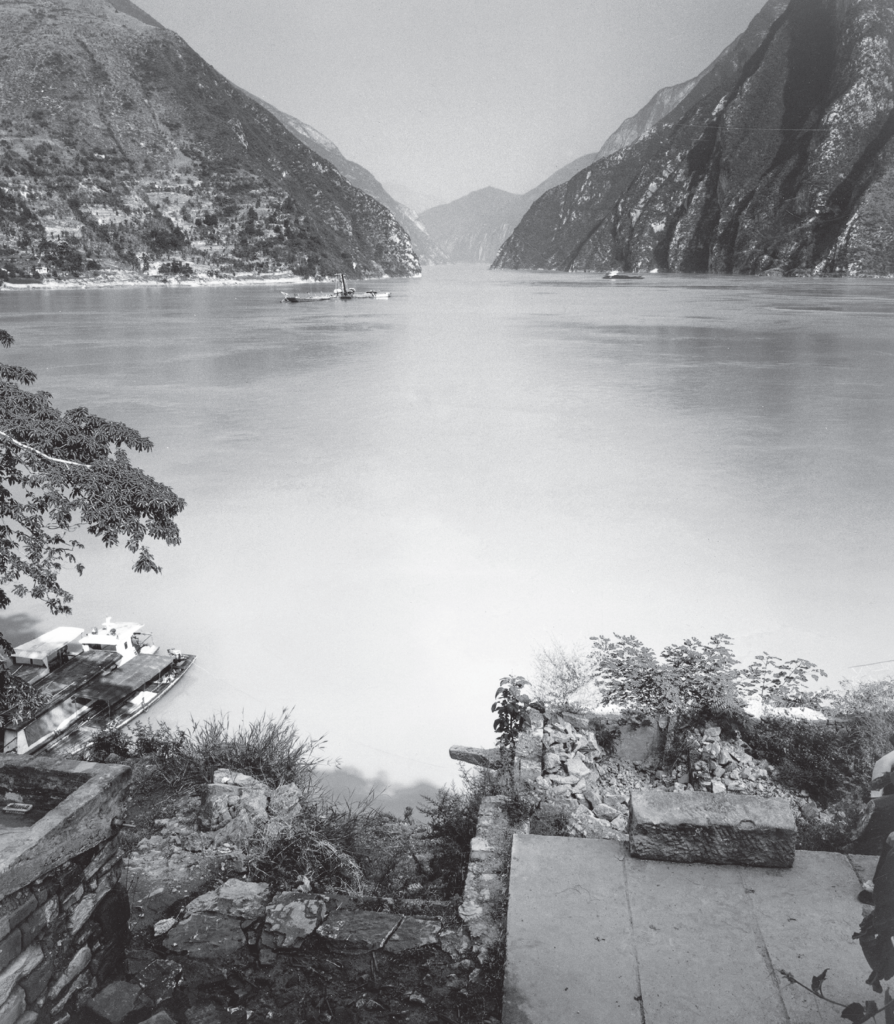
Qutang Gorge Entrance II, Daixi, 2003. In June 2003, when the reservoir formed, the confluence of the Daixi tributary and the Yangtze River disappeared beneath the waters, which washed over the feet of the distant mountains. The ruins of Daixi town also vanished. Photograph by Linda Butler, this issue.
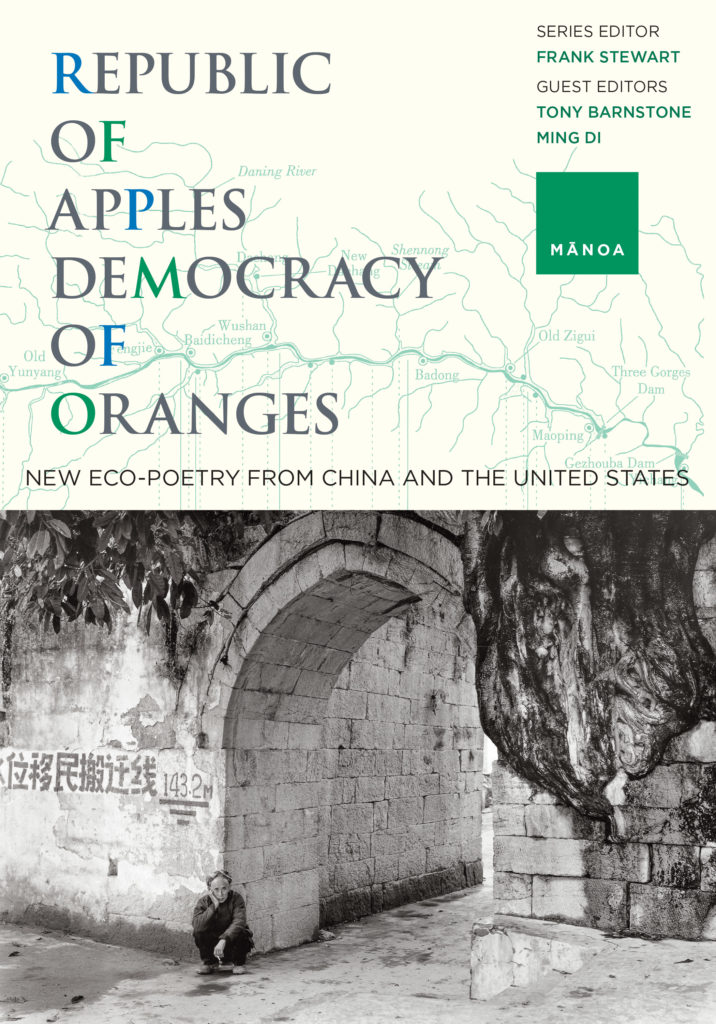
Republic of Apples, Democracy of Oranges presents nearly 100 poets and translators from China and the U.S.―the two countries most responsible for global carbon dioxide emissions and the primary contributors to extreme climate change. These poetic voices express the altered relationship that now exists between the human and non-human worlds, a situation in which we witness everyday the ways environmental destruction is harming our emotions and imaginations.
“What can poetry say about our place in the natural world today?” ecologically minded poets ask. “How do we express this new reality in art or sing about it in poetry?” And, as poet Forrest Gander wonders, “how might syntax, line break, or the shape of the poem on the page express an ecological ethics?”
Eco-poetry freely searches for possible answers. Sichuan poet Sun Wenbo writes:
… I feel so liberated I start writing about the republic of apples and democracy of oranges. When I see apples have not become tanks, oranges not bombs, I know I’ve not become a slave of words after all.
The Chinese poets are from throughout the PRC and Taiwan, both minority and majority writers, from big cities and rural provinces, such as Liangshan Yi Autonomous Prefecture and Xinjiang Uyghur, Tibet, and Inner Mongolia Autonomous Regions. The American poets are both emerging and established, from towns and cities across the U.S.
Included are images by celebrated photographer Linda Butler documenting the Three Gorges Dam, on the Yangtze River, and the aftermath of Hurricane Katrina, on the Mississippi River Basin.
The University of Hawaii Press will no longer be selling Cornell East Asia Series (CEAS) titles after June 17th. This is your last chance to purchase these titles from our website at significant discounts!
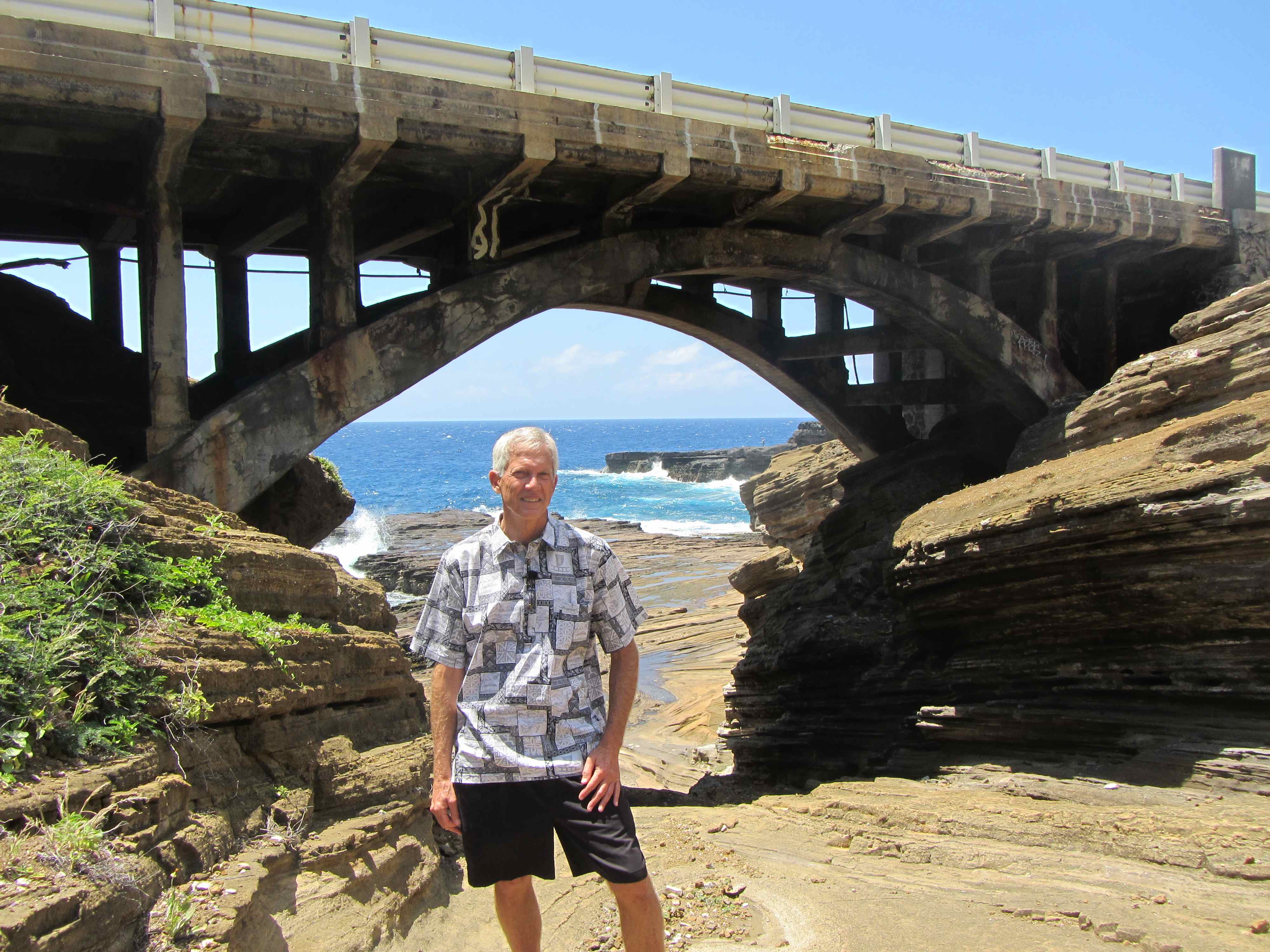
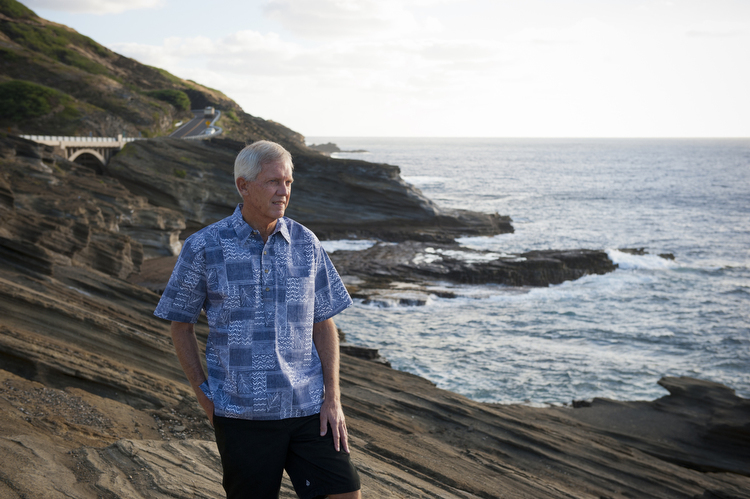
John R. Kukeakalani Clark is the author of ten books about Hawai‘i’s beaches, surf spots, and ocean lore, including North Shore Place Names: Kahuku to Ka‘ena and Hawaiian Surfing: Traditions from the Past. He is also a former lifeguard and a retired deputy fire chief of the Honolulu Fire Department. We decided to ask John what had inspired him to start writing about the islands.
From the author:
“In 1970 I completed a two-year tour of duty in the Army and returned home to Hawai‘i. A friend of mine was working as a City and County of Honolulu lifeguard and told me they were looking for more guards. I applied and was hired immediately by Captain Aloha Kaeo. He assigned me and another guard, Daryl Picadura, to Sandy Beach as its first full-time lifeguards.
“Daryl and I made a lot of rescues, and early in 1972 I decided we should be pro-active and try to reach people, especially our visitors, before they reached the beach. I thought we might be able to do it through a book, so I started writing, first about Sandy Beach, and then about all the other beaches on O‘ahu. I have a BA in Hawaiian Studies from UHM, so in addition to the water safety information, I included some Hawaiian history about the beaches with a focus on the mo‘olelo, the stories, behind their names.
“Later in 1972 I gave up my job as a lifeguard and joined the Honolulu Fire Department, but I continued to work on my manuscript. The UH Press published my first book, Beaches ofO‘ahu, in 1977. One book led to another and during my 33 years with HFD, I wrote six more books. I continued to write even after I retired at the end of 2005, and as of 2018, I have written 10 books on Hawai‘i’s beaches, surf spots and shoreline place names.”
Last year, peace in Korea seemed imminent, thanks to cooperation between Trump and Kim, but now, with the subsequent failure of talks, that expectation has diminished. Still, perhaps because of that failure, it is very noisy in front of Seoul Station or at Gwanghwamun Square these days, where people gather every weekend to make their opinions known. This clamor can be seen as expressing Korea’s disorder, or it can be seen as evidence of Korea’s eagerness for change. Social energy in Korea is still very high. The same goes for Korean literature.
Also in this issue: Special Feature: Hansi by Ch’usa Kim Chŏng-hŭi, Special Feature: Zainichi Literature and Film Images by Too Bohnchang, an image index, and a Notes on Contributors section.
About the Journal
Azalea promotes Korean literature among English-language readers. Azalea introduces to the world new writers as well as promising translators, providing the academic community of Korean studies with well-translated texts for college courses. Writers from around the world also share their experience of Korean literature or culture with wider audiences.
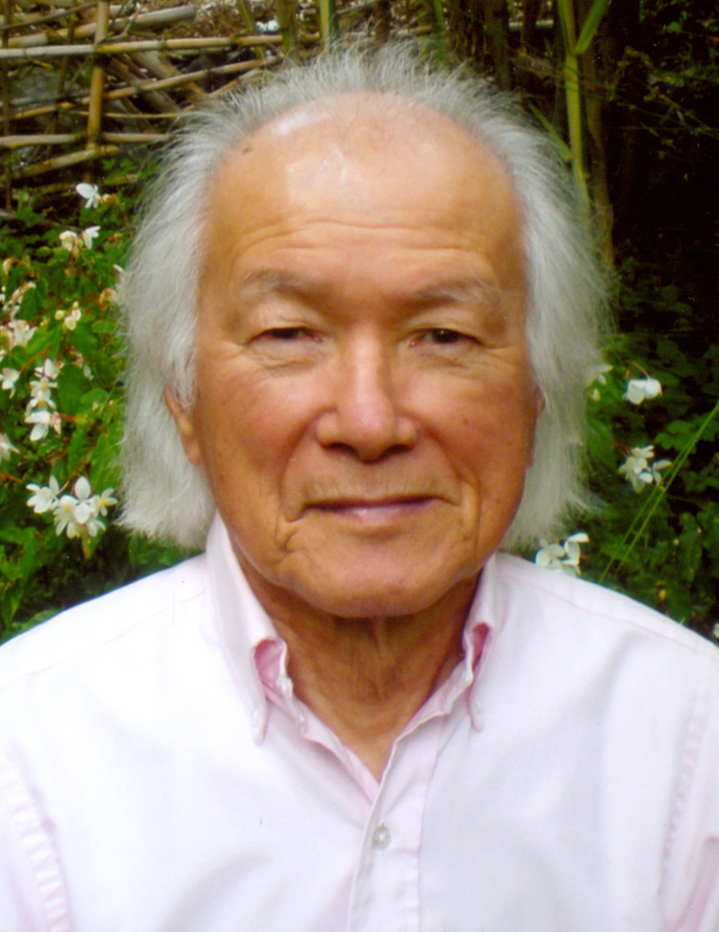
Originally this post was a way to mark this month’s Asian/Pacific American Heritage Month by sharing personal memories from an editorial perspective of a pioneering Asian American literary icon, Milton Murayama. It has grown to include other remembrances from a marketing perspective. We are all proud to be the publisher of his bestselling novels.
Masako Ikeda, Acquisitions:
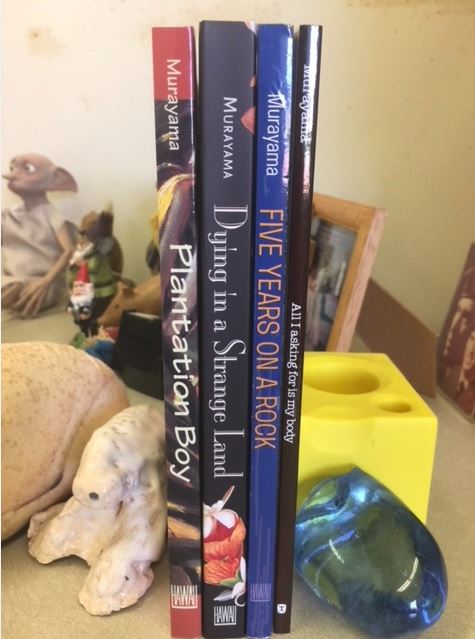
I only met Milton Murayama once, at the Asian American studies conference held in Honolulu in 1991. I tagged along with Sharon Yamamoto, who acquired his manuscripts for Five Years on a Rock and then Plantation Boy. Nothing at that meeting was particularly memorable as I sort of stood in the background, but I ended up enjoying serving as his managing editor for those two books. We wrote letters back and forth and continued to do so even as the century changed. Most of the time all he said in his letters was that he wanted to buy copies of his books or he was writing a new book, which wouldn’t be finished for a while.
After Five Years our production department held onto an old computer drive knowing that Milton had not updated his system and refused to do so. Our marketing staff coaxed him a number of times: “Milton, I’ll help you set it all up.” He kept sending me hard copy manuscripts with perforations on both ends along with five-inch floppy disks. The manuscript wasn’t complete so he wanted everything back, including the floppy disks, which he couldn’t find anymore. Right before he sent the very final manuscript, which eventually became Dying in a Strange Land, we had gotten rid of the drive, and there was no way to read his WordPerfect files. I ended up asking our Production staffer to keystroke everything, which she did in three days.
Communication with Milton was always interesting and often a little strange. He’d call to complain about the copy editor who didn’t understand that “Pidgin English doesn’t have ellipses points, or letter spaces in between.” He would also hesitate to say “Okay bye” and hang up the phone, so our conversation would go on for a long time with several seconds of dead silence breaking our talks in the most uncomfortable way.
Milton passed away in July 2016, and I didn’t know it until a month later when we saw the obituary in the Sunday paper. I felt guilty for not staying in touch. I do think of him quite often just as I think about Sharon, his true editor, whose passing was almost fourteen years earlier.
Steven Hirashima, Marketing:
My fondest memories of Milton would be visiting his fudge brown three-story home in the hillside area of Glen Park of San Francisco. Whenever I was in town I would always make a point to book a visit. The ritual was always the same. I would call to say I’m leaving the hotel and heading for the Union Square BART Station. Once at Glen Park, I would call to say I arrived and no more than five minutes later Milton would arrive in his old Toyota and we would head up the steep and winding road to his “retreat in the hills.”
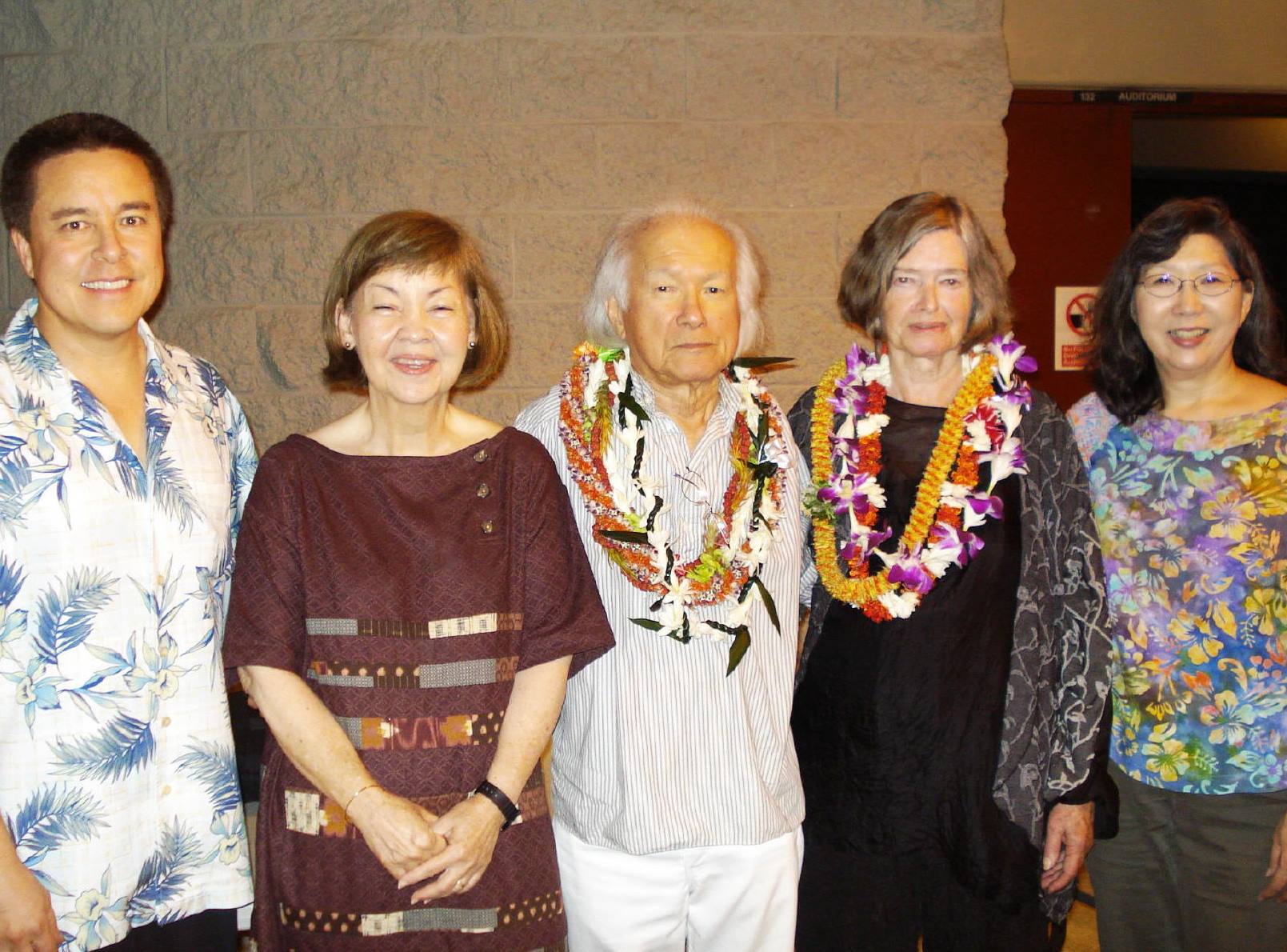
L to R: Steven Hirashima, Marie Hara, Milton Murayama, Dawn Murayama, Carol Abe after the “Revisiting Murayama” presentation, November 2008.
Overlooking the flatlands of the city with Candlestick Park and SFO to the west, I would always be given a tour as to what was updated or repurposed around the house since my last visit (the actor Lou Diamond Phillips’s childhood family had been a previous neighbor), from a newly reapportioned sunroom downstairs to a section outside with a bed of spring flowers to Milton’s designated writing room where tucked in a corner would be his antique word processor (a Commodore 64), which I almost convinced him to ditch in favor of a newfangled Mac but he never wavered and remained forever faithful to his trusty machine.
Any trip to the Murayamas would invariably end in the kitchen where Milton and Dawn were the most gracious of hosts. We would often gather around the large formal dinner table for spirited conversation from his next book project or his time in the 442nd, feasting on a bowl of delicious Alaskan King crab legs and steamed garlic brussels sprouts, masterfully prepared by Milton only minutes before. Looking back, they were wonderful and precious times. How I long for another afternoon with Milton. Until then, God Speed and Aloha.
Carol Abe, Marketing:
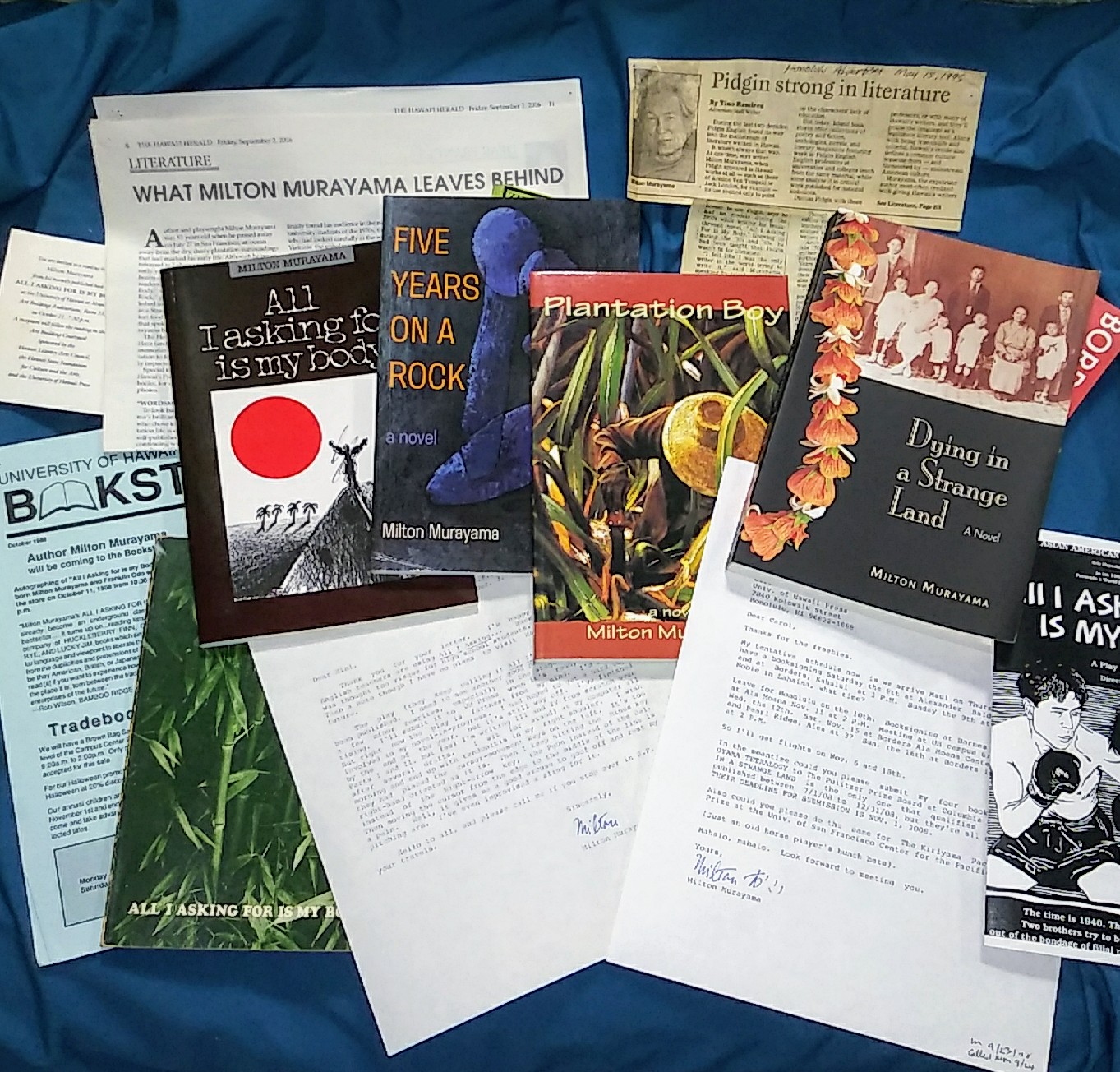
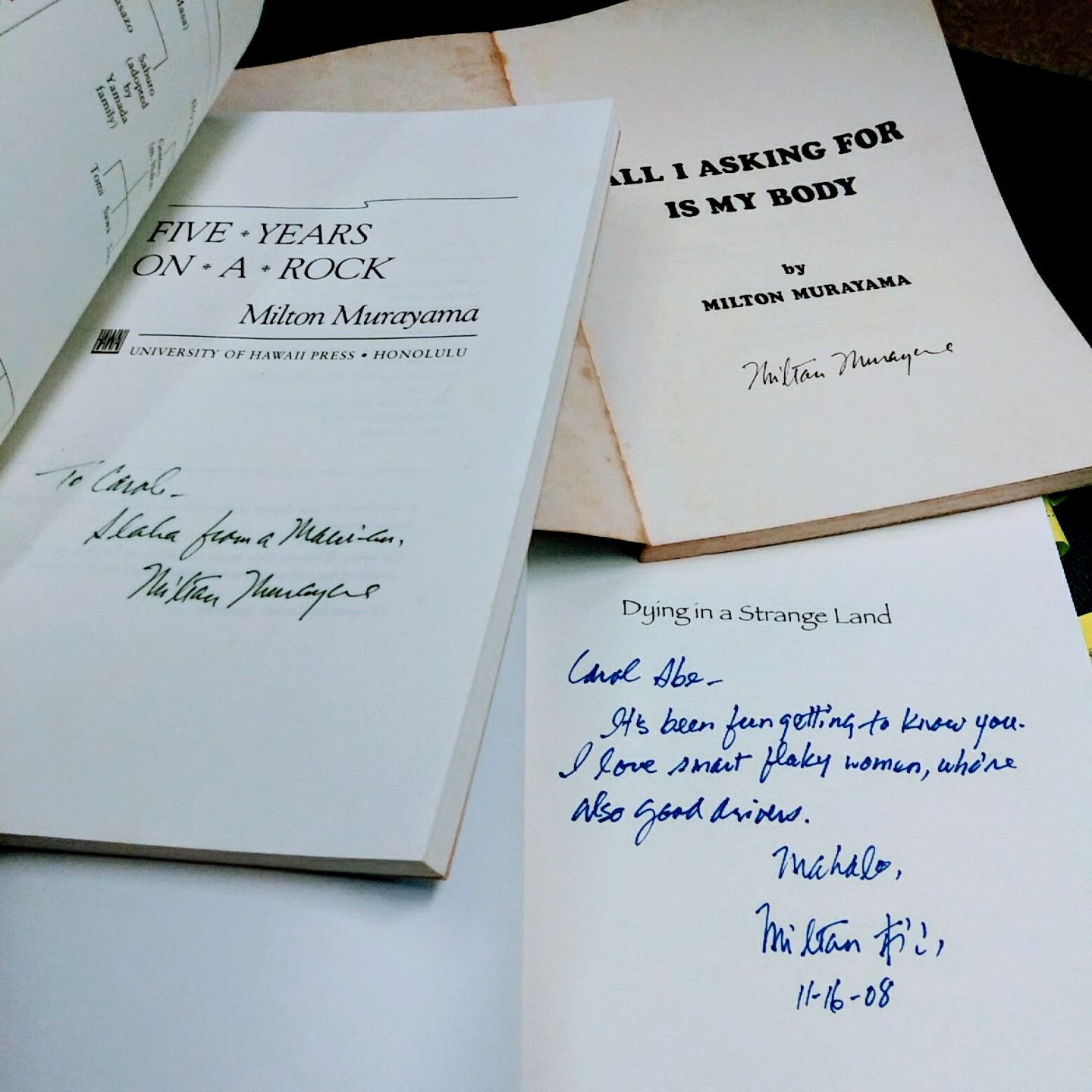
My very first encounter with Milton was in 1975, the year his original edition of All I Asking for Is My Body published, the green one with the bamboo forest on the cover and an overly large “$3” printed on the back cover. He and wife Dawn lined up signings at Honolulu Book Shops, at which I was a bookstore clerk (we weren’t called “booksellers” until twenty years later). Of course I bought a copy with my generous employee discount and had it signed, but didn’t otherwise have a personal connection to him. Jump to 2008: I’d been at UH Press for ten years and we released Milton’s fourth and final novel in his tetralogy about the Oyama family. Steve Hirashima had switched to managing our Asian studies list and I did the same for our Hawai‘i, Pacific, and Asian American titles.
Dying in a Strange Land had a pub date of June but Milton called and said he would wait to visit in the fall, when it’d be cooler, and he only wanted to do low-key promotion of a few bookstore signings. Then, as now, the Press had no travel funds to support a book tour anyway. He finally decided November would be a good time to come and would do Maui and O‘ahu signings, but no readings or talks. So I booked a combination of Barnes & Noble and Borders stores that followed his wishes and filled his itinerary. We corresponded by snail mail and exchanged letters. In one of these, Milton revealed some of the real-life equivalents to the characters in his books. He wrote, “There’s more fact than fiction in my stories.”
After a fan of his scolded me for not paying for his travel and doing him justice, a series of serendipitous things happened that culminated in an event more befitting of a literary icon, “Revisiting Murayama: From Plantation to Diaspora.” Gary Pak, as it happened, had videotaped an interview with Milton that he still needed to screen; the amazing Marie Hara agreed to be co-organizer and was a conduit to both UHM English department and Bamboo Ridge; Craig Howes put me in touch with Phyllis Look, who had directed a play of All I Asking. The program developed further by recruiting Arnold Hiura, Lee Cataluna, and one of our student employees, Tricia Tolentino, all tied together with Steve as emcee. (And, by rolling the dice, we obtained funding from SEED and Hawai‘i Council for the Humanities, including an honorarium for Milton.)
During their visit, I had chauffeured Milton and Dawn to four or five appearances, perhaps being a bit manic in my driving. At the end, I asked Milton to sign my copy of Dying in a Strange Land. We all laughed warmly as I read his inscription: “It’s been fun getting to know you. I love smart flaky women, who’re also good drivers.” It was my honor and pleasure to have been a tiny part of his life.
+++
Each of Milton’s novels can be read separately and not in sequence. Dying in a Strange Land is on sale now, at a very special price—click here to order.
May is Asian Pacific American Heritage Month celebrating the achievements and contributions of Asian Americans and Pacific Islanders in the United States.
We are continuing our sale by offering a new selection of titles focused on Hawai’i and the Pacific!