Join the University of Hawai‘i Press at the American Academy of Religion annual meeting in San Antonio, Texas, from Nov. 18-21. The press will be showcasing its religion book and journal titles at Booth 823.
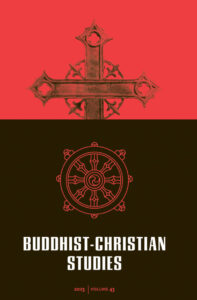
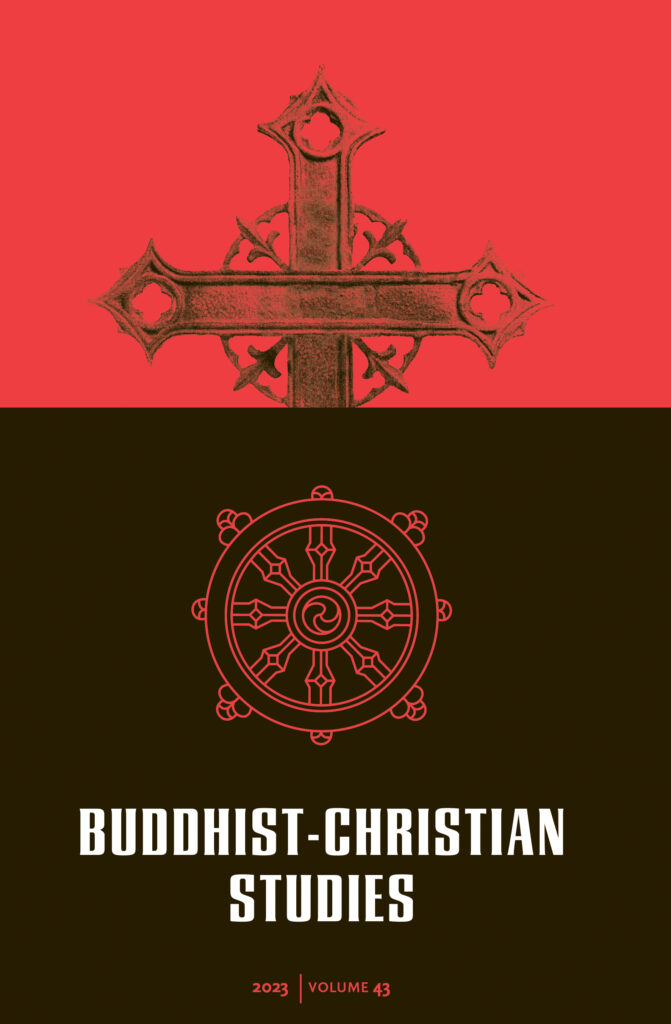
Call for Papers: Buddhist-Christian Studies
The Society of Buddhist-Christian Studies hosts it annual meeting concurrent to the American Academy of Religion. The society’s official journal, Buddhist-Christian Studies, invites submissions for the 2024 issue.
Buddhist-Christian Studies publishes scholarly articles that invite dialogue between concepts, doctrines, beliefs and practices in Buddhism and Christianity. Possible topics include aspects of anthropology, ethics, ritual practices and worship, historical Buddhist/Christian encounters, key figures in Buddhist Christian dialogue, and comparative textual analysis. For more information, and to submit an article for peer review, please contact the co-editors: Thomas Cattoi, [email protected]; and Kristin Johnston Largen, [email protected].
Typical length of an article is between 5,000-7,000 words, and the due date for submission is March 1.
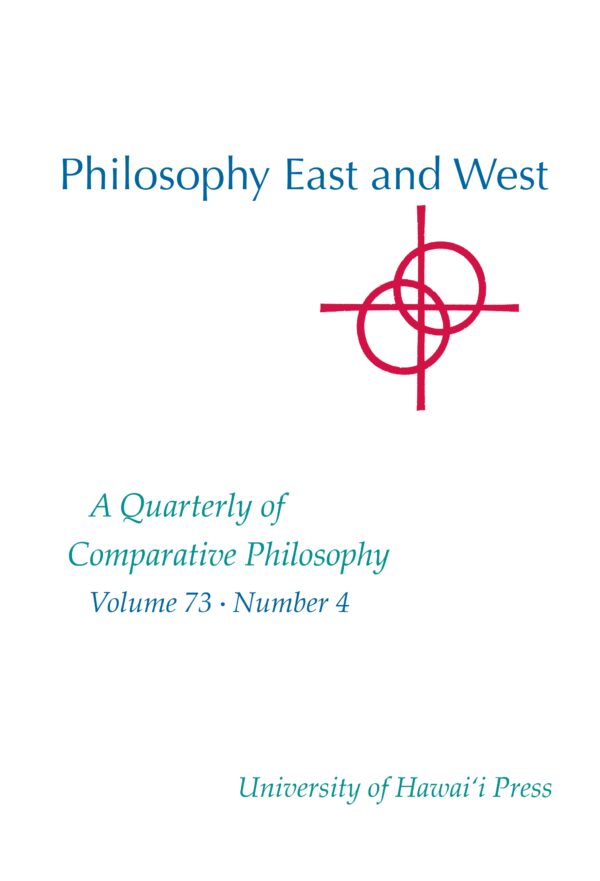
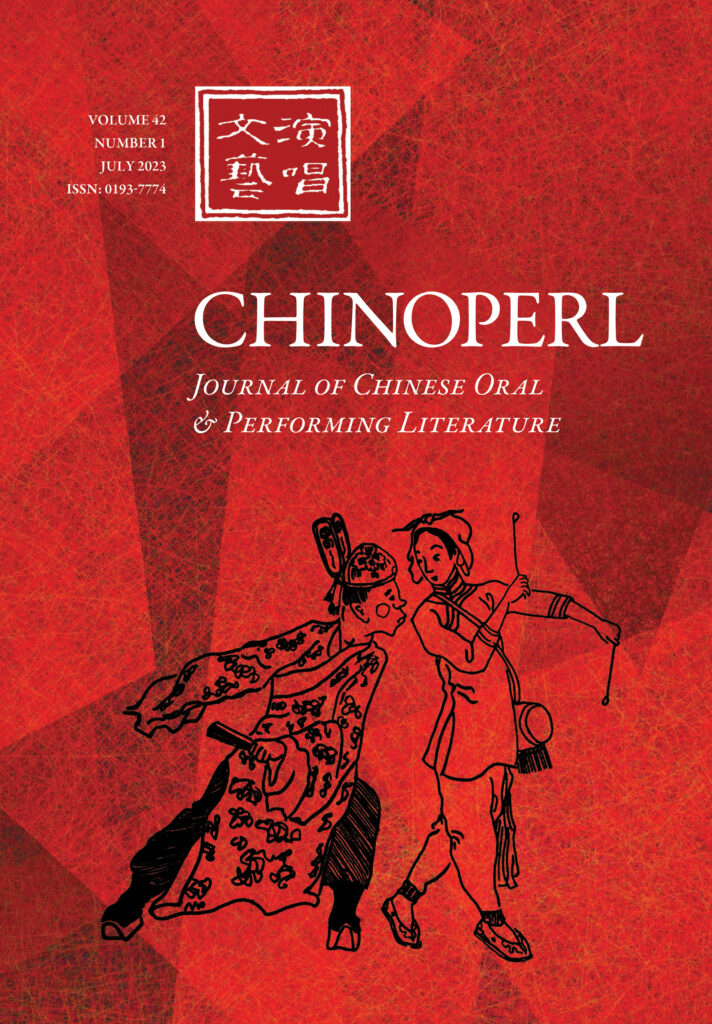
In addition to Buddhist-Christian Studies, the press publishes and distributed three notable journals in the field. Find author guidelines for related journals at UH Press’s website:
This year’s Hawai‘i Book & Music Festival will be held on Friday, Oct. 20 to Sunday, Oct. 22 at the UH Mānoa William S. Richardson School of Law. In celebration of this year’s festival, we feature the following University of Hawai‘i Press journal reviews and articles written by several of this year’s showcased authors:
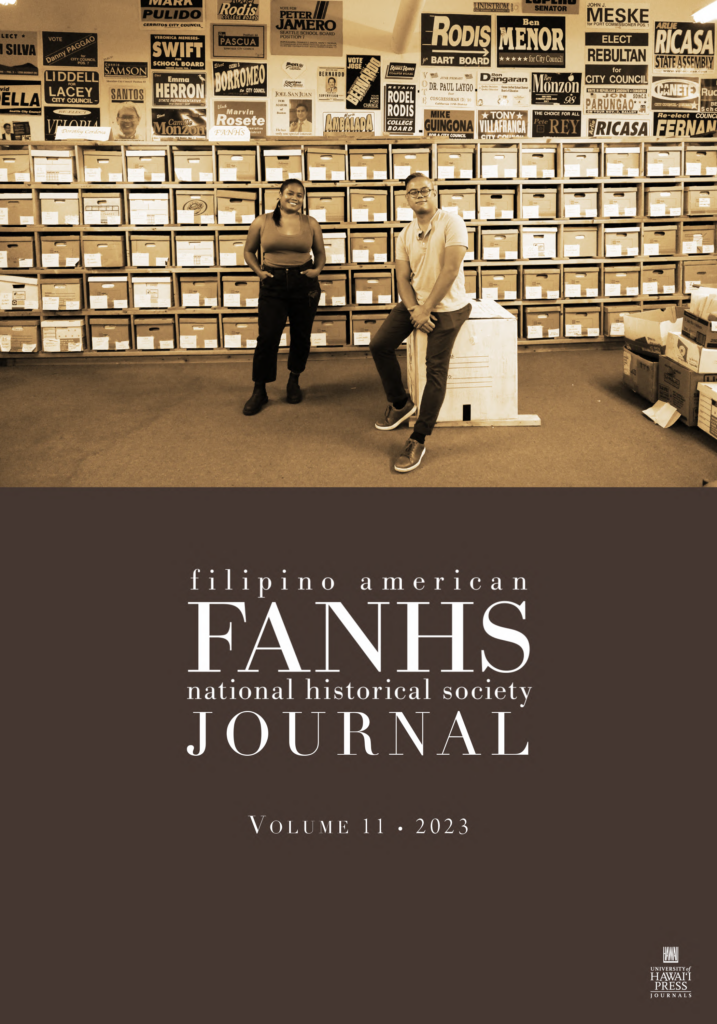
The Filipino American National Historical Society Journal is the only journal devoted exclusively to the identification, gathering, preservation, and dissemination of Filipino American history and culture in the US. The society was founded in Seattle, Washington, in 1982 by Dorothy Laigo Cordova and Fred Cordova, and now hosts 43 regional chapters nationwide.
The society and journal have long served as a primary informational resource for community organizations and educational institutions on Filipino American history, and hosted the first official Filipino American History Month in October 1992, long before the US Congress recognized the commemorative month in 2009.
Redesigned and under new leadership, the journal will publish Volume 11 in November 2023, alongside the journal’s 10-volume archive widely available for the first time via Project MUSE. As an interdisciplinary, peer-reviewed journal, each issue includes research by community-based and academic historians as well as personal histories. A new section, “Collaborating with Our Ancestors,” features tribute pieces and intergenerational conversations between past and present Filipino American academic and activist leaders.
The journal is led by Drs. Patricia Espiritu Halagao (College of Education, University of Hawai‘i—Mānoa) and Terese Guinsatao Monberg (Residential College in the Arts and Humanities, Michigan State University). Dr. Lily Ann B. Villaraza (Philippine Studies, City College of San Francisco), a national FANHS scholar, guest edits the forthcoming issue.
“We are so excited to publish the FANHS Journal with the University of Hawai’i Press. Working together, we can ensure that Filipino American history can be better documented and made more accessible to the masses,” said Dr. Kevin Nadal, president of the national society. “And because there are so many Filipino American historical narratives waiting to be told, we are looking forward to a long lasting partnership with such a prestigious publishing company to help us tell these stories.”
FANHS founder Dorothy Laigo Cordova adds, “I am excited to see the evolution of the FANHS Journal under its new editorial leadership and support the journal’s important role in promoting scholarship of Filipino American history.”
Remembering the Past, Living the Present, Planning for the Future By Dorothy Laigo Cordova
Dr. Dawn Bohulano Mabalon Adobo Cook Off By Kay Dumlao Doherty
Mare Dawn is a Dr. Diva, Di Ba? (Poem) By Emily Lawsin
Our Story Includes Indipinos By Holly Calica and Richard Vendiola
From Hollywood to the Battlefield: Stories of a Filipino American Houseboy Becoming a Soldier By Mark Cazem
Producing a Filipino American Identity in the Sunbelt South By Audrey Idaikkadar
Queering Filipino American History: Exploring LGBTQ Filipina/x/o American THEIR/OURstories By Kevin Leo Yabut Nadal
The Manang Generation and the Radical Origins of the Pinay Identity By Stacey Anne Baterina Salinas
Naimas!: The Rise of Filipino Foodways in Hawai‘i By Shannon Cristobal
Building a Community Archive: Preserving and Uplifting Stories of Filipino Labor and Migration By Christina Ayson Plank, Meleia Simon-Reynolds, Kathleen Cruz Gutierrez, Steve McKay, and Oliva Sawi
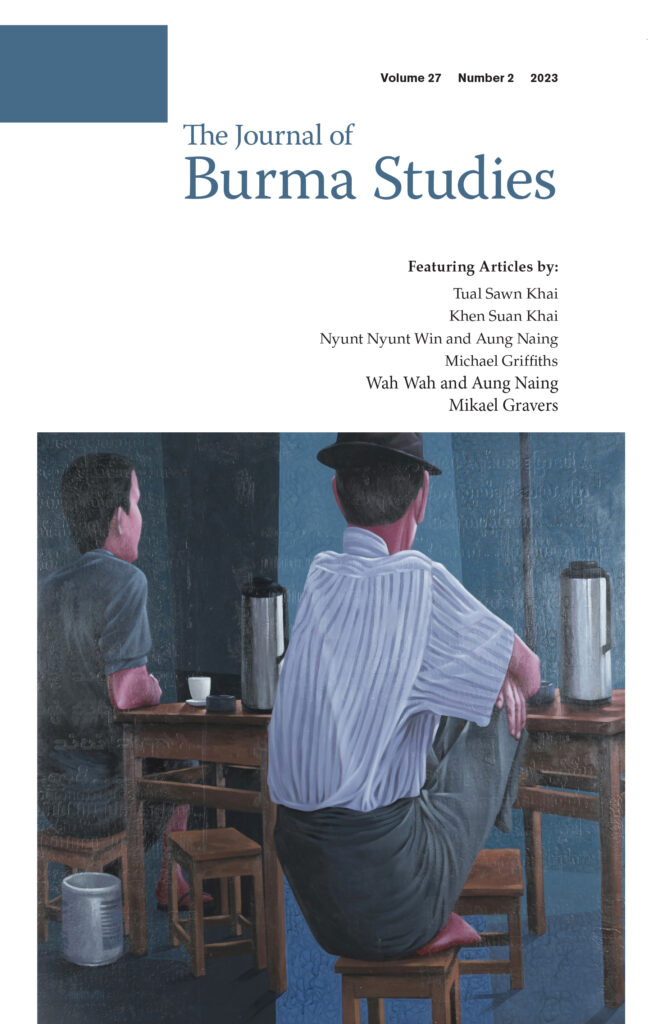
The new issue focuses on military dictatorship and migrationin 2021 in Myanmar. In this introduction Editor Jane S. Ferguson explains:
This issue offers a blend of research articles which are based on nuanced research and social analysis of everyday survival, law and development, and politics in the years leading up to the 2021 coup d’etat. These include issues of migration, whether to overseas work destinations or within Myanmar, the situation for education and its relationship with international donor organizations, the creation of work conditions within Myanmar’s Special Economic Zones, the organization of intensive banana agriculture for export in geographically contested areas, and finally an analysis of the political lead-up to the military coup.
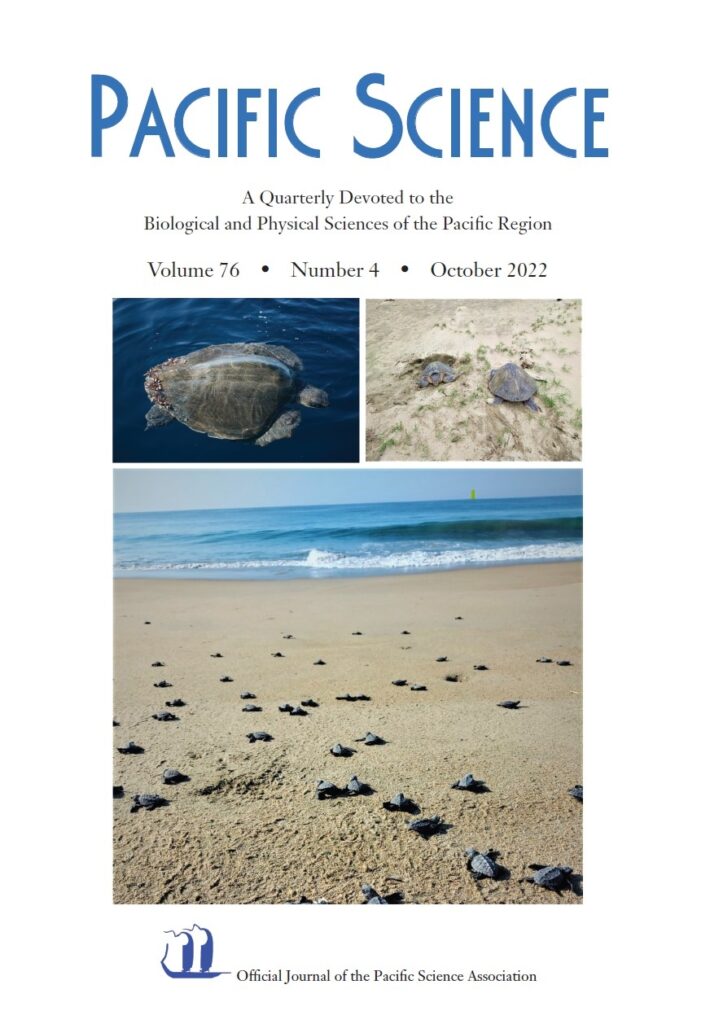
A Survey of Terrestrial Vertebrates of Tetepare Island, Solomon Islands, Including Six New Island Records Jenna M. McCullough, Lucas H. DeCicco, Mark W. Herr, Piokera Holland, Douglas Pikacha, Tyrone H. Lavery, Karen V. Olson, Devon A. DeRaad, Ikuo G. Tigulu, Xena M. Mapel, Lukas B. Klicka, Roy Famoo, Jonathan Hobete, Lazarus Runi, Gloria Rusa, Alan Tippet, David Boseto, Rafe M. Brown, Robert G. Moyle, and Michael J. Andersen
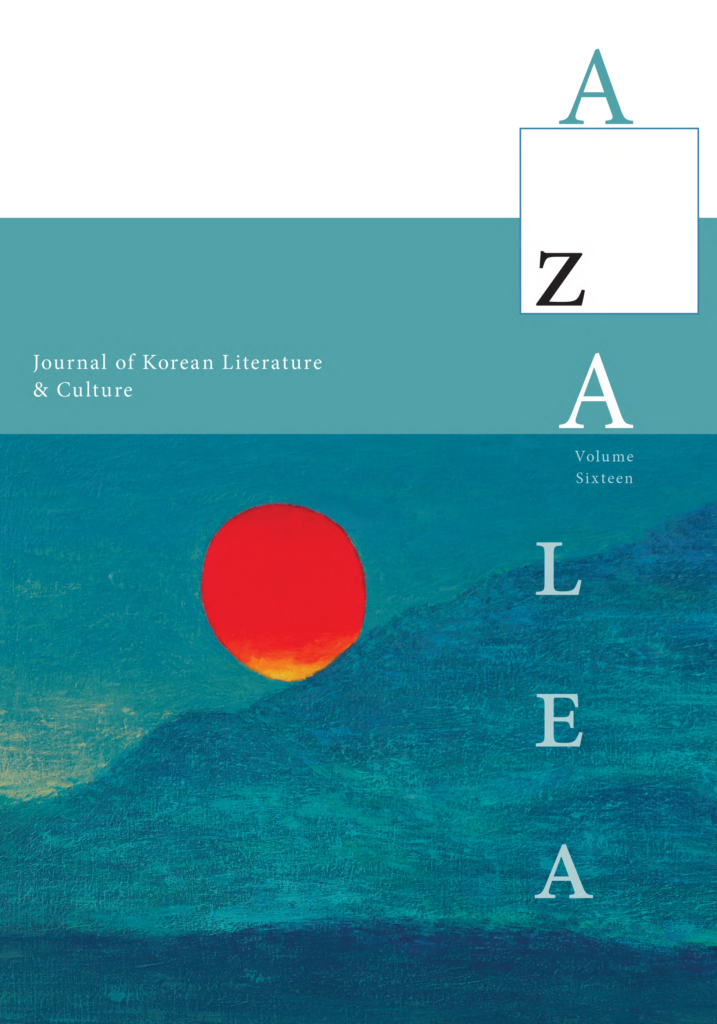
Special Features: The Long Korean War in Recent Korean Literature, Ch’oe Inhun, and Sejong Writing Competition
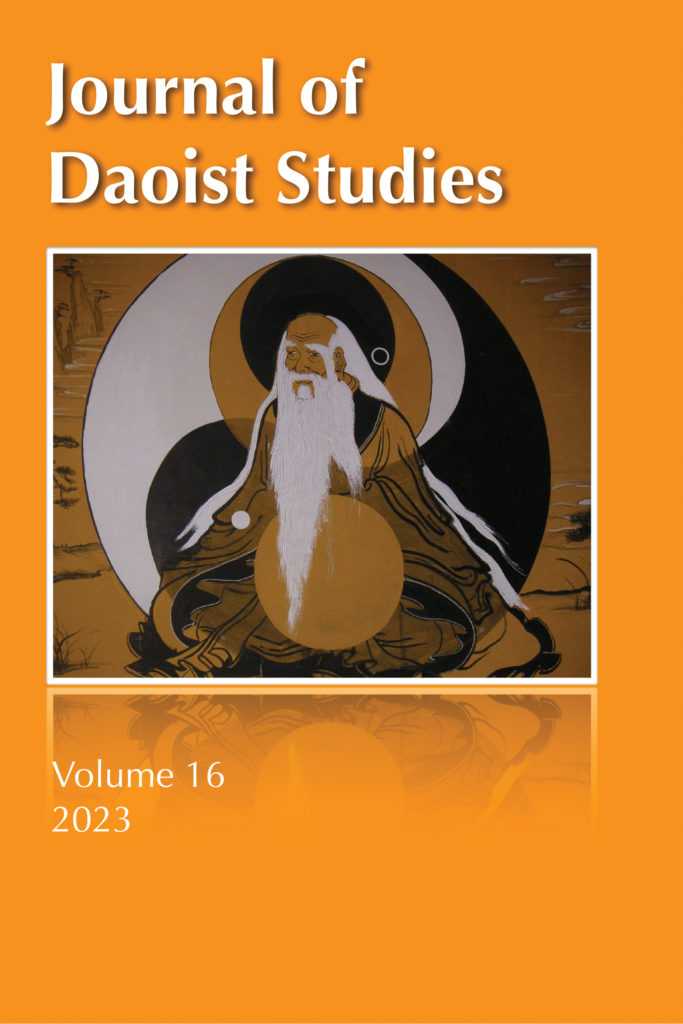
Volume 16 (2023)
In this new issue Editor Young-Jun Lee introduces the opening special feature, “The Long Korean War in Recent Korean Literature”:
While the Korean War may appear as a distant historical event to younger generations, seventy years after the armistice, its impact persists in the lives of South Koreans in ever-changing and menacing forms. The legacy of the war lies at the root of enduring ideological confrontations, provides the rationale for past dictatorships, and fuels present-day social tensions. Korean literature serves as a potent platform for preserving the memory of these historical legacies that continue to reverberate in the present. We extend our gratitude to Professor Seung Hee Jeon for guest-editing this special issue.
Find more poetry, fiction, images, the Sejong Writing Competition, and more at Project MUSE.
Our Hawai‘i and Pennsylvania warehouses will be closed for annual inventory, June 15–30. During that time, continue to browse our website and save your wishlists. Orders, however, cannot be placed until July 1, 2023. Mahalo for your patience!
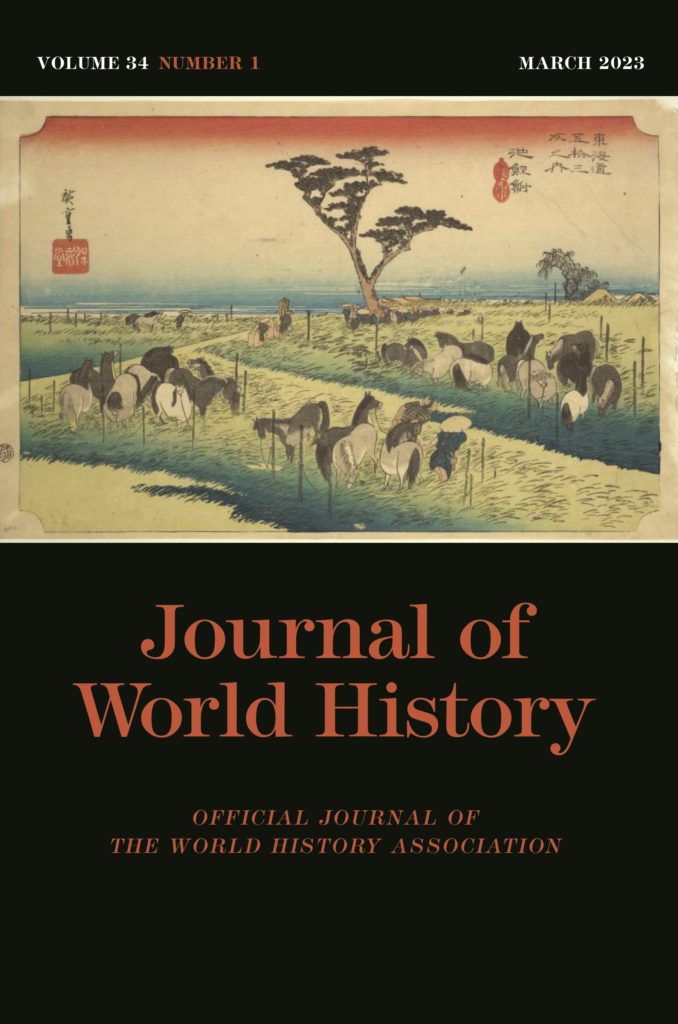
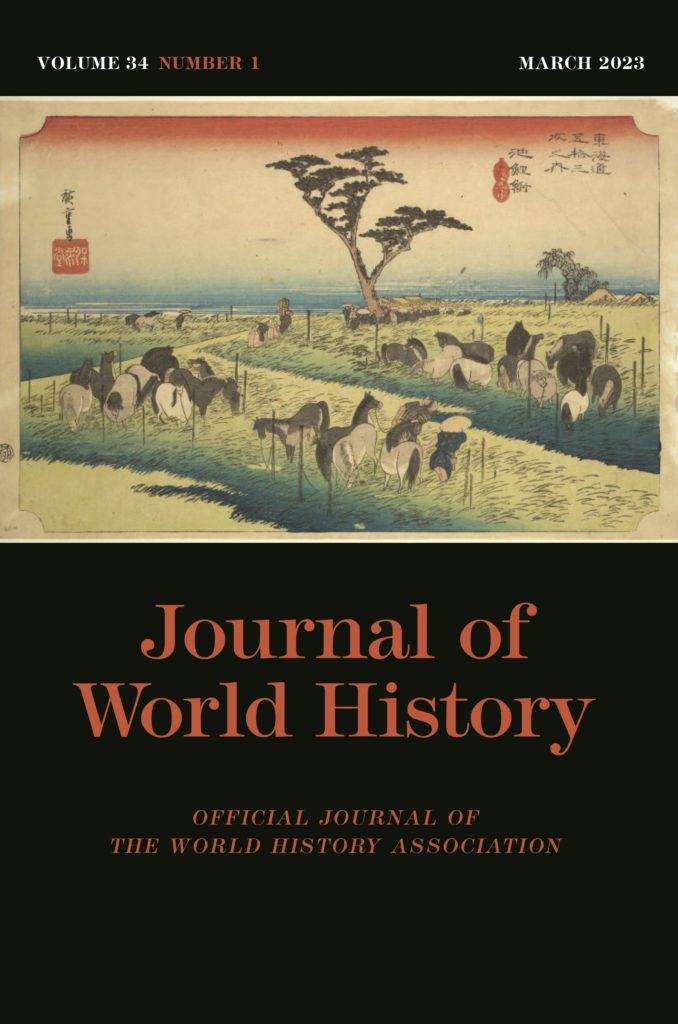
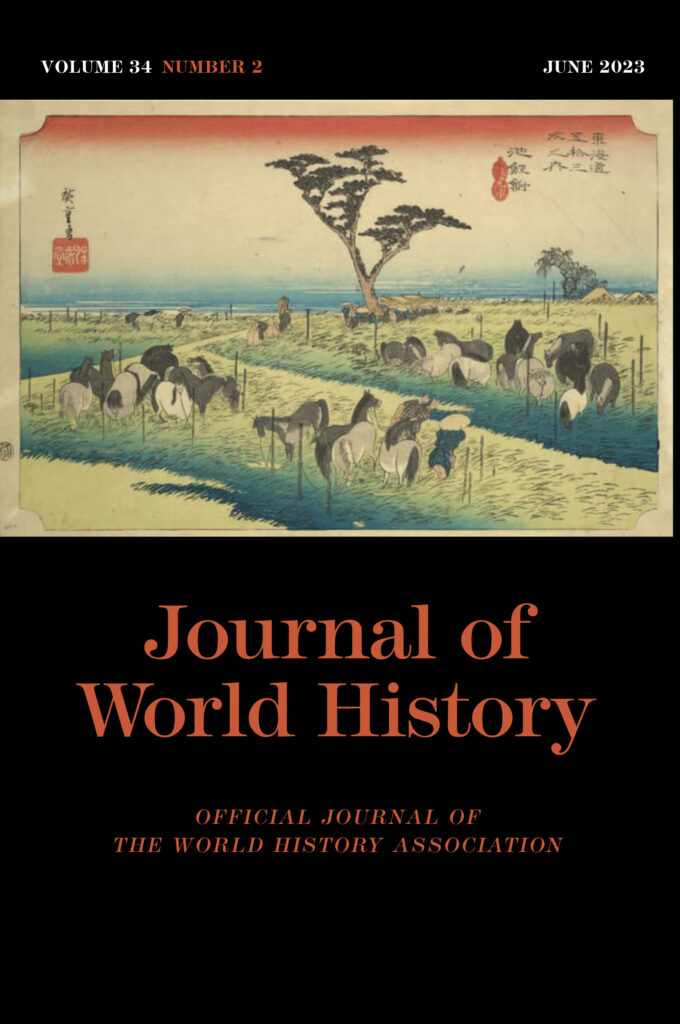
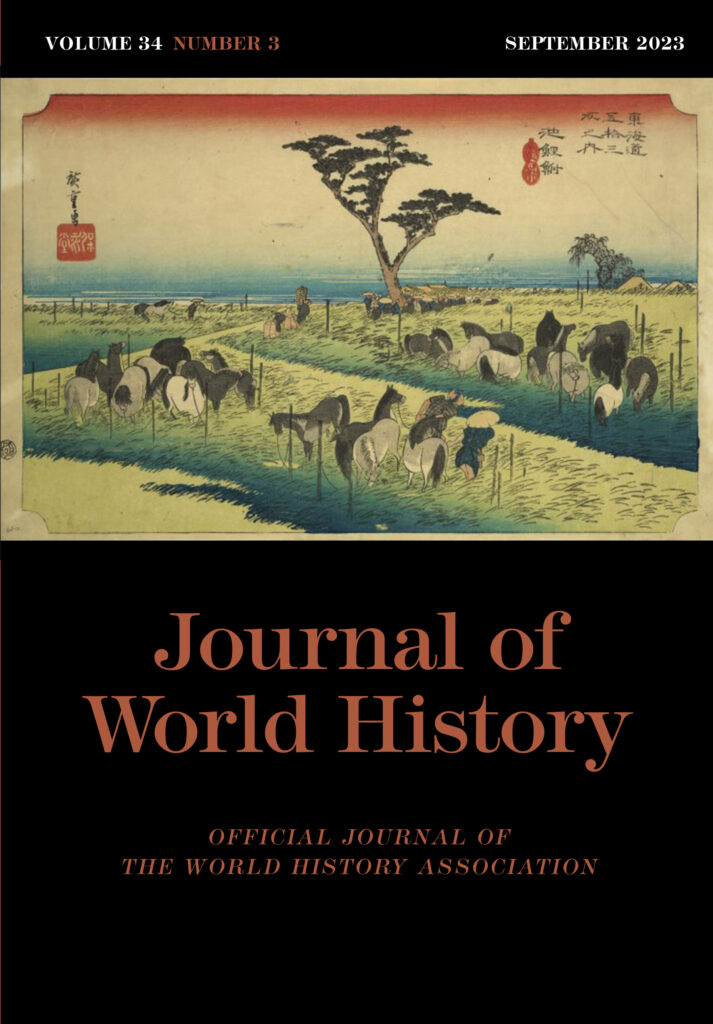
The Journal of World History, the official journal of the World History Association, published by the University of Hawai‘i Press and sponsored by the University of Hawai‘i History Department, is seeking an editor or a team of co-editors. The position will begin in January 2025, allowing a several month period of transition before the current editor, Matthew P. Romaniello, steps down from the position at the end of 2024. It will have an initial term of five years, renewable for three more.
Founded by Jerry Bentley and now in its 34th year, the Journal of World History publishes research into historical questions across any time period requiring the investigation of evidence on a global, comparative, cross-cultural, or transnational scale. It is devoted to the study of phenomena that transcend the boundaries of single states, regions, or cultures, such as large-scale population movements, long-distance trade, cross-cultural technology transfers, and the global spread of ideas. It is guided by an Editorial Board and an Advisory Board of scholars from around the world.
The responsibilities of the editor or co-editors will be:
Defining editorial policy
Overseeing and managing a rigorous review process
Making final decisions on the acceptance and rejection of articles
Editing articles accepted for publication
Shaping the direction of the Journal
Choosing and working with the Editorial Board
Working with the University of Hawai‘i Press journal production staff
Working with the journals’ two sponsors, the World History Association and the University of Hawai‘i History Department
Attending the World History Association annual meeting
To apply, please send a cv and a letter of application to Aaron Peterka, Interim Director of the World History Association: [email protected]. The deadline for applications is August 1.
In your letter, please address the following:
Your experience publishing, researching, and teaching in world history, and the way you see these as related
Your previous editorial and administrative experience
Your understanding of “world history” and the types of articles that belong in a journal dedicated to it.
Your vision for the Journal over the next five years
Your strategy for attracting high quality submissions, reviews of submissions, and book reviews from scholars diverse in terms of methodology, area of research, and institutional and geographic location
Your plan for engaging with developments in scholarly communication and research practice
A small amount of funding for travel related to the Journal will be provided, but if you may be able to obtain institutional backing for the position, including course release, please indicate this in your letter as well.
The World History Association will be hosting its annual meeting at the University of Pittsburgh’s World History Center from June 22 to 24, on the theme “ENERGIES.” The Journal of World History offers this accompanying special collection, “Transnational Approaches to the History of Race of Racism,” free on the Project MUSE platform through September 30. Select World History titles will also be 30% off from July 1 through Sept 30, 2023.
The special issue “Transnational Approaches to the History of Race and Racism” draws together some of the journal’s most frequently cited and downloaded material alongside some less well-known contributions. Together, these articles compare historic roles, debates, and struggles in relation to today’s trials and tribulations with race consciousness.
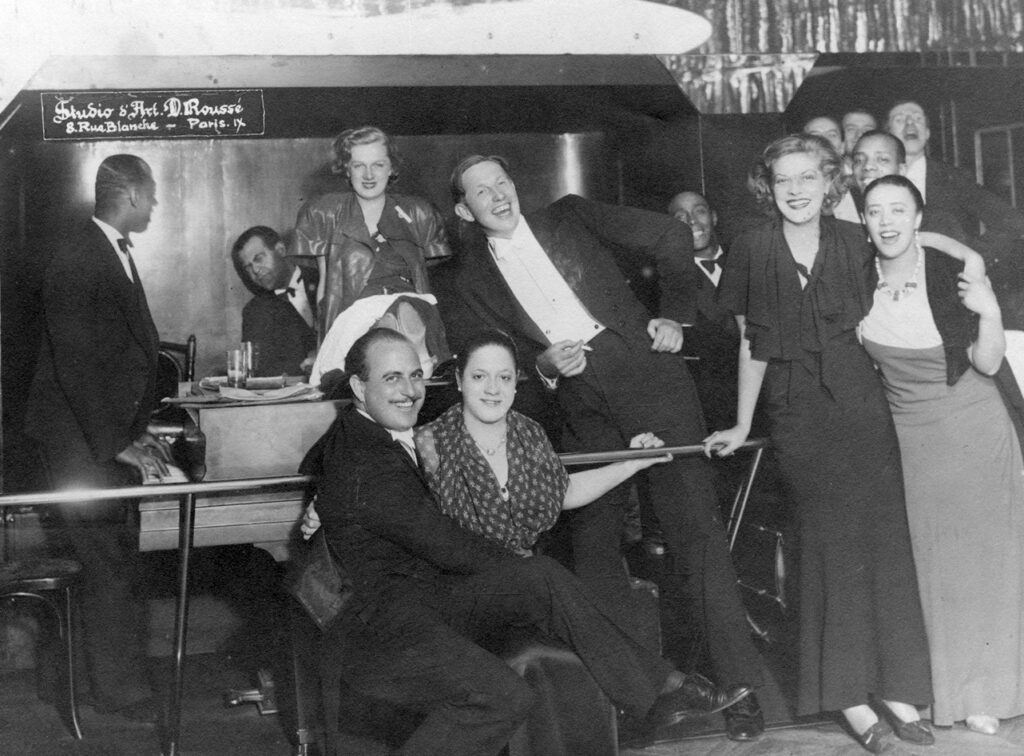
Bricktop with patrons and fellow singer Mabel Mercer in Bricktop’s club, featured in “Jazz and the Evolution of Black American Cosmopolitanism in Interwar Paris” by Rachel Gillett in this special collection.
Editor Matthew P. Romaniello talks about this Special Issue in excerpts of his introduction, “Race and Racism beyond National Borders”:
Assembling a special collection of previously published articles has created an opportunity to engage with the legacy of Journal of World History. As with the first of these issues four years ago, I took the opportunity to review our “most downloaded” articles list from Project Muse. It has changed more than I expected – not only from the arrival of newly-published articles but also from articles published decades ago that have gained new prominence. One of those served as the launching point for this collection, Matthew Pratt Guterl’s “The New Race Consciousness: Race, Nation, and Empire in American Culture, 1910-1925,” a “top 10” article for 2022, though it was first published in 1999.
The renewed interest in race and racism is hardly unique to Journal of World History, much less global audiences in this particular historical moment. However, looking to JWH for an article on racism in America may not be the first stop on anyone’s pursuit of more information on the topic. For much of its history, JWH only published a few articles with American content.
Research on race and racism, settler colonialism and anticolonial rhetoric, cosmopolitanism and “Orientalism,” involving global empires and modern nations, has regularly appeared throughout the journal’s history. The benefits of pursuing these topics through a transnational lens broadens our discussions and hopefully encourages more thoughtful engagement with their presence in our daily lives. The articles included in this collection highlight these themes in a variety of regions, offering original perspectives on the entangled debates of race and racism globally.
It should not come as any surprise to a reader of Journal of World History that the history of colonialism is fully entangled with racial hierarchies, much less that colonial and neocolonial policies imposed racialized systems, whether it imposed segregation or achieved assimilation. Neither supported equality. Nor did cosmopolitan lives, those people who crossed borders and interacted with foreign cultures, necessarily demonstrate greater understanding or compassion for diversity. This special collection does highlight that these challenges are not unique or specific to the United States, and, perhaps, we might inform our ongoing discussions of diversity, equality, and inclusion by considering other viewpoints and histories beyond our own borders.
Transnational Approaches to the History of Race of Racism
This new issue commemorates key individuals in Asian theatre. Editor Siyuan Liu explains:
This issue starts with two long-planned articles in ATJ’s ‘founders of the field’ series that started with two clusters of articles in 2011 (28.2) and 2013 (30.2), followed by a number of ‘founding mothers’ articles between 2014 and 2017 (31.1, 32.2, 33.2, 34.1), continuing in this issue with Carol Fisher Sorgenfrei’s profile of Betty Bernhard and Julie Iezzi’s article on Jonah Salz. Sorgenfrei focuses on Bernard’s extraordinary capacity in discovering and promoting aspects of Indian performance to the world through fundraising and sponsoring international engagements by India artists, students training and productions of India plays with Indian artists at Pomona College, as well as several research based films and videos, all of which made Bernard, as Sorgenfrei puts it, ‘an important influencer well before that concept became a social media meme.’
The second ‘founder’ article, written by Julie Iezzi, focuses on Jonah Salz, who stands out, in comparison to other founders profiled in this series, as a Western theatre director, producer, teacher, scholar, and translator primarily based in an Asian country, in his case Kyoto, Japan. Among Salz’s wide-ranging accomplishments, Iezzi focuses on his co-founded Noho Theatre Group that has produced hundreds of shows and toured internationally over forty years; his co-established Traditional Theatre Training (TTT) program that since 1984 has trained hundreds of artists in noh, kyōgen, and nihon buyō; and his research and publications, most notably as editor-in-chief of A History of Japanese Theatre, a monumental achievement via international collaboration.
Special Issue: Global Travel, Exploration, and Comparative Study of Empire
Volume 34, Number 1 (2023)
In this new special issue Guest Editor Scott C. M. Bailey discusses the fascinating study of long-distance travelers during the late nineteenth century in this introduction:
This special issue addresses what can be gained from a comparative examination of long-distance travelers during the age of empire. Questions to address include: to what extent did the individual identities, personalities, and backgrounds of elite travelers relate to their opinions on the state of colonial or imperial affairs which they observed in their travels? Were imperial travelers’ observations representative of the imperial core’s opinions and assumptions about imperial spaces, including peripheral ones? To what degree did individual travelers who were traveling to destinations which were under the control of a rival imperial power provide descriptions or impressions which confirmed or rejected assumptions about the colonial or imperial relationship? Can travelers’ descriptions (those travelers from outside or competing empires) be used to provide an objective view of the nature of competing empires? How did factors like the occupations, educational backgrounds, class identifications, gender, life experiences, race, identity, or cultural backgrounds of individual travelers define or shape their descriptions? How did the purposes of these travels relate to the kinds of observations which were made? The articles in this special edition address these important questions, while also highlighting reasons why this era saw an increase in the volume and frequency of international long-distance travel.
Find more articles, review articles, and book reviews at Project MUSE.






 Our Hawai‘i and Pennsylvania warehouses will be closed for annual inventory, June 15–30. During that time, continue to browse our website and save your wishlists. Orders, however, cannot be placed until July 1, 2023. Mahalo for your patience!