



Asian Theatre Journal
Volume 43, Number 1 (2026)
Editor Siyuan Liu signs off as we introduce a new editor Man He in From the Editor stating:
After eight years as ATJ editor, I am stepping down after this issue. Man He will take over as the new editor. It has been a tremendous learning experience. I am grateful to everyone who helped make the task possible, from the authors, editors, reviewers, editorial assistants, and the editors and production teams at the UH Press to our readers.
With the exception of Emerging Scholar Essays, which always appear in the fall issue, this issue is complete with every regular format in ATJ: translation, article, report, performance review, and book review.
Find this From the Editor, translations, review essays, articles and more at Project MUSE.

Biography
Volume 47, Number 3 (2024)
Craig Howes discusses the new issue in the Editor’s Note stating:
When George Simson decided in 1978 to call Biography an Interdisciplinary Quarterly, he was optimistic, but determined. Although the vast majority of the journal’s contributors were housed in literature and history departments, with a decided bent toward textual studies, the masthead listed an ambitious range of recruited editors, ready to evaluate essays emerging from many academic disciplines. As we approach our fiftieth anniversary, this issue of Biography suggests that George’s hopes for the journal have come closer to being realized.
The editors, reviewers, and essayists represented include archaeologists, psychiatrists, theatre and performance scholars, and specialists in American, Russian, Carribean, Jewish, and Arab American Studies. Black Studies, Feminist, Gender and Sexuality and LGBTQ+ Studies, and Disability Studies are also represented. And even while still situated in literature and language departments, as the contributor biographies bear out, many are interdisciplinary scholars.
This state of affairs points to the nature of lifewriting as a field with permeable boundaries. Whenever the course of human events figures into research, policy, ethics, or instruction, lifewriting or life narrative in the broadest sense is a factor to be considered. Biography has published such considerations, regardless of field, and will continue to do so.
Find this Editor’s Note, forum articles, reviews, and more at Project MUSE.
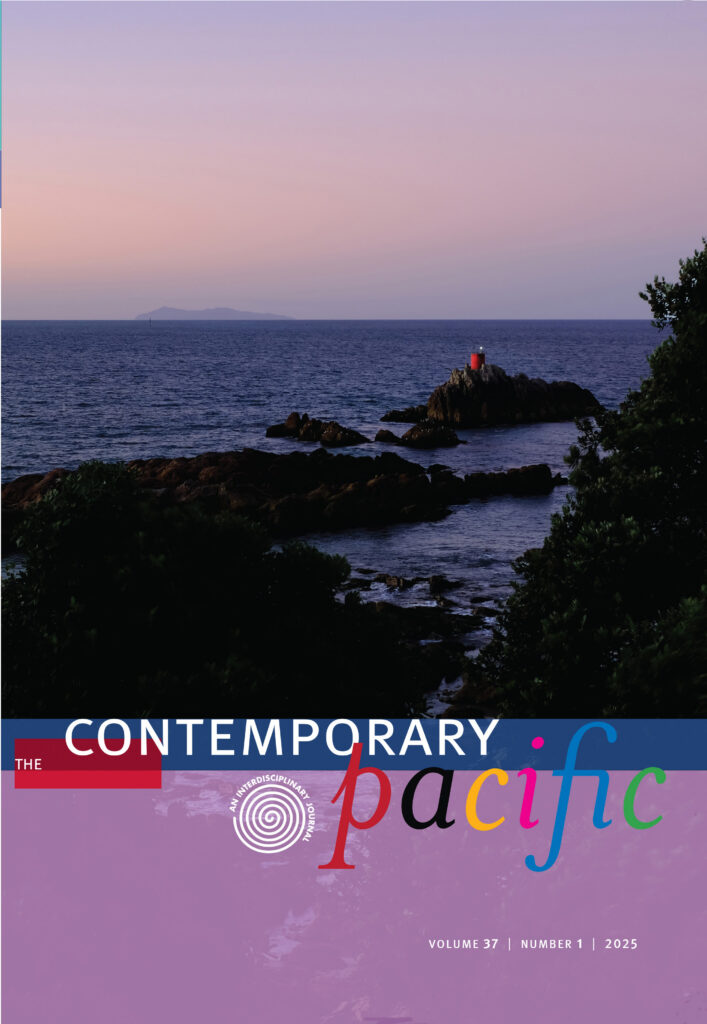
The Contemporary Pacific
Volume 37, Number 1 (2025)
Seeking Peace in Religious Teachings: Women’s Responses to Domestic Violence in Rural Vanuatu
Donna Jella Tagaro and Naohiro Nakamura
Pacific Studies: Engaging Law, Anthropology, Archives, and the Arts
Katerina Teaiwa, Terence Wesley-Smith, and Talei Luscia Mangioni
Pacific Studies and Anthropology: Articulations and Disarticulations
April K Henderson
Unsettling Legal Imperialism and Cultivating Homegrown Law: Why Law Schools Need Pacific Studies
Rebecca Monson, Dylan Asafo, Joseph D Foukona, and Bridget Fa‘amatuainu
Citing Ourselves
Talei Luscia Mangioni and Lisa Hilli
Find About the Artist, articles, reviews, and more at Project MUSE.

Journal of World History
Volume 37, Number 2 (2026)
Kita Ikki and Zeng Qi: National Socialism in East Asia, Late 1910s–Early 1930s
Nagatomi Hirayama
The Spanish Naval Station in the Pacific: A Frustrated Project of Global Regeneration (1833–1866)
Rodrigo Escribano Roca and Mikel Gómez Gastiasoro
Koreans Skilled Workers in Japan after the East Asian War of 1592–1598: Pak Hoin and Tofu in Early Modern Tosa Domain
Floris van Swet
Industrial Lessons Abroad: Chinese Engineers in Britain, 1933–1948
Qing Chen
Find these articles, reviews, and more at Project MUSE.
Mānoa
Volume Volume 37, Number 2 (2026)
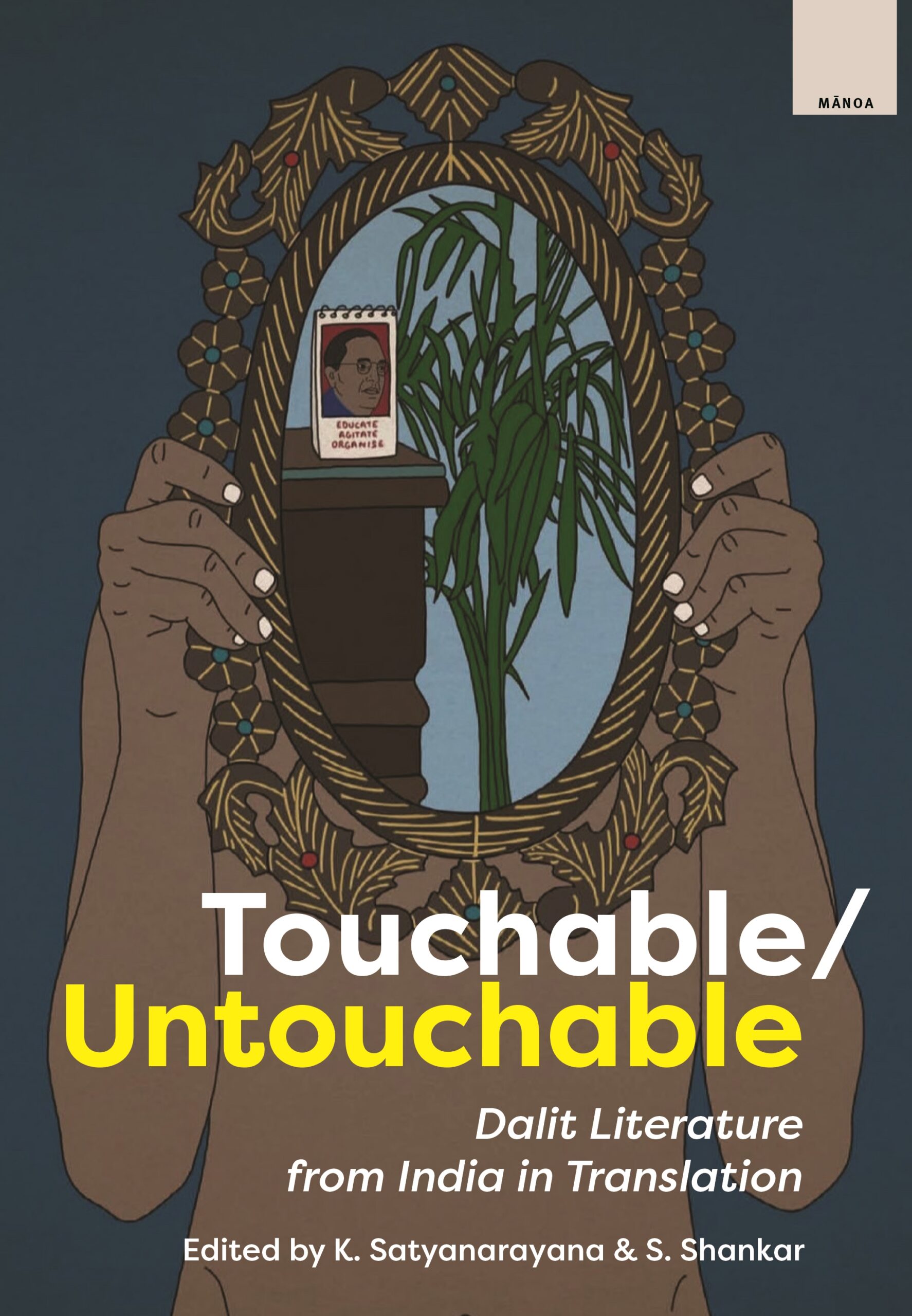
Touchable/Untouchable Dalit Literature from India in Translation
Guest Editors K. Satyanarayana and S. Shankar discuss their inspiration for these translations stating:
This issue of Mānoa presents Dalit literature from India in translation to a global audience of readers in English.
Why should readers outside India care about Dalit literature? For one thing, contemporary Dalit literature is among the most interesting and vibrant of literary enterprises currently underway in India. Contemporary Dalit literature has at one and the same time borne gripping witness to the centuries-old atrocious institution of exclusion and oppression known as caste, at the bottom of which Dalits are located as the most excluded and the most oppressed, and broken invigorating new literary ground. For these reasons alone, the value of reading Dalit literature should be evident. Dalit literature deserves a global audience, which it has begun to receive in recent years. This issue adds to Dalit literature’s global reach in significant ways.
Find these editors’ notes, art, poetry, fiction, essays, memoirs, and more at Project MUSE.

Oceanic Linguistics
Volume 65, Number 1 (2026)
Suprasegmental Adaptation of Japanese Loanwords in Isbukun Bunun
Hui-shan Lin
Observations on Malagasy Presentatives
Ileana Paul, Vanilla Diane Dimisy, Baholisoa Simone Ralalaoherivony, Jeannot Fils Ranaivoson, Lisa Travis
Contact or Inheritance? New Evidence on the Proto-Philippines Hypothesis
Victoria Chen, Maria Kristina Gallego, Jonathan Kuo, Isaac Stead, and Benjamin van der Voorn
The Languages of Atauro Island
Christoph Bracks and Owen Edwards
Gender Vocalism in the South Bird’s Head Languages in Comparative Perspective
Lourens de Vries
Find these articles, squibs, memoriams and more at Project MUSE.
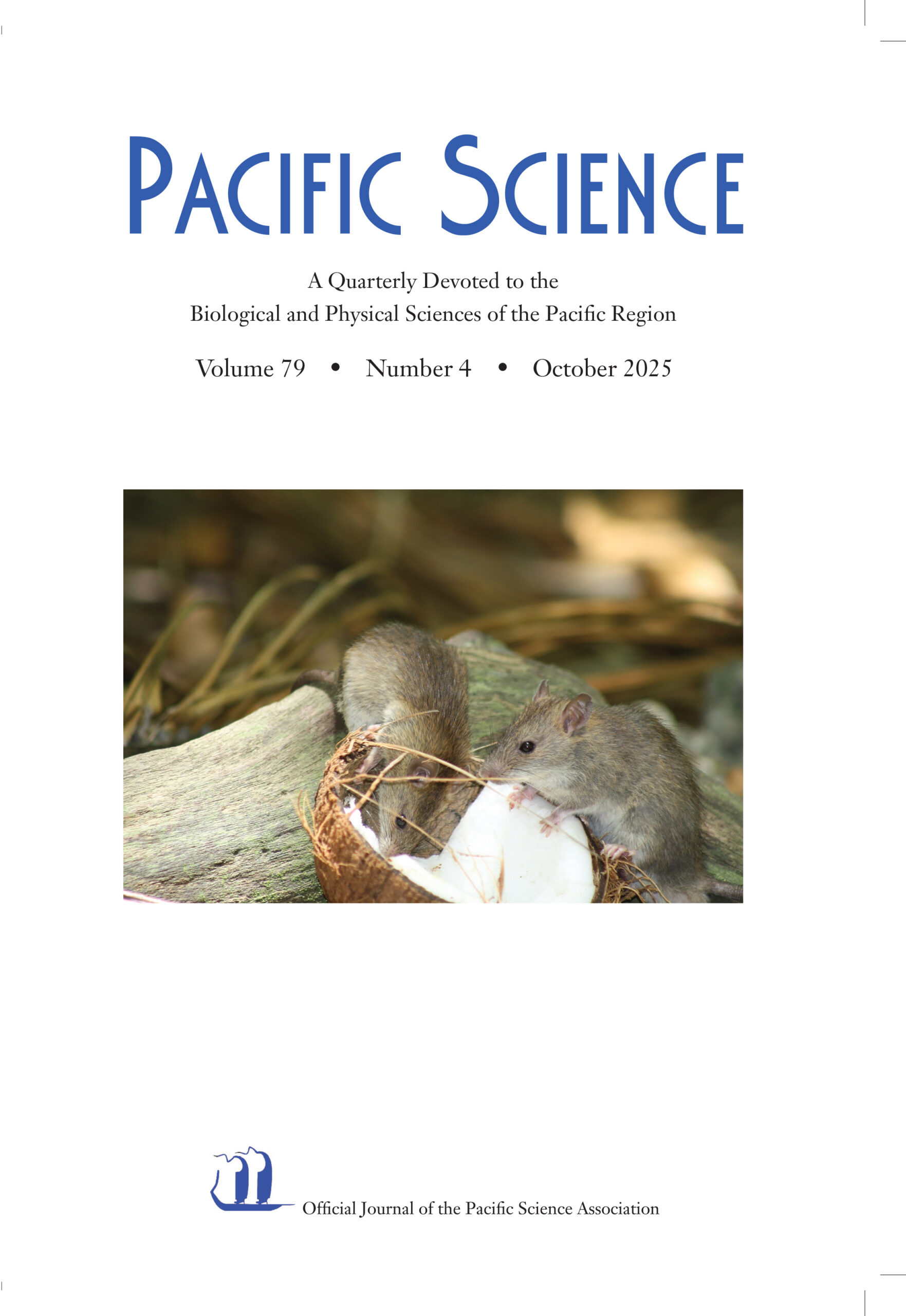
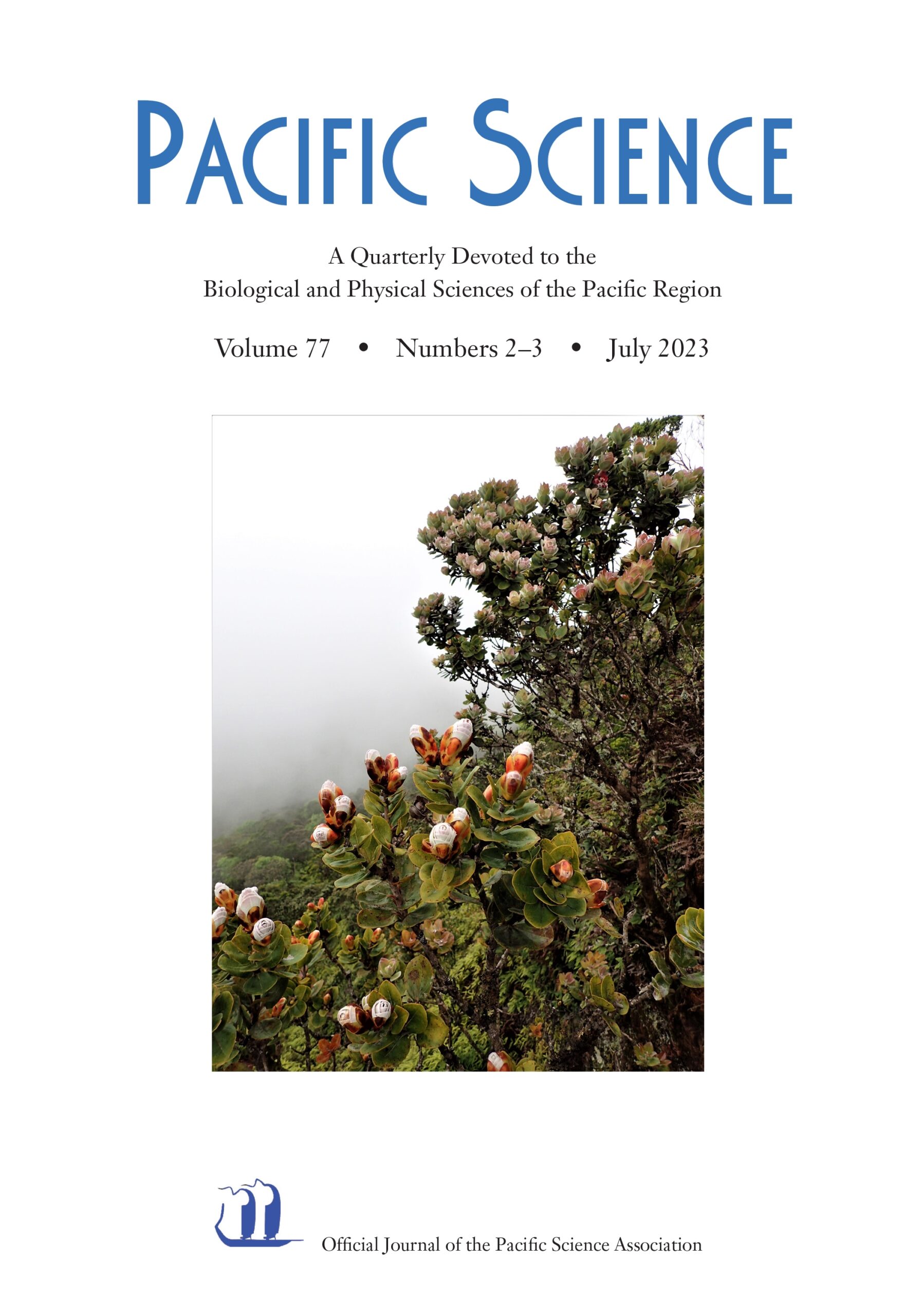
Pacific Science
Volume 79 Number 4 (2025)
We bid a fond farewell to David Duffy as he departs from his role of Editor in Chief at Pacific Science who shares these words:
Pacific Science will be publishing its 80th volume next year, so it has survived much and is likely to persist. A new editor will bring fresh ideas and stamina. We are lucky to have Steve Young taking over the next volume. He received his degree from the University of California, Davis, working on plant and soil interactions related to the restoration of arid grasslands in the western US. He has spent time at the University
of Nebraska, Cornell, Utah State University, and most recently the USDA before taking a position at Oregon State about an hour north of me. I expect we will have future opportunities to get together to exchange war stories about editing this journal. I will leave it to him in the next issue to share his hopes and aspirations for
Pacific Science. “Be well, do good work, and keep in touch.”—Garrison Keillor
Find research articles and more at Project MUSE.
Philosophy East and West
Volume 76, Number 2 (2026)
The Confucian Perspective on Friendship: Healing from Trauma, Moral Disruption, and Disconnection
Mark Kevin S. Cabural
Guo Xiang’s Value Monism
Jason Dockstader
Intelligibility or Meaning: Zhu Xi and Wang Yangming on Cosmic Life
Timo Ennen
What Is an Emotion? An Early Chinese Perspective in the Xing Zi Ming Chu
Wenqing Zhao
Find these articles, reviews, and more at Project MUSE.