




Hawai‘i Studies on Korea
Published jointly by the Center for Korean Studies
and the University of Hawai‘i Press
The Center for Korean Studies was established in 1972 to coordinate and develop the resources for the study of Korea at the University of Hawai‘i. Reflecting the diversity of the academic disciplines represented by affiliated members of the University faculty, the Center seeks especially to promote interdisciplinary and intercultural studies. Hawai‘i Studies on Korea, published jointly by the Center for Korean Studies and the University of Hawai‘i Press, offers a forum for research in the social sciences and humanities pertaining to Korea and its people.
Showing 1–16 of 28 results
-

Aesthetics of Abandonment: Literary and Visual Culture of Early South Korea
-
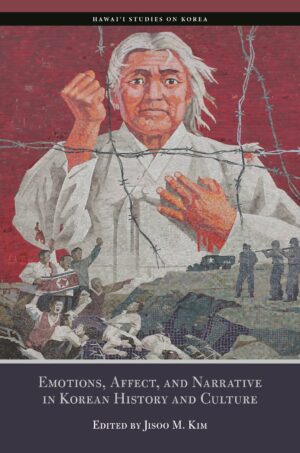
Emotions, Affect, and Narrative in Korean History and Culture
-

Beyond the Sewol: Activist Theatre and Performance in South Korea and the Diaspora
-

Dawn of Labor
-

Moral Authoritarianism: Neighborhood Associations in the Three Koreas, 1931–1972
-

The Red Decades: Communism as Movement and Culture in Korea, 1919–1945
-

100°C: South Korea’s 1987 Democracy Movement
-

Flower of Capitalism: South Korean Advertising at a Crossroads
-

Between the Streets and the Assembly: Social Movements, Political Parties, and Democracy in Korea
-

Invented Traditions in North and South Korea
-

Surviving Imperial Intrigues: Korea’s Struggle for Neutrality amid Empires, 1882–1907
-

Imperatives of Care: Women and Medicine in Colonial Korea
-

Divorce in South Korea: Doing Gender and the Dynamics of Relationship Breakdown
-

Catholics and Anti-Catholicism in Chosŏn Korea
-

Death, Mourning, and the Afterlife in Korea: Ancient to Contemporary Times
-

Eastern Learning and the Heavenly Way: The Tonghak and Chondogyo Movements and the Twilight of Korean Independence