




Spatial Habitus: Making and Meaning in Asia’s Architecture
Series Editors
Ronald G. Knapp, SUNY Distinguished Professor Emeritus in Geography at the State University of New York at New Paltz, USA
Xing Ruan 阮昕, Dean and Guangqi Chair Professor of Architecture at School of Design, Shanghai Jiao Tong University, China
Editorial Advisory Board
Nezar Alsayyad, University of California-Berkeley, USA
Kazi Ashraf, Bengal Institute of Architecture, Landscapes and Settlements, Bangladesh
Han Pilwon, Hannam University, Korea
Puay-peng Ho, National University of Singapore
Liu Jie, Shanghai Jiao Tong University, China
Luo Deyin, Tsinghua University, China
David P.Y. Lung, University of Hong Kong and Chu Hi College, HKSAR
Nancy S. Steinhardt, University of Pennsylvania, USA
Marcel Vellinga, Oxford Brookes University, UK
Roxana Waterson, National University of Singapore
Zhao Chen, Nanjing University, China
Books in the Spatial Habitus series explore the socio-cultural, historical, and environmental factors that influence the structure and meaning of Asia’s architecture—the buildings, settlements, cities, and landscapes of more than half the world’s population. Drawing on the original research of established as well as younger scholars, the series—richly illustrated with photographs, line drawings, and maps—focuses on the ways in which various factors shape built forms and explores how meanings are transmitted through architecture. As the title Spatial Habitus suggests, the series emphasizes the interactive and meaningful relationship between people and their built world.
Disciplinary connection in aim and border-crossing in extent, Spatial Habitus: Making and Meaning in Asia’s Architecture presents syntheses, introduces new areas for investigation, and offers novel understandings of earlier scholarship. Encompassing research throughout Asia, the series produces work intended to provide lessons and inspiration for academics, architects, planners, and citizens as they construe and construct future built environments.
Interested scholars may submit queries and proposals to the series editors (see above).
Showing all 14 results
-

Dougong: The Cultural Geometry of the Chinese Bracket Set
-
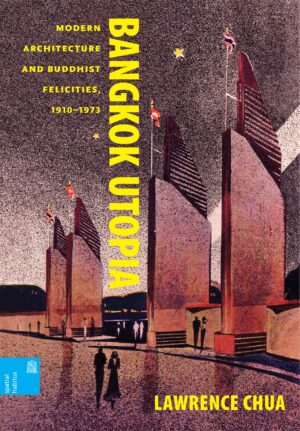
Bangkok Utopia: Modern Architecture and Buddhist Felicities, 1910–1973
-
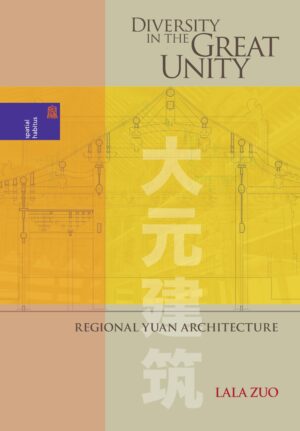
Diversity in the Great Unity: Regional Yuan Architecture
-
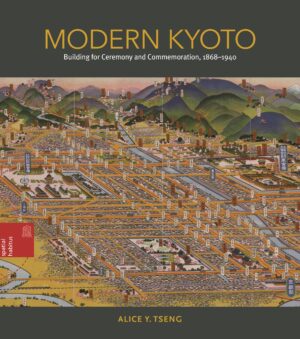
Modern Kyoto: Building for Ceremony and Commemoration, 1868–1940
-

Kyoto: An Urban History of Japan’s Premodern Capital
-
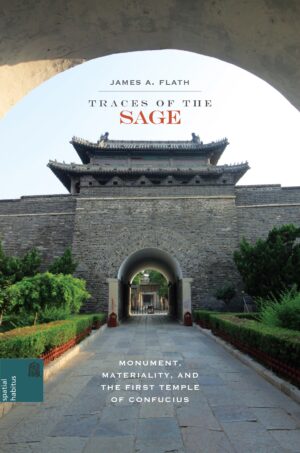
Traces of the Sage: Monument, Materiality, and the First Temple of Confucius
-
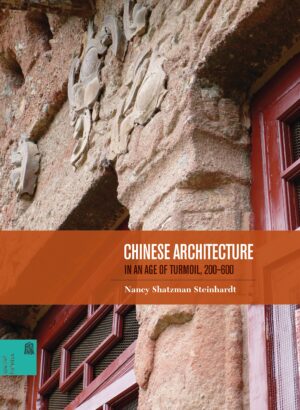
Chinese Architecture in an Age of Turmoil, 200-600
-
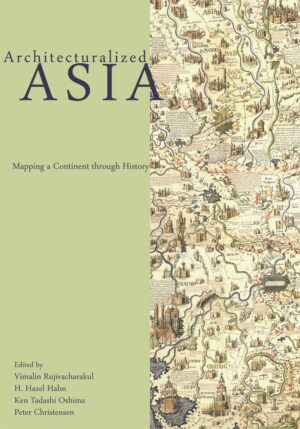
Architecturalized Asia: Mapping a Continent through History
-
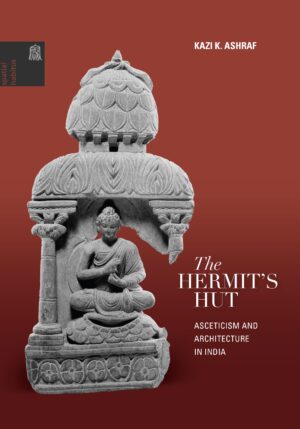
The Hermit’s Hut: Architecture and Asceticism in India
-

Architecture and Urbanism in Modern Korea
-
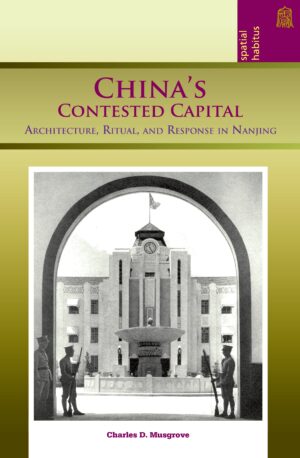
China’s Contested Capital: Architecture, Ritual, and Response in Nanjing
-
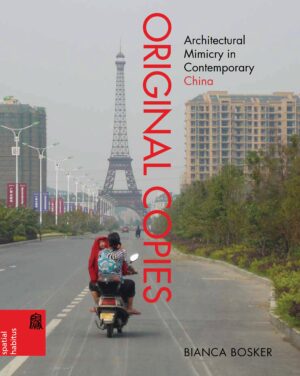
Original Copies: Architectural Mimicry in Contemporary China
-
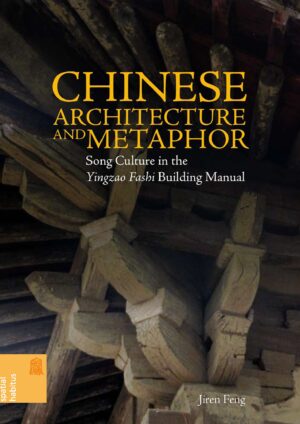
Chinese Architecture and Metaphor: Song Culture in the Yingzao Fashi Building Manual
-
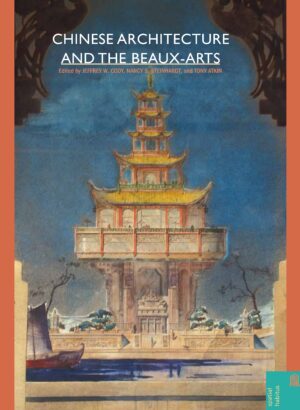
Chinese Architecture and the Beaux-Arts